
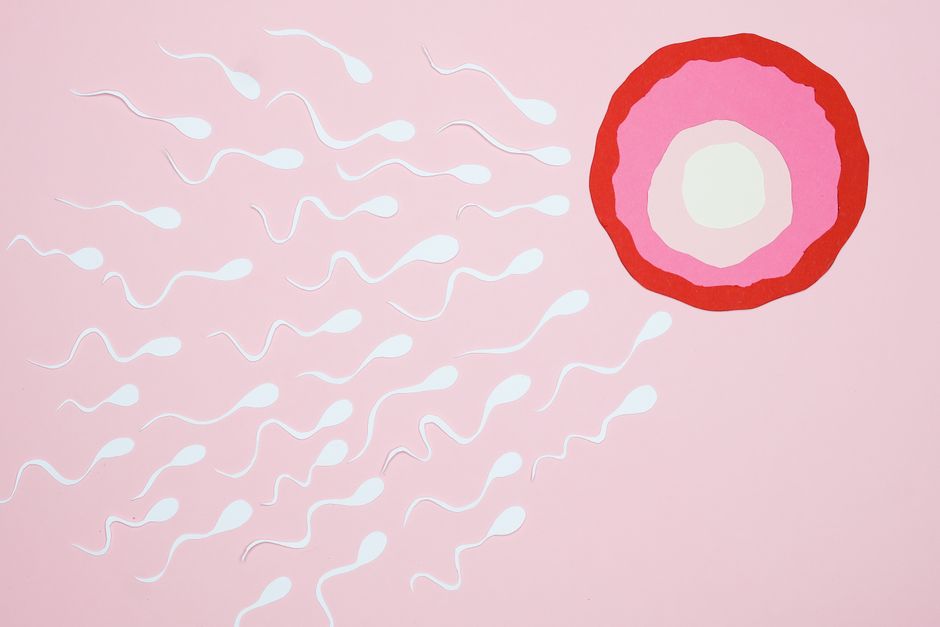
If you are trying to conceive, the single most important factor is knowing when you ovulate. Ovulation is the release of an egg from your ovary. Without it, pregnancy cannot happen. Many women ovulate irregularly or not at all due to stress, weight issues, or hormonal imbalances. The good news is that lifestyle changes and diet adjustments can help restore regular cycles for many women. This article explains what the evidence actually says about increasing your chances of ovulation naturally.
What Causes Irregular Ovulation?
Irregular ovulation is more common than most people realize. The most frequent cause is Polycystic Ovary Syndrome (PCOS), which affects up to 12% of women of reproductive age, according to the CDC. PCOS creates a hormonal imbalance where the body produces too much androgen, which stops eggs from maturing and releasing.
Other causes include thyroid disorders, high prolactin levels, extreme exercise, and significant weight changes. Being underweight or overweight by even 10 to 15 pounds can disrupt the delicate hormone signals that trigger ovulation. Stress also plays a real role. When your body is under chronic stress, it produces cortisol, which can suppress the reproductive hormones needed for ovulation.
Age matters too. Fertility starts declining in the early 30s and drops more sharply after age 37. This is because the number and quality of eggs decrease over time. No natural method can reverse that decline, but lifestyle changes can still improve the chances of ovulating regularly.
How To Increase Your Chances Of Ovulation Naturally With Diet
Diet is one of the most powerful tools you have. Research published in the journal Human Reproduction Update found that women who followed a diet low in refined carbs and high in fiber had more regular ovulation. The key is stabilizing blood sugar. When blood sugar spikes, the body releases extra insulin. High insulin levels can trigger the ovaries to produce more testosterone, which stops ovulation.
Aim for whole foods. Vegetables, lean proteins, healthy fats like olive oil and avocados, and complex carbs like quinoa and oats. One study from Harvard found that replacing just one serving of animal protein with vegetable protein per day lowered the risk of ovulatory infertility by more than 50%. That is a big number from a well-regarded source.
Dairy is a mixed topic. Some research suggests full-fat dairy may be better for ovulation than skim or low-fat. The Nurses’ Health Study found that women who ate one serving of full-fat dairy daily had lower rates of ovulatory infertility compared to those who avoided it. The reason is not fully understood, but it may relate to how fat affects hormone levels.
| Food Type | What To Eat | What To Limit |
|---|---|---|
| Carbohydrates | Whole grains, beans, vegetables | White bread, pasta, sugary drinks |
| Protein | Beans, lentils, tofu, fish | Red meat, processed meats |
| Fats | Olive oil, avocado, nuts | Trans fats, fried foods |
| Dairy | Full-fat yogurt, whole milk | Skim milk, low-fat cheese |
Does Weight Affect Ovulation?
Yes, directly. Body fat produces estrogen. Too little body fat and your estrogen levels drop too low to trigger ovulation. Too much body fat and your estrogen stays high, which also stops ovulation. The body needs a specific balance.
Research from the American Society for Reproductive Medicine shows that losing just 5% to 10% of body weight can restore ovulation in many overweight women with PCOS. For a 200-pound woman, that is a 10- to 20-pound loss. This is not about crash dieting. Slow, steady weight loss through diet and exercise is what works.
For underweight women, gaining weight is equally important. A body mass index (BMI) below 18.5 is linked to irregular cycles. Gaining just a few pounds can restart ovulation. The goal is a BMI in the normal range of 18.5 to 24.9.
Exercise matters but moderation is key. Moderate exercise like brisk walking for 30 minutes a day improves insulin sensitivity and hormone balance. But intense exercise for more than an hour daily can suppress ovulation in some women. Listen to your body. If your periods become irregular after starting a new workout routine, scale back.




What Supplements Actually Help Ovulation?
Some supplements have solid evidence behind them. Inositol is one. This is a natural compound found in fruits and grains. Research published in Endocrine Reviews found that myo-inositol and D-chiro-inositol can improve ovulation rates in women with PCOS. The typical dose is 2 to 4 grams daily. It works by improving how the body uses insulin.
Coenzyme Q10 (CoQ10) is another. As women age, egg quality declines partly due to reduced energy production in cells. A 2018 study in Reproductive Biology and Endocrinology found that CoQ10 supplementation improved ovarian response in women over 35. The evidence is moderate but promising.
Vitamin D is worth checking. A 2021 study in the Journal of Clinical Endocrinology & Metabolism found that women with sufficient vitamin D levels were more likely to ovulate regularly. A simple blood test can tell you if you are deficient. If you are, supplementing 1,000 to 2,000 IU daily is standard.
- Inositol: Best for PCOS, improves insulin sensitivity.
- CoQ10: May help egg quality in women over 35.
- Vitamin D: Supports overall hormone balance.
- Zinc: Some evidence for improving ovulation in women with low zinc levels.
Be careful with herbs. Vitex (chasteberry) is widely claimed to boost ovulation, but strong evidence is limited. Some women report positive effects, but clinical trials show mixed results. It may work for mild hormone imbalances but not for conditions like PCOS. Always talk to your doctor before starting any supplement, especially if you are trying to conceive.
Does Stress Really Block Ovulation?
Yes. The hypothalamic-pituitary-ovarian (HPO) axis is the brain’s communication line to your ovaries. When you are stressed, your brain prioritizes survival over reproduction. It releases cortisol, which suppresses the hormones that trigger ovulation. This is called functional hypothalamic amenorrhea, and it is a common cause of missing periods in women who are otherwise healthy.
A 2019 study in Fertility and Sterility followed women with high stress levels and found that those who practiced mindfulness-based stress reduction had higher ovulation rates after three months compared to a control group. The difference was significant enough that the researchers recommended stress management as a first-line treatment for irregular cycles.
Simple practices help. Ten minutes of deep breathing daily, limiting caffeine after noon, and getting seven to eight hours of sleep each night. Sleep is especially important because it regulates cortisol and melatonin, both of which affect reproductive hormones.
Some people report that acupuncture helps with ovulation. Evidence indicates it may reduce stress and improve blood flow to the ovaries. A 2022 review in BMJ Open found a small but consistent benefit for ovulation rates in women with PCOS. It is not a guarantee, but it is low-risk and may help.
What Common Myths About Ovulation Should You Ignore?
One of the most persistent myths is that you can “time” ovulation perfectly by counting days. Many women believe ovulation always happens on day 14 of a 28-day cycle. That is only true for some women. Cycles vary. Ovulation can happen anywhere from day 10 to day 20. Counting days alone is not reliable.
Another myth is that certain foods like pineapple or green tea can boost ovulation. There is no clinical evidence that any specific food triggers ovulation. Eating a balanced diet helps overall health, but no single food is a magic bullet. Be wary of any claim that promises a quick fix.
The idea that you need to have sex every day to conceive is also misleading. Sperm can live in the reproductive tract for up to five days. Having sex every other day during your fertile window is just as effective and reduces pressure. The fertile window is the five days before ovulation plus the day of ovulation itself.
As of 2026, there is no clinical evidence that ovulation predictor kits increase your chances of conceiving. They can help you identify your fertile window, but they do not improve ovulation itself. They are a tool for timing, not a treatment for irregular cycles.
Frequently Asked Questions
How long does it take to regulate ovulation naturally?
Most women see improvements within three to six months of consistent diet and lifestyle changes. Some may see changes sooner if the main issue is weight or stress.
Can you ovulate without having a period?
Yes, it is possible but rare. Some women ovulate before their first postpartum period or during irregular cycles. However, most women who do not have periods are not ovulating.
Does cinnamon help with ovulation?
Some small studies suggest cinnamon may improve insulin sensitivity in women with PCOS, but strong evidence is limited. It is not a proven treatment for ovulation.
What is the best ovulation test for irregular cycles?
For irregular cycles, use a test that tracks both luteinizing hormone (LH) and estrogen. Clearblue Advanced Digital is one option, but no test is perfect for everyone.
