
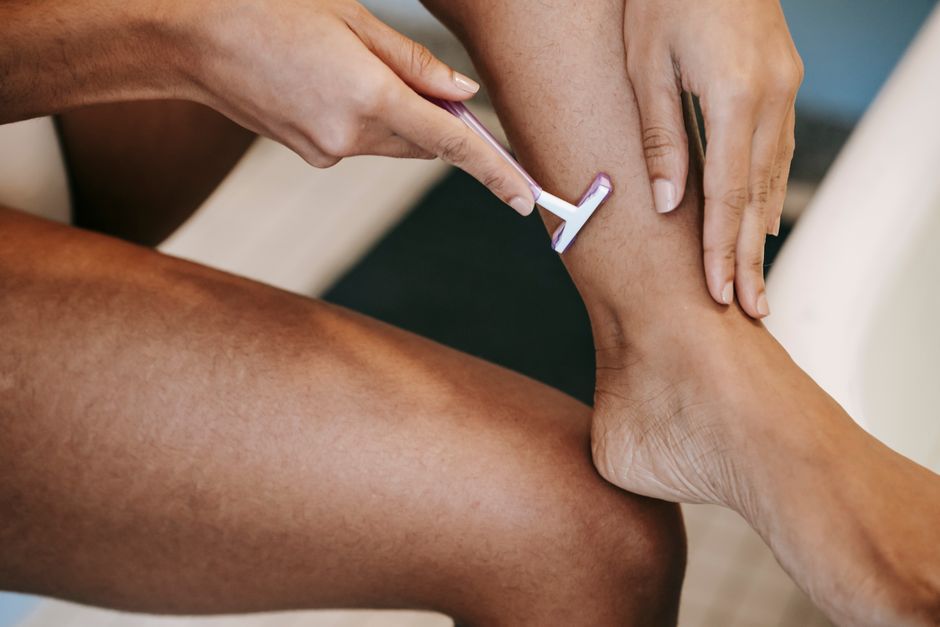
Small varicose veins and spider veins can’t be removed with exercise, creams, or home remedies, and no pill currently on the market eliminates them. The only proven ways to physically remove them are clinical procedures performed by a doctor: sclerotherapy, laser or light-based treatment, microphlebectomy, or radiofrequency ablation for larger feeder veins. Everything else — compression, elevation, weight management — helps manage symptoms and may slow progression, but does not erase the veins themselves.
What Is the Difference Between Small Varicose Veins and Spider Veins?
They involve the same underlying problem at different sizes. Spider veins (telangiectasias) are tiny, less than about 1 millimeter across, and sit near the skin surface. They look like red, blue, or purple webs. Small varicose veins are larger, often 1 to 3 millimeters, and may bulge slightly or feel ropey under the skin.
Both are dilated superficial veins. The difference is mostly depth and diameter, and that difference determines which treatment works best.
The root cause is usually venous insufficiency. Veins in the legs carry blood upward against gravity. Tiny one-way valves inside the vein keep blood from falling back down. When those valves weaken or the vein wall loses elasticity, blood pools. The vein stretches and becomes visible.
This is why varicose veins appear most often on the thighs, calves, and ankles. Those areas carry the most gravitational load.
Genetics matter a lot. If a parent had varicose veins, your risk is higher. Pregnancy, prolonged standing, older age, and obesity are also associated with higher risk. Hormonal changes are thought to play a role, which is one reason these veins are more common in women.
Can Small Varicose Veins Go Away on Their Own?
No. Once a vein has dilated and its valves have failed, it does not return to normal on its own. This is one of the most persistent myths about vein disease.
Some people notice improvement after pregnancy or after losing weight, and symptoms like aching or heaviness often ease. But the visible vein usually remains or returns. The underlying valve damage does not reverse.
That said, small veins often stay stable for years. Not everyone who has them will progress to larger varicose veins. Progression is variable and hard to predict for any one person.
What you can influence is symptom burden. Compression stockings, elevating the legs, avoiding long periods of standing still, and staying physically active can reduce discomfort. None of these remove the vein.
What Actually Removes Small Varicose Veins? (Step by Step)
Removal happens in a clinic or doctor’s office. Here is the general sequence most patients go through.
Step 1: Evaluation. A doctor examines your legs, usually while you stand, and asks about symptoms. Many will order a duplex ultrasound. This painless test uses sound waves to map blood flow and check whether deeper veins are involved. Skipping this step can lead to treating the wrong vein, or missing a bigger problem underneath.
Step 2: Choosing a method. The right procedure depends on vein size, location, and whether underlying venous insufficiency is present.
- Sclerotherapy — a liquid or foam solution is injected into the vein, irritating the lining so the vein closes and fades over weeks. This is the standard treatment for spider veins and small varicose veins.
- Laser and intense pulsed light (IPL) — light energy heats and destroys small surface veins. Best for tiny veins, especially those too small to inject.
- Microphlebectomy — tiny punctures are used to pull out small bulging veins. Often done alongside other treatments.
- Endovenous ablation — heat or laser closes a larger faulty vein. Used when a bigger feeder vein is feeding the small surface veins.
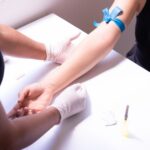
Step 3: The procedure itself. Most of these take under an hour. Sclerotherapy involves a series of small injections. Laser treatment feels like a quick snap against the skin. Many people return to normal activity the same day.
Step 4: Aftercare. You will usually be asked to wear compression stockings for a period afterward. Walking is encouraged. Heavy exercise and long periods of standing are typically limited for a short time. Your doctor will give specific instructions.
Step 5: Follow-up. Results appear gradually. Small veins often fade over several weeks. More than one session is common. Many people need two to four treatments spaced weeks apart, depending on how many veins are being addressed.
One clarification worth knowing: treating a small surface vein without addressing a larger faulty vein beneath it often leads to recurrence. This is why the ultrasound step matters.



Does Sclerotherapy Really Work for Small Veins?
Yes, for the right veins. Sclerotherapy is widely used and has been studied for decades. It is generally considered the first-line treatment for spider veins and small varicose veins.
Results are not instant and not always complete. Some veins fade significantly. Others need repeat sessions. A smaller number may not respond well or may return over time.
Side effects are usually mild and temporary. These can include bruising, redness, and small dark marks at the injection site. Less common issues include skin ulcers or tiny broken capillaries near the treated area. Rare but serious complications like blood clots have been reported.
Who should not have it? People who are pregnant, breastfeeding, or have certain clotting disorders are often advised to wait or avoid it. If you have a history of blood clots or are on blood thinners, this needs a conversation with your doctor first. No clinical guidelines recommend sclerotherapy during pregnancy.
Are Creams and Supplements a Real Option?
No. This is where most online claims fall apart.
There is no topical cream that removes a varicose vein. Some creams contain ingredients that may temporarily soothe or reduce the appearance of redness, but they do not close, shrink, or eliminate the vein. No study has confirmed that any over-the-counter vein cream removes varicose veins.
Supplements marketed for vein health — horse chestnut, butcher’s broom, and others — have some limited research behind them for symptom relief, mainly swelling and heaviness. The evidence is mixed and the studies are often small. None of them remove veins.
If a product claims to “dissolve” or “eliminate” varicose veins without a procedure, that claim is not supported by clinical evidence.
When Should You See a Doctor About Small Varicose Veins?
Small veins that cause no symptoms are usually not urgent. Many people choose to treat them for cosmetic reasons, and that is a valid reason on its own.
See a doctor if you notice any of the following:
- Pain, aching, or heaviness in the legs that affects daily life
- Swelling in the ankles or feet
- Skin changes — discoloration, dryness, or thickening near the ankle
- A vein that becomes hard, hot, red, or very tender
- Bleeding from a vein
- Sores or ulcers on the leg that do not heal
Those last few can signal a clot or more advanced vein disease and need prompt evaluation. A vein that is suddenly painful, warm, and swollen should not wait.
Some people with small surface veins also have significant underlying venous insufficiency and do not know it. That is another reason a proper evaluation matters before any cosmetic treatment.
Can You Prevent Small Varicose Veins From Getting Worse?
You cannot prevent the genetic and age-related factors. You can reduce some of the pressure on your leg veins.
Regular walking and calf exercises help push blood upward. Avoiding long periods of standing still or sitting without movement helps. Elevating your legs above heart level for short periods can ease swelling. Maintaining a healthy weight reduces pressure on the veins.
Compression stockings are commonly recommended and can reduce symptoms for many people. The evidence for preventing new veins from forming is limited. They are more reliable for symptom control than prevention.
None of these measures remove existing veins. They are management tools, not cures.
Frequently Asked Questions
Can small varicose veins go away without treatment?
No, they do not resolve on their own once the vein has dilated and its valves have failed. Symptoms may improve with lifestyle changes, but the visible vein usually remains.
What is the most common treatment for small varicose veins?
Sclerotherapy is generally considered the first-line treatment for spider veins and small varicose veins. Laser or light-based therapy is often used for very small surface veins.
How long does it take to see results after sclerotherapy?
Fading usually happens gradually over several weeks, and multiple sessions are often needed. Your doctor can give you a realistic timeline based on your specific veins.
Do vein creams or supplements actually remove varicose veins?
No. No cream or supplement has been shown to remove varicose veins, and any product claiming to do so is not supported by clinical evidence.
