
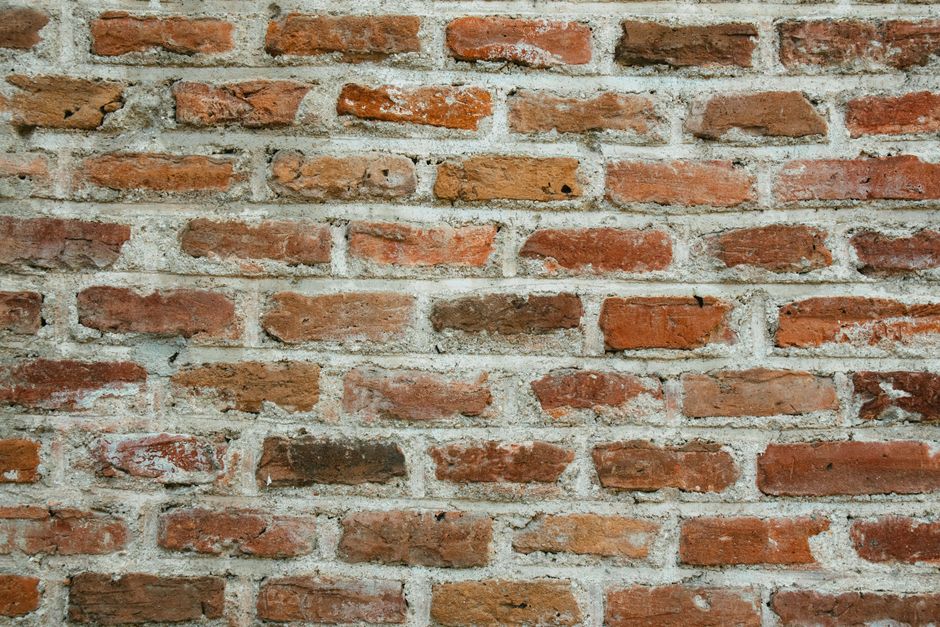
Mortar removal comes down to two things: what the mortar is made of, and what surface it is stuck to. Fresh mortar can often be scrubbed off with water and a stiff brush. Hardened cement-based mortar needs a chemical or mechanical approach matched to the surface. Brick, natural stone, and ceramic tile each tolerate different methods. Choose wrong and you can permanently scar the surface you were trying to clean.
This guide covers what actually works on each material, what to avoid, and why the safest method is usually the slowest one.
Why Mortar Bonds So Strongly to Masonry
Mortar is not glue. It is a cementitious material that cures through a chemical reaction called hydration. When water mixes with Portland cement, it forms calcium silicate hydrate crystals that grow into and around the microscopic pores of whatever surface it touches.
This is why mortar does not simply sit on top of brick or stone. It mechanically interlocks with the surface texture at a microscopic level. The rougher and more porous the material, the deeper that interlock goes.
That same porosity that makes brick and natural stone beautiful also makes them vulnerable. Aggressive removal methods can open pores, stain the surface, or break down the material itself.
How To Remove Mortar From Brick Tile And Stone
The right method depends on three factors: how old the mortar is, what type of mortar it is, and what surface it sits on.
Fresh Mortar (Still Workable)
If the mortar has not fully cured, removal is straightforward. Scrape off the bulk with a plastic scraper or wooden stick. Then scrub the residue with a stiff nylon brush and clean water. Change the water frequently so you are not spreading dissolved cement back onto the surface.
Do not let fresh mortar sit. Once it begins to set, the window closes fast.
Hardened Cement Mortar
Once cured, cement mortar requires either chemical dissolution or mechanical removal. There is no shortcut that is both fast and safe for the underlying surface.
Chemical removers formulated for masonry are typically acidic. They work by breaking down the calcium compounds in the cement. These products can be effective on tile and some stone, but they carry real risks.
- Acid can etch or dull natural stone, especially limestone, travertine, and marble.
- Acid can damage the glaze on some ceramic tiles.
- Fumes require ventilation and skin and eye protection.
- Runoff can harm plants and surfaces below.
Mechanical removal uses physical force. Options range from hand tools to power equipment.
- A plastic or wooden scraper removes small amounts without scratching.
- A stiff brush works for residue and thin films.
- A grinder with a diamond blade or wire cup brush removes thick mortar but can gouge brick and stone.
- Chisels and hammers work for large deposits but risk chipping edges.
The core principle: start with the least aggressive method that could work. Move up only if needed.
What Works on Brick Specifically
Brick is fired clay. Its surface is hard, but its edges chip easily and its face can be scratched by metal tools.
For light mortar haze on brick, a stiff nylon brush and water often do the job. For heavier deposits, a wooden scraper or plastic putty knife can lift material without cutting into the brick face.
Acid-based masonry cleaners are commonly used on brick. They can be effective, but they also risk discoloring the brick and damaging surrounding mortar joints. Many professionals prefer to test any chemical on a small hidden area first.
One point often missed: the mortar joint between bricks is softer than the brick itself. Aggressive scraping or grinding near joints can erode the joint, which weakens the wall over time.





What Works on Natural Stone
Natural stone is the most unforgiving surface for mortar removal. Stone varies widely in hardness and porosity. Granite is hard and relatively acid-resistant. Limestone, travertine, and marble are soft and react with acid.
On acid-sensitive stone, acidic removers can cause etching, pitting, and permanent dulling. This damage cannot be polished out easily and may require professional refinishing.
For these surfaces, mechanical removal with plastic tools and gentle brushing is generally safer. Some stone care professionals use poultices or specialized alkaline cleaners, but results vary by stone type.
If you are unsure what type of stone you have, test any method on an inconspicuous area first. This is not optional advice. It is the difference between a clean surface and a ruined one.
What Works on Ceramic and Porcelain Tile
Glazed ceramic and porcelain tile are more forgiving than natural stone. The glaze provides a non-porous barrier that resists acid and staining.
On glazed tile, a plastic scraper and warm water handle most fresh mortar. For cured mortar, a commercial tile and grout cleaner or a diluted acid product can work. The glaze protects the tile body from the acid, though prolonged exposure can still dull some finishes.
Unglazed tile and quarry tile are more porous. They behave more like brick and require gentler methods.
Grout lines are the weak point on any tiled surface. They are cement-based and softer than the tile. Scrubbing too hard can erode them, leading to loose tiles and water damage down the road.
Tools and Safety
Mortar removal involves sharp tools, dust, and often chemicals. Safety is not optional.
- Wear safety glasses or goggles. Chips and dust fly.
- Use nitrile gloves when handling chemical removers.
- Wear a dust mask when grinding or chipping dry mortar.
- Work in ventilated areas when using acid products.
- Protect nearby surfaces with plastic sheeting.
- Have clean water available for immediate rinsing of skin or eyes.
If you are using any chemical product, follow the manufacturer’s instructions exactly. Do not mix products. Acid plus certain cleaners can create dangerous fumes.
When To Call a Professional
Some jobs are not DIY-friendly. Call a professional if:
- The surface is valuable natural stone like marble or limestone.
- The mortar covers a large area.
- The mortar is thick and fully cured.
- You are working on a historic or structural wall.
- You have already tried a method and caused damage.
Professionals have access to specialized equipment like media blasting and poultice systems. They also carry liability insurance if something goes wrong. For expensive or irreplaceable surfaces, that matters.
Methods To Avoid
Some approaches cause more harm than good. Skip these.
- High-pressure washing on brick or soft stone. It can erode mortar joints and force water into the wall.
- Metal wire brushes on soft stone. They leave permanent scratch marks.
- Undiluted muriatic acid on natural stone. It can destroy the surface.
- Chisels on glazed tile. The glaze chips easily and cannot be repaired.
- Sanding or grinding dry without dust control. Silica dust from mortar is a health hazard.
Silica dust deserves special mention. Crystalline silica is present in cement and mortar. Breathing it can cause silicosis, a serious lung disease. Wet methods or proper dust extraction are essential when grinding or cutting.
Prevention: Keeping Mortar Off in the First Place
The best removal method is not needing one. If you are doing masonry or tiling work, take steps to prevent mortar from bonding where you do not want it.
- Seal porous surfaces before starting work. A penetrating sealer makes cleanup easier.
- Wipe fresh mortar immediately with a damp sponge.
- Use masking tape or plastic sheeting to protect adjacent surfaces.
- Do not let mortar sit overnight on any surface you care about.
Once mortar cures, the difficulty increases dramatically. Time is your best tool.
Frequently Asked Questions
Can I use vinegar to remove mortar from brick?
Vinegar is a weak acid and may soften very thin mortar haze, but it is generally not strong enough for cured cement mortar. It is safer on acid-sensitive stone than stronger acids, but it is also less effective.
Does muriatic acid damage brick?
Muriatic acid can discolor brick and erode mortar joints if used incorrectly. It is commonly used in masonry work, but it requires careful dilution, ventilation, and testing on a small area first.
How do I remove mortar from tile without scratching it?
Use a plastic scraper or wooden stick to lift the bulk of the mortar, then scrub with a stiff nylon brush and warm water. Avoid metal tools, which can scratch glaze and stone.
Is it safe to grind mortar off stone?
Grinding generates silica dust, which is a serious health hazard if inhaled. If grinding is necessary, use wet methods or dust extraction and wear a respirator rated for silica.
