
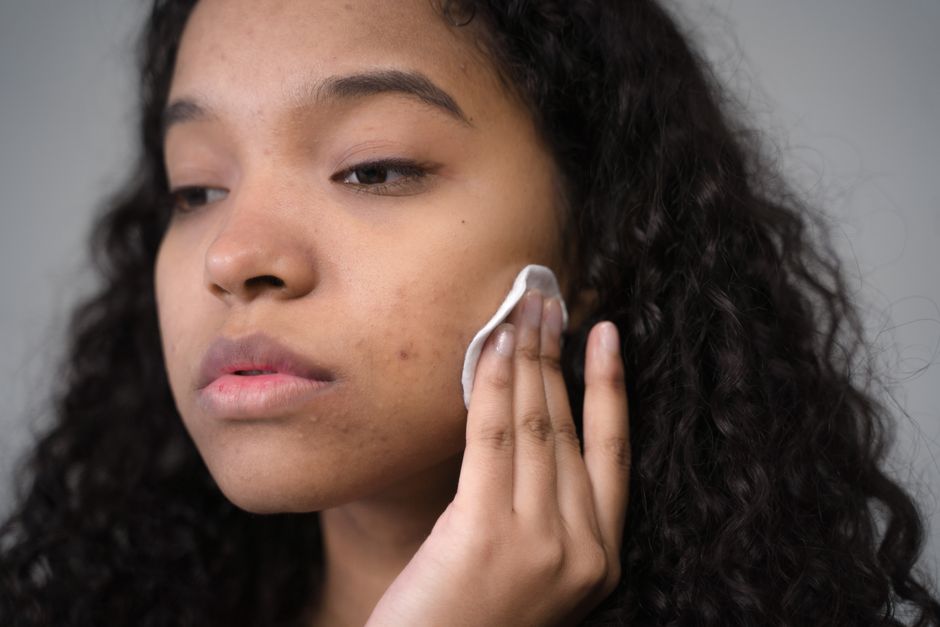
Dark spots on the arms and legs usually come from one of a few causes: sun exposure, healed injuries, friction, or a skin condition called melasma. No cream removes them overnight, but some treatments do fade them faster than others. The fastest results generally come from combining sun protection with a dermatologist-guided treatment plan.
What Causes Dark Spots On Arms And Legs?
Dark spots form when skin cells called melanocytes produce extra melanin, the pigment that gives skin its color. That extra pigment gets deposited into the upper layers of skin, creating a visible patch that is darker than the surrounding area.
The trigger behind that pigment surge varies. Sun exposure is the most common cause on the arms and legs because these areas are often uncovered. Ultraviolet light damages skin cells and signals melanocytes to ramp up pigment production as a protective response. Over years, this shows up as sun spots, also called solar lentigines.
Inflammation is another major driver. Any injury to the skin — a scrape, an insect bite, a burn, acne, or even a surgical scar — can leave behind a dark mark after it heals. This is called post-inflammatory hyperpigmentation. It is especially common in people with medium to dark skin tones.
Friction and pressure play a role too. Repeated rubbing from clothing, shaving, or skin folds can trigger pigment changes, particularly on the legs and underarms. Melasma, a hormonal pigment condition, can appear on the arms in some people, though it is far more common on the face.
Some dark spots are not pigment at all. They can be signs of other skin conditions, including fungal infections or, rarely, skin cancer. This is why a spot that is changing, bleeding, itching, or irregular in shape should be checked by a doctor rather than treated at home.
How To Remove Dark Spots On Arms And Legs Fast
The fastest realistic approach combines daily sun protection with active treatment, and it still takes weeks to months. No product erases pigment instantly. Anyone promising overnight results is selling something that does not work.
Here is what the evidence supports, from most to least effective for fading pigment.
Prescription-strength topical treatments. Hydroquinone is the most studied skin-lightening ingredient and is often considered the standard for hyperpigmentation. It works by blocking an enzyme involved in melanin production. In the United States, hydroquinone above 2 percent requires a prescription. It is typically used for limited periods under medical supervision because long-term use can cause side effects. Tretinoin, a prescription retinoid, speeds up skin cell turnover and can fade pigment over time. These are often combined with a mild corticosteroid in what clinicians call triple combination therapy, which some studies show is more effective than any single ingredient alone.
Over-the-counter actives. Ingredients like azelaic acid, niacinamide, kojic acid, glycolic acid, and vitamin C have some evidence for fading pigment, though generally less than prescription options. Azelaic acid in particular has reasonable supporting evidence and is available at prescription strength for some conditions. Results take consistent use over several weeks.
Procedures. Chemical peels, laser therapy, and intense pulsed light can speed up fading. These are performed by dermatologists and can produce faster results than topicals alone. They also carry real risks, including burns, scarring, and a rebound darkening called post-inflammatory hyperpigmentation — which is the opposite of what you want. Lasers that target pigment work best in certain skin types and can worsen things in others. This is not a do-it-yourself category.
Sun protection. This is not optional. Without it, everything else is undermined. Ultraviolet light keeps stimulating the same melanocytes you are trying to calm. Daily broad-spectrum sunscreen with an SPF of 30 or higher, plus clothing that covers the skin, is the foundation of any plan. Research consistently shows that sun protection improves outcomes for pigment conditions.
How Long Does It Take To Fade Dark Spots?
Realistic timelines are measured in weeks to months, not days. Post-inflammatory marks often fade on their own over several months, though this varies widely by skin tone and cause. Sun spots and melasma tend to persist without treatment and can return after fading if sun exposure continues.
With active treatment, some people notice gradual lightening within four to eight weeks. More noticeable change often takes three to six months of consistent use. Deeper pigment sits in lower skin layers and takes longer to clear than surface pigment.
Darker skin tones often take longer and are more prone to rebound darkening after procedures. This is a well-recognized pattern in dermatology, not a personal failing. It is one reason a dermatologist’s guidance matters more than a generic product recommendation.




Which Ingredients Actually Work?
Not every ingredient marketed for dark spots has solid evidence behind it. Here is a general breakdown of what research supports and what remains unproven.
| Ingredient | Evidence Level | Typical Access |
|---|---|---|
| Hydroquinone | Strong; considered a standard treatment | Prescription above 2 percent |
| Tretinoin | Good; supports cell turnover | Prescription |
| Azelaic acid | Moderate to good | OTC and prescription |
| Niacinamide | Moderate | OTC |
| Vitamin C | Moderate; also supports sun defense | OTC |
| Kojic acid, glycolic acid | Some evidence | OTC |
| Lemon juice, toothpaste, baking soda | No evidence; can irritate skin | Home remedies to avoid |
That last row matters. Home remedies like lemon juice are acidic and can burn or irritate skin, which can actually create more dark spots. There is no clinical evidence that these approaches fade pigment, and irritation is a documented risk.
What Makes Dark Spots Worse?
Several everyday habits slow fading or cause spots to return.
- Skipping sunscreen, which keeps melanocytes active and reverses progress
- Picking at or scratching healed areas, which triggers new inflammation and pigment
- Aggressive scrubbing or harsh exfoliation, which irritates skin
- Waxing or shaving over irritated areas, which adds friction
- Stopping treatment as soon as spots fade, before the underlying pigment has fully cleared
One point that surprises many people: treating the spot without protecting the whole area rarely works. Pigment cells across a wide region respond to sun, so a spot can darken again even if you were careful with the spot itself.
When Should You See A Doctor?
Most dark spots are harmless. Some are not, and the difference matters.
See a dermatologist if a spot is new, changing in size, shape, or color, has irregular borders, is more than one color, bleeds, itches, or does not heal. These features can suggest skin cancer, including melanoma, and should be evaluated rather than treated with a cream.
A doctor can also confirm the cause. Melasma, post-inflammatory hyperpigmentation, sun spots, and fungal conditions can look similar but respond to different treatments. Guessing wastes time and can make things worse.
For people with darker skin tones, or those with spots that have not improved after a few months of consistent over-the-counter treatment, a dermatologist can offer prescription options and procedures that are not available over the counter.
Frequently Asked Questions
Can dark spots on arms and legs go away on their own?
Some do, especially post-inflammatory marks from minor injuries, which often fade over several months. Sun spots and melasma usually persist without treatment and can return with continued sun exposure.
What is the fastest way to fade dark spots?
A combination of daily broad-spectrum sunscreen with SPF 30 or higher and a dermatologist-guided treatment plan is the most reliable approach. Prescription ingredients like hydroquinone and tretinoin generally work faster than over-the-counter options, but results still take weeks to months.
Do home remedies like lemon juice remove dark spots?
No clinical evidence supports them, and lemon juice can irritate or burn skin, which may create new dark spots. Proven treatment options are a safer path.
Are dark spots on arms and legs ever a sign of something serious?
Most are harmless pigment changes, but a spot that changes, bleeds, itches, or has irregular borders should be checked by a doctor. These features can be a sign of skin cancer and should not be treated at home.
