
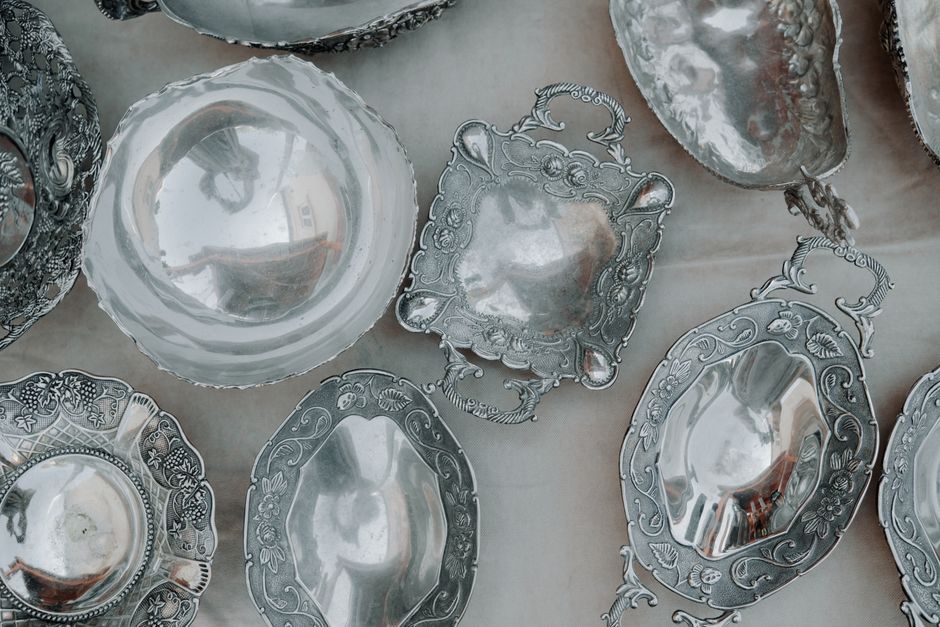
You can remove silver plating at home without acid using two main methods: mechanical abrasion or electrolysis with baking soda and water. Mechanical abrasion uses sandpaper or steel wool to physically wear away the thin silver layer. Electrolysis uses a low-voltage battery and a baking soda solution to dissolve the plating electrically. Both methods avoid harsh acids but still require careful handling to protect yourself and the underlying metal.
How To Remove Silver Plating With Mechanical Abrasion?
This is the simplest method. You rub the surface with sandpaper, a file, or steel wool until the silver layer wears off. Silver plating is very thin, so it does not take long. Start with fine-grit sandpaper (around 400 grit) to avoid deep scratches. If the plating does not come off, try a coarser grit (200 grit) and then finish with fine grit to smooth the surface.
Mechanical abrasion works best on flat surfaces. It removes the silver evenly but also removes a thin layer of the base metal underneath. The base metal is usually copper, brass, or nickel. You will see a color change when the silver is gone. This method leaves a scratched, matte finish that you may need to polish later. It is also dusty—wear a mask and do it outdoors or in a well-ventilated area.
How To Remove Silver Plating With Electrolysis?
Electrolysis uses electricity to move the silver off the item without scrubbing. You need a glass or plastic container, water, baking soda, a stainless steel or graphite electrode, and a low-voltage DC power source (like a 6-volt lantern battery or a phone charger with the tip cut off). Do not use a car battery—amperage is too high and dangerous.
Fill the container with water and add one tablespoon of baking soda per quart of water. Stir until dissolved. Connect the positive wire (anode) to the silver-plated item. Connect the negative wire (cathode) to the electrode. Place both in the solution without letting them touch. When you turn on the power, bubbles form on the electrodes. The silver slowly dissolves from the item and collects on the cathode. Remove the item after 5–10 minutes and check. Repeat until the base metal shows evenly.
This method is gentler on the base metal than sanding, but it does not remove heavy tarnish or thick plating quickly. It works best for thin decorative plating. The solution stays non-acid (mildly alkaline) and is safe on skin, but the electrical current can cause burns or shocks if you touch both electrodes at once. Always keep the power off when handling the item. Also, hydrogen gas forms at the cathode—do this in a ventilated area away from flames or sparks.
What Are The Risks And Precautions?
Both methods carry risks. Mechanical abrasion produces fine metal dust. Silver and base metal dust can irritate lungs and eyes. Wear a respirator or N95 mask, safety glasses, and gloves. Do not blow the dust into the air—wipe it up with a damp cloth.
Electrolysis risks include electric shock and hydrogen gas explosion. Use only low voltage (under 12 volts). Never use a household AC outlet directly—only use battery power or a low-voltage adapter. Hydrogen gas is odorless and flammable. Keep the setup away from pilot lights, cigarettes, or any ignition source. Work outside or in a garage with the door open.
There are no clinical or regulatory safety guidelines for home removal of silver plating. The methods described are common hobbyist practices, not verified by official organizations. You assume full responsibility for any damage to the item or injury to yourself. If the item has sentimental or monetary value, consider professional stripping or leaving the plating intact.





Alternatives To Acid Removal
If you want to remove plating without acid and without the physical work, some commercial strippers claim to be non-acid. Most contain ammonia or other alkalis. These are still caustic and require gloves and ventilation. Read the label carefully—many “non-acid” strippers still contain chemicals that can burn skin or damage base metals. No independent studies confirm they work better than home electrolysis or abrasion.
Professional electroplaters use cyanide-based solutions for stripping. These are extremely toxic and not for home use. Another alternative is to use a polishing cloth designed for silver. These cloths contain mild abrasives and chemicals that slowly wear away the plating with repeated rubbing. This is the most gentle method but takes a long time and works only on thin plating.
If your goal is to expose the base metal for a new finish, you might also consider having the item professionally replated or stripped. Costs vary but usually range from $20 to $50 for small items. For many people, leaving the silver plating intact and simply polishing it is the safest and most practical choice.
How To Tell When Silver Plating Is Fully Removed
Look for a uniform color change. Silver plating looks bright white or silvery gray. Base metals have distinct colors: brass is yellow-gold, copper is reddish-orange, nickel is slightly yellowish-white with a green tint. As you remove the plating, these colors appear in patches. Continue until the entire surface shows the base metal color.
With electrolysis, you can also check the cathode. Silver will collect on it as a dark gray or black powder. When the item stops producing bubbles or the cathode no longer accumulates powder, the plating is likely gone. For mechanical abrasion, you will see the base metal emerge as you sand. Be careful not to remove too much base metal—plating is usually less than 5 microns thick, so once the color changes, stop.
Can You Remove Silver Plating Without Damaging The Base Metal?
Not completely. Any removal method will affect the base metal to some degree. Mechanical abrasion removes base metal along with the silver. Electrolysis is more selective—it attacks the silver layer first because silver is more electrically reactive than copper or brass in solution. However, if you run the electrolysis too long, the base metal may start to corrode or darken. You can minimize damage by checking often and stopping as soon as the plating is gone.
If the base metal is nickel, it is resistant to the baking soda solution, so electrolysis is safer for nickel-plated under layers. If the base is copper, it may oxidize quickly once exposed. To prevent that, rinse the item with distilled water and dry it immediately after removal. Then apply a clear lacquer or a metal polish to protect the surface.
Frequently Asked Questions
Can you remove silver plating with baking soda?
Yes, you can use baking soda and water in an electrolysis setup to remove silver plating. The baking soda acts as an electrolyte that helps electric current dissolve the plating.
Does electrolysis damage the base metal?
Electrolysis can damage base metal if left too long, but it is gentler than sanding. Check every few minutes and stop when the base metal appears to minimize etching or corrosion.
Is it safe to remove silver plating at home?
Both methods have risks—dust inhalation, electric shock, or chemical burns. They are common hobbyist practices but not officially endorsed for safety. Use protective gear and work in a ventilated area.
What tools do I need to remove silver plating without acid?
For mechanical removal you need sandpaper or steel wool. For electrolysis you need a glass container, water, baking soda, a stainless steel electrode, and a low-voltage DC battery (6–12 volts).
