
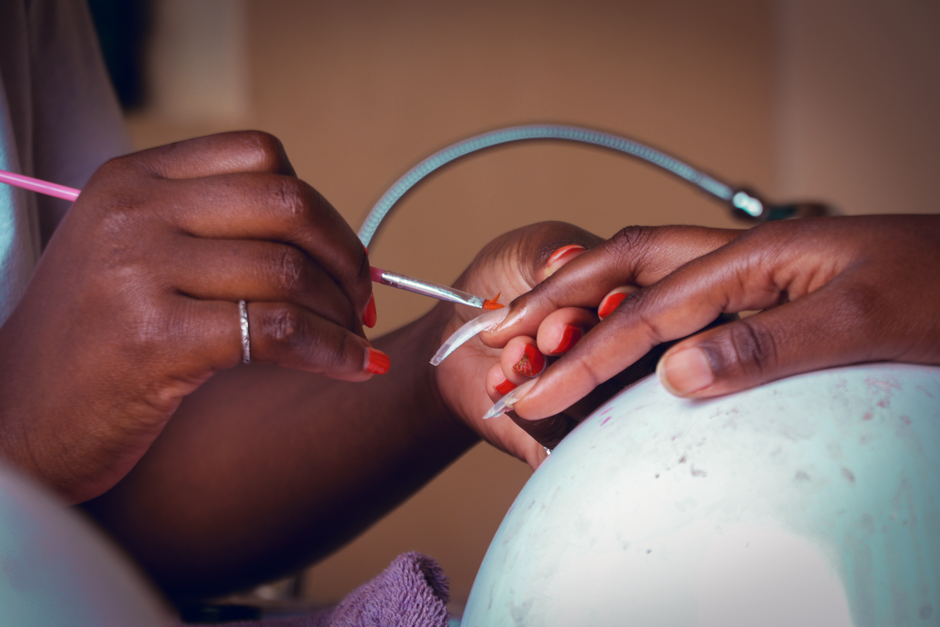
Gel nail polish is popular for its durability and shine, but removing it the wrong way can damage your nails. The safest way to take off gel nails is to file off the top layer, then soak the nails in pure acetone for 10 to 15 minutes, and gently push off the softened gel with a wooden cuticle stick. Never pick, peel, or pry the gel off — that removes layers of your natural nail with it.
What Makes Gel Nail Polish Different From Regular Polish?
Gel polish is not the same as regular nail lacquer. It contains photoinitiators that harden when exposed to UV or LED light. This chemical curing creates a hard, plastic-like coating that bonds strongly to the nail plate. Regular nail polish removers — which usually contain ethyl acetate or isopropyl alcohol — cannot break down cured gel. Only acetone, a stronger solvent, can dissolve the polymerized gel so it softens and releases from the nail.
This difference matters because it means you cannot simply wipe gel off with a standard remover. The removal process takes time and patience. Rushing it often leads to nail damage.
How Do You Take Off Gel Nails? Step by Step Instructions
Follow these steps exactly to remove gel nails safely at home. You will need pure acetone (100% acetone), cotton balls or pads, aluminum foil cut into small squares, a nail file (grit 180 or higher), a cuticle pusher (wooden or metal with a gentle edge), and cuticle oil or moisturizer.
- Step 1: File the top layer. Using the nail file, gently buff the shiny top coating off each gel nail. Do not file into the natural nail. You only need to break the seal so the acetone can penetrate. Stop as soon as the gel looks matte and dull.
- Step 2: Soak cotton in acetone. Saturate a cotton ball or pad with pure acetone. You want it wet but not dripping.
- Step 3: Wrap each nail. Place the soaked cotton directly on the nail. Wrap the fingertip tightly with a piece of aluminum foil to hold the cotton in place. Repeat for all ten fingers.
- Step 4: Wait 10 to 15 minutes. Let the acetone work. Do not leave wraps on longer than 20 minutes — extended exposure can dry out the skin and nail plate.
- Step 5: Check and remove. After 10 minutes, unwrap one nail. The gel should appear cracked, bubbly, or lifted. Gently push the softened gel toward the cuticle with a wooden cuticle stick. If the gel resists, rewrap and wait another 5 minutes.
- Step 6: Wipe clean and moisturize. Once the gel is completely removed, wash your hands with mild soap and water to remove any acetone residue. Apply cuticle oil or a rich hand cream to rehydrate the nail and surrounding skin.
If any gel remains, do not scrape it off. Repeat the soaking step only on that nail. Never use metal tools to scrape — they can gouge the nail bed.
What Are the Common Mistakes That Damage Nails?
Peeling or picking off gel polish is the most common mistake. When you peel, you often pull off the top layers of the natural nail. This leaves the nail thin, weak, and prone to splitting or breaking. Research consistently shows that mechanical removal — picking or filing off the entire gel without soaking — is the leading cause of nail damage in gel users.
Another mistake is using non-acetone removers. They do not work on gel. People sometimes try nail polish remover with acetone but at a low concentration (e.g., 20% acetone). These take much longer and may not fully dissolve the gel, leading to more scraping.
Leaving acetone on too long is also harmful. More than 20 minutes can severely dry the nail and surrounding skin, causing peeling and irritation. Some sources recommend soaking for 10 to 15 minutes as the optimal window.
Finally, some people file off the entire gel without soaking. This is common in salons but requires skill. At home, heavy filing can easily remove too much natural nail. The American Academy of Dermatology advises against filing off all the gel yourself due to the risk of over-filing.



Is It Better to Remove Gel Nails at Home or at a Salon?
Salon removal is generally safer because the technician has the right tools and experience. They use an electric file for the initial buffing and can judge when the gel is fully softened. However, salon removal is not risk-free. Poor technique — such as using a coarse bit too aggressively — can still damage nails.
At-home removal is safer than picking, but it requires careful adherence to the steps above. A 2022 survey of nail salon clients found that those who removed gel at home using the soak-off method reported less nail damage than those who picked or peeled. The key is patience: do not rush, and never force the gel off.
If you have thin, brittle, or previously damaged nails, consider having a professional remove the gel. If you develop any redness, pain, or infection, see a dermatologist.
How Can You Tell if Your Nails Are Damaged After Removal?
Healthy nails look smooth, uniform in color, and feel firm. After gel removal, some changes are normal. The nail may feel slightly soft or appear white and flaky for a day or two. This is usually from dehydration and resolves with moisturizing.
Signs of actual damage include: thin, flexible nails that bend easily; visible ridges or grooves; peeling at the free edge; white spots that do not grow out; or the nail separates from the nail bed (onycholysis). If any of these occur, do not reapply gel. Let the nails grow out naturally. It takes about 4 to 6 months for a fingernail to completely regrow.
There is no clinical evidence that any product can speed up nail growth. Taking biotin supplements may help strengthen nails over time, but results vary and benefits are modest at best. The most effective treatment is time and keeping nails short and moisturized.
What If You Want to Avoid Acetone Altogether?
Acetone is the only solvent that reliably dissolves cured gel polish. There is no effective non-acetone method for at-home removal. Some products claim to remove gel without acetone, but independent testing has not shown consistent results. The safest alternative is to have a professional remove the gel. If you cannot use acetone due to a medical condition (e.g., contact dermatitis), the best option is to avoid gel polish entirely.
Some people try warm oil soaks or vinegar soaks. No evidence supports these methods for dissolving gel. They may soften the gel slightly but will not remove it. Attempting these methods often leads to a longer removal process and increased picking, which is worse than using acetone correctly.
Frequently Asked Questions
How long does it take to remove gel nails at home?
With the soak-off method, expect 15 to 25 minutes total, including filing and soaking.
Can I use regular nail polish remover on gel nails?
No, only pure acetone (100%) will dissolve cured gel. Regular removers do not work.
Is it safe to remove gel nails with an electric file at home?
No, electric files require training to avoid over-filing the natural nail; stick to manual filing for the top coat only.
How long should I wait before reapplying gel after removal?
Wait at least one week if your nails look healthy; wait until any damage has grown out if they are thin or peeling.
Taking off gel nails does not have to ruin your natural nails. The process is simple but requires patience and the right materials. File the top, soak in pure acetone, and gently push the gel off. Moisturize afterward. Avoid picking or peeling at all costs. With consistent care, your nails can stay healthy between gel applications.
