
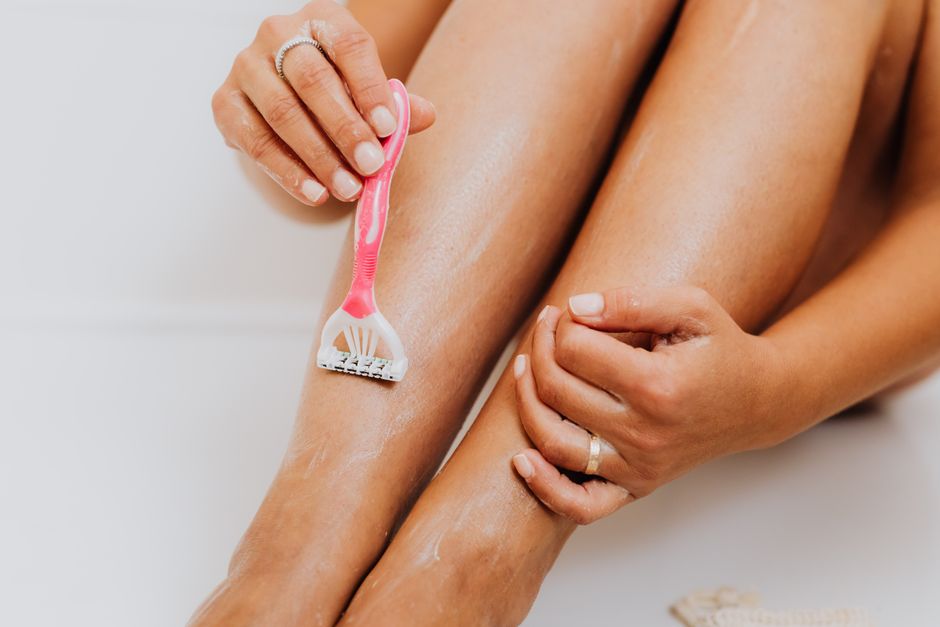
Dead skin cells are constantly shedding from your body. This is normal. But sometimes they build up and leave your skin looking dull, flaky, or rough. The most effective way to remove dead skin is through gentle physical or chemical exfoliation 1-2 times per week. You can use a soft washcloth, a gentle scrub, or products with ingredients like salicylic acid or lactic acid. The key is to be kind to your skin — harsh scrubbing does more harm than good.
What Causes Dead Skin to Build Up?
Your skin naturally replaces itself about every 28 days. Old cells die and new ones move to the surface. Most of the time you do not notice this process. Dead cells flake off when you wash or rub your skin.
Sometimes the shedding slows down. The dead cells stick together and form a visible layer. This is more common as you get older. The cell turnover cycle can slow to 45 days or more after age 40 according to research in the Journal of Investigative Dermatology.
Dry air, low humidity, and cold weather also slow the process. Harsh soaps strip natural oils and make dead skin more likely to clump. Some skin conditions like psoriasis and eczema involve rapid cell growth that leads to visible buildup. Even sun damage can thicken the outer layer of skin over time.
How To Remove Dead Skin Safely
The goal is to remove the dead layer without damaging the living skin underneath. Your skin has a protective barrier. Tearing through it leads to redness, irritation, and even infection.
There are two main approaches. Physical exfoliation uses friction. Chemical exfoliation uses acids or enzymes to dissolve the bonds between dead cells. Both work. Both have risks if done wrong.
For physical exfoliation, choose tools with soft materials. A damp washcloth works well. Soak it in warm water and gently rub your skin in small circles. Do this for about 30 seconds. A gentle scrub with fine particles like jojoba beads is another option. Avoid scrubs with crushed walnut shells or apricot pits. The jagged edges can create microtears in your skin.
For chemical exfoliation, look for products with AHAs or BHAs. Glycolic acid and lactic acid are common AHAs. They dissolve the glue that holds dead cells together. Salicylic acid is a BHA that works deeper inside pores. Start with a low concentration — 5 percent for AHAs and 2 percent for salicylic acid. Use once per week and increase slowly if your skin tolerates it.
What Does Research on Exfoliation Show?
Studies have found that chemical exfoliants are generally more consistent than physical ones. A 2019 study in the Journal of Cosmetic Dermatology compared glycolic acid peels to microdermabrasion. Both improved skin texture and brightness. The chemical peel group showed more even results across all participants.
Research published in the Journal of the American Academy of Dermatology found that lactic acid at 12 percent concentration improved skin firmness and thickness after 12 weeks. The participants were women aged 40 to 70. Their skin looked smoother and had fewer fine lines.
Salicylic acid has strong evidence for treating acne and clogged pores. The American Academy of Dermatology lists it as a first-line treatment for mild acne. It works by penetrating oil and clearing out dead cells inside the follicle.
Physical exfoliation has less published research behind it. Most evidence is anecdotal. People report softer skin after using a washcloth or scrub. But studies have not confirmed that physical exfoliation changes skin structure the way chemical exfoliants do.




Is It Better To Exfoliate Your Face or Body Differently?
Yes. Facial skin is thinner and more sensitive than body skin. The face has more oil glands and a higher concentration of nerve endings. It needs gentler treatment.
For the face, stick to chemical exfoliants or the softest physical methods. A washcloth with gentle pressure is usually safe. Avoid body scrubs on your face. The particles are often too large and rough. Never use a loofah or pumice stone on your face.
For the body, you have more options. The skin on your elbows, knees, and feet is thicker. A body scrub with salt or sugar crystals can work well there. Dry brushing is popular for the body. Some people report smoother skin and reduced ingrown hairs. The evidence is mostly anecdotal. If you try dry brushing, use light strokes and brush toward your heart. Do it before showering on dry skin.
| Method | Best For | Frequency | Caution |
|---|---|---|---|
| Soft washcloth | Face and body | 1-2 times per week | Use light pressure |
| Gentle scrub | Body only | 1 time per week | Avoid jagged particles |
| AHA (glycolic, lactic) | Face and body | 1-3 times per week | Use sunscreen after |
| BHA (salicylic acid) | Face, especially oily areas | 1-2 times per week | Patch test first |
| Dry brush | Body only | 1 time per week | Do not use on broken skin |
What Should You Avoid When Removing Dead Skin?
Over-exfoliating is the most common mistake. Doing it every day strips the protective barrier. Signs of over-exfoliation include redness, stinging, breakouts, and a tight feeling after washing. If your skin looks shiny and feels waxy, you have probably gone too far.
Avoid any product with harsh physical beads made from plastic or crushed shells. Polyethylene microbeads were banned in rinse-off products in the US in 2015. But some scrubs still use natural materials that are equally abrasive. Check the label. If the texture feels sharp on your fingers, it will feel worse on your face.
Do not exfoliate skin that is sunburned, broken, or actively breaking out with cystic acne. The irritation will make everything worse. Wait until the skin heals completely.
Avoid combining multiple exfoliating products. Using a scrub and a chemical exfoliant on the same day is too much. Pick one method per session. Rotate between methods on different days if you want variety.
Do not use a Clarisonic or similar rotating brush on your face more than once a week. A 2017 study in the Journal of Clinical and Aesthetic Dermatology found that daily use of a rotating brush reduced skin barrier function in some participants. Their skin lost more water over time.
Common Misconceptions About Dead Skin Removal
Many people think dead skin removal is necessary every day. It is not. Your skin sheds naturally. Most people only need help with this process once or twice a week. Daily exfoliation is rarely recommended by dermatologists.
Another myth is that you must feel a sting or burn for the product to work. This is false. A burning sensation means irritation. Effective exfoliation should feel mild or even unnoticeable. If a product burns, wash it off immediately.
Some believe that scrubbing harder removes more dead skin. The opposite is true. Hard scrubbing removes the top layer unevenly and causes inflammation. The inflamed skin looks red and puffy, which can hide the dead cells underneath. You end up with worse texture than before.
There is also a widespread claim that lemon juice and sugar make a good DIY scrub. This is not supported by evidence. Lemon juice is highly acidic with a pH around 2. Your skin sits at a pH around 5. Applying lemon juice can cause chemical burns and make your skin more sensitive to the sun. Sugar crystals are sharp and can create microtears. Stick to products formulated for skin use.
How To Build a Simple Dead Skin Removal Routine
Start with clean skin. Wash your face or body with a gentle cleanser. Pat dry with a towel. Do not rub.
Apply your exfoliant. If using a chemical product, follow the instructions on the bottle. Most leave-on exfoliants need to sit for 5 to 10 minutes before rinsing. If using a physical method, move in small circles for 30 seconds. Rinse with lukewarm water.
Moisturize immediately after exfoliating. The dead skin layer is gone and the fresh skin underneath needs protection. A basic moisturizer with ceramides or hyaluronic acid works well. Apply it while your skin is still slightly damp.
Use sunscreen every morning if you use chemical exfoliants. AHAs make your skin more sensitive to UV damage. The FDA requires this warning on products containing glycolic acid. Sunscreen is not optional here.
Adjust based on how your skin responds. If you notice redness or flaking, cut back to once every two weeks. If your skin looks smooth and feels comfortable, you can stay at once per week. Everyone’s skin is different. There is no universal schedule that works for all.
Frequently Asked Questions
How often should I exfoliate to remove dead skin?
Most people need exfoliation 1 to 2 times per week. Start with once and increase only if your skin tolerates it well.
Can I use a scrub and a chemical exfoliant together?
Do not use them on the same day. Pick one method per session to avoid over-exfoliating your skin.
Does dry brushing actually remove dead skin?
Some people report smoother skin after dry brushing. Strong clinical evidence is limited but it is generally safe for the body once per week.
Will dead skin removal help with acne?
Salicylic acid can help clear clogged pores that cause acne. Avoid exfoliating active cystic breakouts as it can worsen inflammation.
