
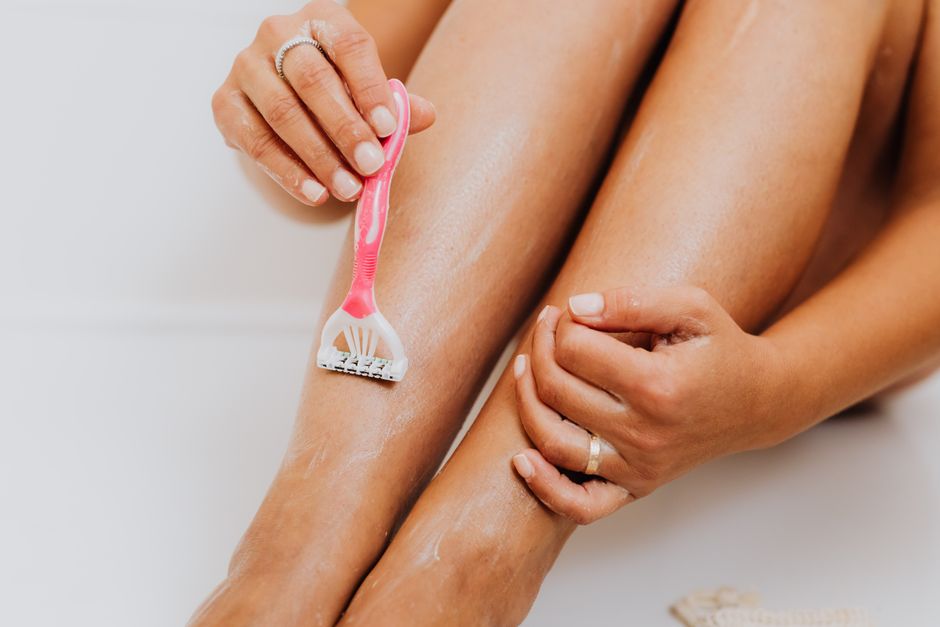
Peeling skin after a sunburn is your body clearing away damaged cells. You cannot stop the peeling once it starts, but you can manage it safely. The goal is to keep the skin moist, protect the new skin underneath, and avoid tearing off any loose flakes. Gentle care is the only effective approach.
What Actually Causes Skin To Peel After a Sunburn?
Sunburn is radiation damage. Ultraviolet (UV) rays from the sun or tanning beds penetrate your skin and damage the DNA in your skin cells. Your body recognizes these cells are beyond repair. It triggers a process called apoptosis — programmed cell death.
The damaged cells die and detach from the healthy layer beneath. This detachment is what you see as peeling. It is not a sign of healing starting. It is a sign of damage being removed. The new skin underneath is thin, sensitive, and vulnerable.
Research published in the Journal of Investigative Dermatology has shown this process is tightly controlled by your immune system. Trying to rush it by pulling off skin can disrupt that process and lead to infection or scarring.
How To Remove Peeling Skin From Sunburn Safely
There is no way to remove peeling skin quickly without causing harm. The skin will come off on its own. Your job is to support that natural process and protect the skin underneath.
Moisturize consistently. Use a gentle, fragrance-free moisturizer. Aloe vera gel is a common choice. Some studies suggest it has anti-inflammatory properties. Apply it after a cool shower while your skin is still damp. This locks in moisture. Do this two to three times a day.
Take short, cool baths or showers. Hot water strips natural oils and makes peeling worse. Cool water soothes the skin. Pat yourself dry with a soft towel. Do not rub. Rubbing can pull off skin that is not ready to come off.
Let loose skin fall off naturally. If a piece of skin is hanging and catches on clothing, you can trim it carefully with clean scissors. Never pull it. The skin underneath is not fully formed. Pulling can expose raw skin to bacteria.
Wear loose, soft clothing. Tight fabrics rub against peeling skin and can tear it. Cotton is a good choice. Avoid wool or synthetic fabrics that cause friction.
Use cool compresses. A clean cloth soaked in cool water applied to the peeling area for 10-15 minutes can reduce redness and itching. Do not use ice directly on the skin. Ice can cause frostbite on already damaged skin.
What To Avoid When Your Skin Is Peeling
Many common recommendations are wrong. Some can make the damage worse.
Do not pick or peel off skin. This is the most important rule. Picking removes skin that is not ready to detach. This exposes living tissue underneath. It increases your risk of infection, scarring, and uneven skin tone. The American Academy of Dermatology advises against any form of manual peeling.
Do not use exfoliating scrubs or tools. Loofahs, exfoliating gloves, and body scrubs are too harsh for sunburned skin. They remove the protective layer of dead cells before the new skin is ready. This can cause pain, bleeding, and longer healing time.
Avoid harsh soaps and products with alcohol or fragrance. These ingredients dry out the skin and slow the healing process. Use mild, soap-free cleansers. Cetaphil and CeraVe are examples of gentle options. Look for products labeled for sensitive skin.
Do not apply petroleum jelly or heavy oils to peeling skin. These products trap heat inside the skin. Sunburned skin needs to release heat. Heavy occlusives can make the burn feel hotter and slow healing. Light moisturizers or aloe vera are better choices.
| Ingredient | Effect on Peeling Skin | Recommendation |
|---|---|---|
| Aloe vera | Cooling, anti-inflammatory | Safe to use |
| Fragrance-free moisturizer | Hydrates without irritation | Safe to use |
| Petroleum jelly | Traps heat, may worsen burn | Avoid |
| Alcohol-based products | Dries and irritates | Avoid |
| Exfoliating acids (AHA/BHA) | Removes dead cells prematurely | Avoid until skin is fully healed |




Does Moisturizer Actually Help Peeling Skin Heal Faster?
Moisturizer does not speed up the shedding of dead skin cells. That process is determined by your body’s internal timeline. But moisturizer does make the peeling less noticeable and more comfortable.
Well-moisturized skin sheds in smaller, less visible flakes. Dry skin peels in larger, more obvious pieces. Moisturizer also reduces itching. Itching is common during peeling because the skin barrier is compromised and nerves are exposed.
A 2019 review in the journal Burns found that keeping the skin moist during healing reduced the risk of hypertrophic scarring. This is the thick, raised scar tissue that can form after deeper burns. For sunburn, this means moisturizing may help your skin return to its normal appearance more completely.
Choose a moisturizer with ceramides or glycerin. These ingredients support the skin barrier. Avoid anything labeled “anti-aging” or “brightening” while the skin is peeling. Those products often contain active ingredients like retinol or vitamin C that can irritate damaged skin.
When Should You See a Doctor for Peeling Sunburn?
Most sunburns heal on their own within a week. But some situations need medical attention.
Signs of infection. If the peeling area becomes redder, warm to the touch, or starts oozing yellow or green fluid, you may have an infection. Fever is another warning sign. These require a doctor’s evaluation. Infection in damaged skin can spread quickly.
Blisters covering a large area. Blisters are second-degree burns. If blisters cover more than 20% of your body, seek medical care. This is a serious burn that affects your body’s ability to regulate temperature and fluids. Do not pop the blisters. They protect the skin underneath from infection.
Signs of dehydration. Sunburn pulls fluid to the skin surface and away from your organs. If you feel dizzy, have a dry mouth, or are urinating less than usual, you may be dehydrated. Severe dehydration requires intravenous fluids.
No improvement after a week. If the peeling has not started to resolve after 7-10 days, or if the pain is getting worse, see a doctor. Some skin conditions like eczema can mimic sunburn. A dermatologist can tell the difference.
Common Misconceptions About Peeling Sunburn
There is a lot of bad advice online. Here are three claims that are not supported by evidence.
Myth: Vinegar helps remove peeling skin. Some people recommend applying apple cider vinegar to sunburn. There is no clinical evidence this works. Vinegar is acidic and can further irritate already damaged skin. It may increase stinging and redness. Stick to cool water and gentle moisturizer.
Myth: Peeling means the burn is healing. Peeling means the damaged cells are being removed. It is part of the process, but it is not a sign that healing is complete. The new skin is still fragile and needs protection. Healing continues for days after the peeling stops.
Myth: You can prevent peeling by taking pain relievers. Ibuprofen and aspirin can reduce inflammation and pain from sunburn. They do not prevent the skin from peeling. The cell damage has already happened. Pain relievers treat symptoms, not the underlying cellular process.
Frequently Asked Questions
Can I use coconut oil on peeling sunburn?
Coconut oil is not recommended for fresh peeling skin. It can trap heat and clog pores. Use a light, fragrance-free moisturizer instead.
How long does sunburn peeling last?
Peeling usually starts 3 to 5 days after the burn and lasts 2 to 4 days. The entire healing process can take up to two weeks.
Should I pop blisters from sunburn?
No. Blisters protect the skin underneath from infection. If they break on their own, clean the area gently with soap and water and cover with a sterile bandage.
Is it safe to exercise while skin is peeling?
Light exercise is fine if you feel well. Sweat can irritate peeling skin. Shower immediately after and apply moisturizer. Avoid activities that cause friction against the peeling area.
