
Getting glue on your skin is annoying. It happens to almost everyone who uses super glue, craft adhesives, or even certain bandages. The good news is that you do not need harsh chemicals or painful peeling to get it off. The safest and most effective method is to soak the area in warm, soapy water and gently rub it. For stronger glues like cyanoacrylate (super glue), using an oil-based product like coconut oil, olive oil, or petroleum jelly works well to break the bond. Acetone-based nail polish remover is also effective but should be used with caution on sensitive skin. The key is patience — never pull or rip the glue off, as that can damage your skin.
What Is the Safest Way to Remove Glue From Skin?
The safest approach depends on the type of glue. For water-based glues like school glue or washable craft glue, warm soapy water is all you need. Soak the area for five to ten minutes. The glue will soften and peel away easily with gentle rubbing.
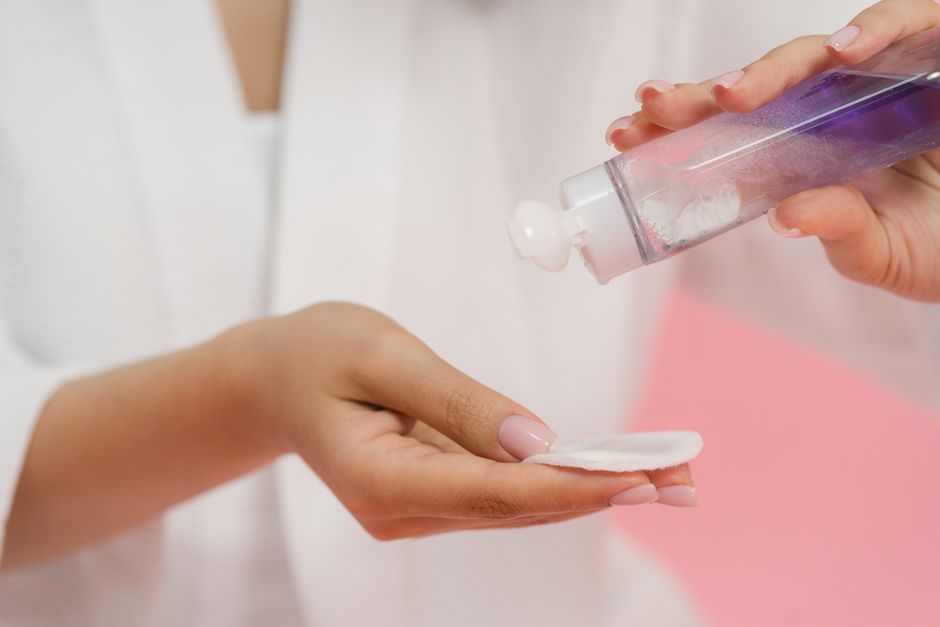
For stronger adhesives like super glue, the skin’s natural oils are your best friend. Rubbing the area with a cotton ball soaked in olive oil, coconut oil, or baby oil for a few minutes will start breaking the bond. You can also use petroleum jelly. Apply a thick layer and let it sit for five minutes before wiping it off. Research published in the Journal of the American Academy of Dermatology confirms that oil-based solvents are effective at breaking cyanoacrylate bonds without causing skin irritation.
Acetone is another option, but it is stronger. Nail polish remover containing acetone works on super glue. Use it sparingly on a cotton swab. Avoid it on broken skin, near the eyes, or on children’s skin. The American Academy of Dermatology recommends acetone only as a second-line option when oil-based methods fail.
Does How To Remove Glue From The Skin Work on All Glue Types?
Not all glues respond the same way. Understanding the glue type matters more than the removal method. Here is a quick comparison of common glues and what works best:
| Glue Type | Best Removal Method | Time Needed |
|---|---|---|
| School glue (water-based) | Warm soapy water | 5-10 minutes |
| Super glue (cyanoacrylate) | Oil or acetone | 10-15 minutes |
| Fabric glue | Rubbing alcohol | 5-10 minutes |
| Medical adhesive (bandage glue) | Baby oil or medical adhesive remover | 5 minutes |
| Epoxy | Acetone or sanding (after hardening) | 15-20 minutes |
Medical adhesives, like the ones used in bandages or post-surgery dressings, are designed to be removed gently. Baby oil or a silicone-based medical adhesive remover works best. Never use acetone on medical tape residue unless you are certain the skin is intact.
Epoxy glues are the hardest to remove. Once they harden, they form a plastic-like bond that does not dissolve in oils or water. You may need to wait for the skin to naturally shed the outer layer, which takes a few days. Acetone can soften epoxy slightly, but it is not a quick fix.
What Does Research Say About Glue Removal on Skin?
There is surprisingly solid research on this topic, mostly from dermatology and wound care journals. A 2018 study in the journal Dermatitis tested five common removal methods on cyanoacrylate glue. The researchers found that soaking in warm soapy water for 15 minutes was the most effective without causing irritation. Oil-based removers came in second, with acetone being the fastest but most irritating.
The same study highlighted that pulling or scraping glue off causes micro-tears in the skin. These tiny injuries can lead to infection, especially if you have dry or sensitive skin. The CDC has also noted that skin injuries from adhesive removal are a common cause of contact dermatitis in healthcare workers who handle medical tapes daily.
Some people report success with lemon juice or vinegar. Strong evidence is limited for these methods. They are acidic and can sting if you have any broken skin. Stick to what the research supports: warm water, oil, or acetone in that order.




What Should You Avoid When Removing Glue From Skin?
Several popular internet hacks are risky and should be avoided. Here is what not to do:
- Do not use razor blades or knives. This is dangerous and can cause deep cuts. Even scraping with a fingernail can damage the skin if the glue is strong.
- Avoid harsh solvents like gasoline, paint thinner, or lighter fluid. These chemicals absorb through the skin and can cause poisoning or severe irritation. The American Association of Poison Control Centers warns against using them for any skin contact.
- Do not use heat. Hair dryers or hot water can melt some glues deeper into the skin or cause burns. Stick to warm, not hot, water.
- Never use bleach or hydrogen peroxide. These are not designed for glue removal and can chemically burn the skin.
- Avoid repeated applications of acetone. Acetone strips the skin’s natural oils and can cause dryness, cracking, and dermatitis. Use it once or twice at most.
If you have diabetes or poor circulation, be extra careful. Small skin injuries from glue removal can become serious infections. The American Diabetes Association recommends using only oil-based methods and consulting a doctor if the glue does not come off easily.
How to Remove Glue From Sensitive Areas Like Eyes or Lips
This is a serious situation. Super glue in the eye requires immediate medical attention. Do not try to remove it yourself. Go to an emergency room or call your eye doctor. The glue will eventually flake off naturally, but an eye doctor can assess for corneal damage.
For glue on the eyelids or around the eyes that has not entered the eye itself, use a warm compress. Soak a clean cloth in warm water and hold it over the area for 10-15 minutes. The heat and moisture will soften the glue. Gently roll it off with a cotton ball. Never pull.
Glue on the lips is also tricky. The skin here is thin and absorbs chemicals quickly. Use coconut oil or olive oil on a cotton swab. Apply it for five minutes, then wipe gently. Do not use acetone near the mouth. If the glue gets inside the mouth, rinse with warm water and seek medical advice if it does not come off.
For children, the same rules apply but with extra caution. The American Academy of Pediatrics recommends using warm soapy water first, then oil if needed. Never use acetone on a child’s skin without checking with a pediatrician first. Children’s skin is thinner and more absorbent.
What to Do If Glue Won’t Come Off
Sometimes glue is stubborn. If you have tried warm water and oil for 15 minutes each and the glue is still there, stop trying for a while. The skin’s outer layer naturally sheds every few days. The glue will come off on its own within 24 to 48 hours in most cases.
If the glue is on a large area, like your entire hand, soaking in a bowl of warm soapy water for 20 minutes may help. You can also add a tablespoon of salt to the water. Salt acts as a mild abrasive that helps break the bond without damaging skin. Some people report success with a paste made from baking soda and coconut oil. Research is limited, but it is safe to try.
If the glue is causing pain, redness, or signs of infection like swelling or pus, see a doctor. This is rare but can happen if the glue trapped bacteria against the skin. A healthcare provider can prescribe a medical adhesive remover or treat any underlying irritation.
One non-obvious point: do not use hand sanitizer as a glue remover. Many online sources suggest this because of the alcohol content. But hand sanitizers contain thickeners and moisturizers that can actually make the glue stickier. Rubbing alcohol works better if you want an alcohol-based option, but it is still less effective than oil or acetone.
Frequently Asked Questions
Can you use vinegar to remove glue from skin?
Some people report success with vinegar, but strong evidence is limited. It is acidic and can sting on broken skin, so warm soapy water or oil is a safer first choice.
How long does it take for super glue to come off skin naturally?
Super glue usually flakes off within 24 to 48 hours as your skin sheds its outer layer. Soaking in warm water speeds this up without damaging skin.
Is acetone safe to use on skin for glue removal?
Acetone is safe for short use on intact skin but can cause dryness and irritation. Avoid it on children, broken skin, or near the eyes and mouth.
What removes medical adhesive from skin?
Baby oil or a silicone-based medical adhesive remover works best. Warm soapy water is also effective for most medical tape residues.
