
Dark circles under your eyes are one of the most common cosmetic complaints. They make you look tired, older, or run down even when you feel fine. The good news is that many causes of dark circles can be improved with simple home habits. The bad news is that not every dark circle can be fixed with a cucumber slice. The truth depends entirely on why you have them in the first place.
To remove dark circles naturally at home, you must first identify the cause. If your dark circles come from poor sleep, dehydration, or allergies, lifestyle changes and cold compresses can genuinely help. If they come from genetics, thin skin, or natural shadowing from your bone structure, no home remedy will erase them completely. Understanding the difference is the first real step.
Why Do Dark Circles Form in the First Place?
Dark circles are not one single condition. They are a visual symptom with several different underlying causes. The skin under your eyes is among the thinnest skin on your entire body. It is roughly 0.5 millimeters thick, compared to about 2 millimeters on the rest of your face. This thinness means blood vessels beneath the surface are more visible.
When blood pools in those tiny vessels, it shows through as a blue or purple tint. This is the same reason veins look blue through the skin on your wrist. The effect is stronger under the eyes because the skin is so much thinner there.
Some people also have excess pigment in the under-eye area. This is called periorbital hyperpigmentation. It runs in families and is much more common in people with darker skin tones. Neither cold compresses nor sleep will change pigment that is genetically determined.
Finally, some dark circles are actually shadows. As we age, the fat pad under the eye thins and the cheekbone loses volume. This creates a hollow that casts a shadow, making the area look darker than it actually is. No cream, natural or otherwise, can restore lost facial volume.
How To Remove Dark Circles Naturally At Home: What Actually Works
Several home approaches have genuine biological logic behind them. They work by constricting blood vessels, reducing fluid buildup, or improving skin quality. They do not work by some magical “detox” process, which has no basis in physiology.
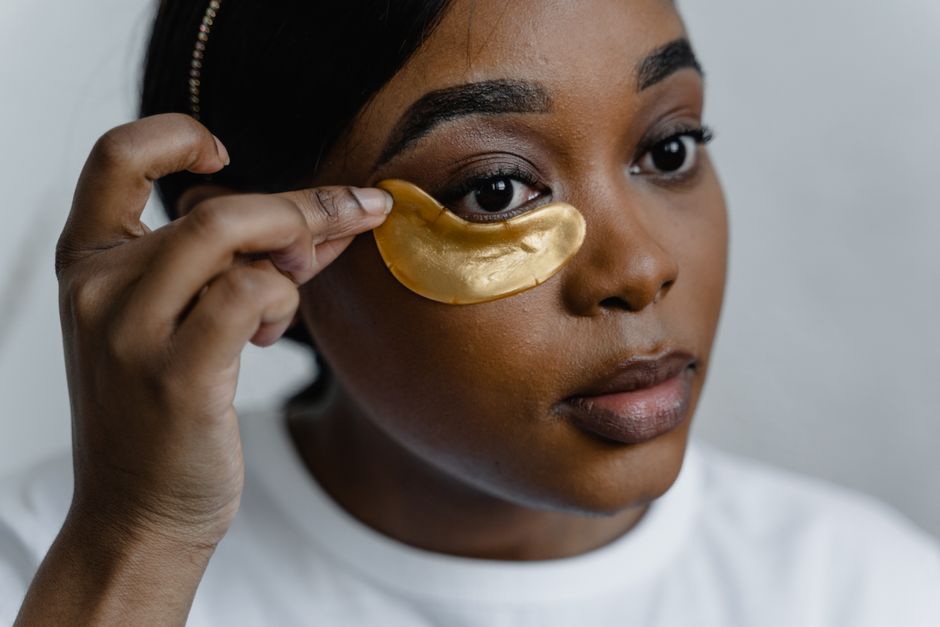
Cold compresses are the most straightforward natural method. Cold causes the blood vessels under the eyes to constrict. Less blood in the vessels means less color showing through the thin skin. You can use chilled spoons, a cold gel mask, or a clean cloth soaked in cold water. Apply for 5 to 10 minutes in the morning. The effect is temporary — lasting a few hours at most — but it is real and immediate.
Tea bags are a popular remedy with some supporting logic. Caffeine is a vasoconstrictor, meaning it narrows blood vessels. Tannins in tea also have a mild astringent effect. Use chilled black or green tea bags and place them over closed eyes for 10 to 15 minutes. The caffeine and cold work together to reduce the appearance of blood vessels. The evidence here is mostly anecdotal, but the mechanism is physiologically sound.
Sleep position and elevation matter more than most people realize. Fluid accumulates under the eyes when you lie flat, especially overnight. This is why dark circles often look worse in the morning. Sleeping with an extra pillow to elevate your head helps fluid drain away from the face. This is not a cure, but it reduces morning puffiness that makes dark circles look worse.
Aloe vera is often recommended for its soothing and moisturizing properties. It does not directly treat dark circles, but well-hydrated skin reflects light better and looks healthier. Apply a thin layer of pure aloe vera gel under the eyes before bed. It is gentle and unlikely to cause irritation for most people.
Why Sleep and Hydration Are Non-Negotiable
Sleep deprivation is one of the most direct causes of temporary dark circles. When you do not get enough sleep, your skin becomes paler and blood vessels dilate. Both effects make dark circles more visible. The pale skin is the bigger factor — lighter skin shows less contrast with the dark blood vessels beneath it.
Research consistently shows that even a single night of poor sleep makes the under-eye area look darker and more puffy. Chronic sleep loss makes the effect permanent-looking because the skin quality itself declines over time.
Hydration works on a similar principle. Dehydrated skin looks dull and flat. It does not reflect light well, which makes shadows and discolorations more obvious. Drinking enough water will not erase genetic dark circles, but it will improve the overall tone and plumpness of the skin so that whatever darkening exists is less noticeable.
There is no universal “correct” amount of water that works for everyone. The old advice of eight glasses a day is not backed by strong science. A better guide is your urine color — pale yellow indicates adequate hydration. Dark yellow suggests you need more fluids.




The Allergy and Sinus Connection
Allergies are a frequently overlooked cause of dark circles. When you have allergic rhinitis, the blood vessels under your eyes dilate. This produces a bluish tint that many people mistake for tiredness. Chronic allergies also cause you to rub your eyes, which can lead to actual pigment changes in the skin over time.
This condition has a clinical name: allergic shiners. It is common in both children and adults with untreated allergies. If you notice your dark circles worsen during pollen season or when you are around dust or pet dander, allergies may be the cause.
Managing the underlying allergy is the only real fix. Antihistamines, nasal saline rinses, and reducing exposure to triggers are the standard approaches. Home remedies for the dark circles themselves will only provide temporary cosmetic relief while the allergy continues to cause dilation underneath.
Sinus congestion works similarly. When your sinuses are inflamed, they press on the veins that drain blood from the eye area. This backflow causes blood to pool, creating a darker appearance. Treating the congestion with steam inhalation or saline spray can improve the appearance of the under-eye area.
Diet and Nutrition: What the Evidence Shows
Nutrition plays a supporting role, but not a starring one. No vitamin or food has been proven to eliminate dark circles in clinical trials. However, certain nutrients affect the underlying factors that make dark circles visible.
Iron deficiency is the strongest nutritional link. Low iron causes anemia, which makes the blood less oxygen-rich. This gives the blood a darker, more bluish color that shows through the thin under-eye skin. If your dark circles appeared recently and are accompanied by fatigue, pale skin, or shortness of breath, an iron deficiency is worth investigating. A simple blood test can confirm this.
Vitamin K is frequently promoted for dark circles. The theory is that it helps blood clotting and reduces the visibility of broken capillaries. Some small studies suggest topical vitamin K may help with bruising, but no large clinical trials have confirmed it works for dark circles. The evidence here is weak.
Vitamin C is better supported. It is required for collagen production, and collagen is what keeps under-eye skin thick enough to hide blood vessels. Topical vitamin C has been studied for improving skin thickness and reducing pigmentation. Some dermatologists recommend it for under-eye care, though results take weeks to appear.
A balanced diet with adequate protein, healthy fats, and a variety of fruits and vegetables supports overall skin health. There is no specific “anti-dark circle diet” that has been validated by research.
Sun Protection: The Most Overlooked Natural Remedy
Sun exposure makes dark circles worse, and sunscreen is the most effective home “treatment” you are probably skipping. Ultraviolet radiation breaks down collagen in the skin, making it thinner. Thinner skin means more visible blood vessels. UV exposure also stimulates melanin production, which can darken the under-eye area in people prone to pigmentation.
This is not speculative. The connection between UV exposure and skin thinning is one of the most well-established facts in dermatology. Wearing sunscreen daily around the eye area is one of the few things that genuinely prevents dark circles from getting worse over time.
Choose a mineral sunscreen with zinc oxide or titanium dioxide if you have sensitive eyes. Chemical sunscreens can sting if they migrate into the eye. Sunglasses with UV protection also help by reducing squinting, which over time creates fine lines that deepen shadows.
When Home Remedies Will Not Work
It is important to be honest about the limits of natural approaches. If your dark circles are caused by genetics, no home remedy will remove them. You can improve them temporarily, but you cannot change the structure of your skin or the shape of your face with cucumber slices.
Dark circles that are actually shadows from hollowing under the eyes cannot be treated with creams or compresses. The shadow is created by the loss of volume in the mid-face. Only dermal fillers or fat transfer can address this, and those are medical procedures performed by qualified dermatologists or plastic surgeons.
Similarly, pigment-based dark circles in darker skin tones respond poorly to most home remedies. The pigment sits in the dermis, the deeper layer of skin, where topical substances have difficulty reaching it. Some dermatologists recommend prescription-strength lightening agents or laser treatments for this type.
If your dark circles are accompanied by swelling, redness, pain, or if they appeared suddenly, see a doctor. These symptoms are not normal and may indicate an underlying medical condition.
Frequently Asked Questions
How long does it take for home remedies to work on dark circles?
Cold compresses and other temporary methods work within minutes but only last a few hours. Long-term improvements from sleep, hydration, and sun protection typically take several weeks to become noticeable.
Can cucumber slices actually reduce dark circles?
Cucumber slices provide a cooling effect that temporarily constricts blood vessels, but they have no unique ingredient that treats dark circles. A cold compress works just as well.
Are dark circles a sign of a health problem?
Dark circles alone are rarely a sign of serious illness. However, if they appear alongside fatigue, pale skin, or shortness of breath, an iron deficiency or anemia is worth checking with a blood test.
Do eye creams actually work for dark circles?
Eye creams containing caffeine or vitamin C have some evidence behind them. Most over-the-counter eye creams, however, provide only temporary cosmetic improvement and cannot treat genetic or structural causes.
The realistic goal for home treatment is improvement, not perfection. Address your sleep, manage allergies, protect your skin from the sun, and stay hydrated. These habits will make a visible difference for most people. For the rest, accept what genetics gave you or consult a dermatologist about medical options. Both are valid paths forward.
