
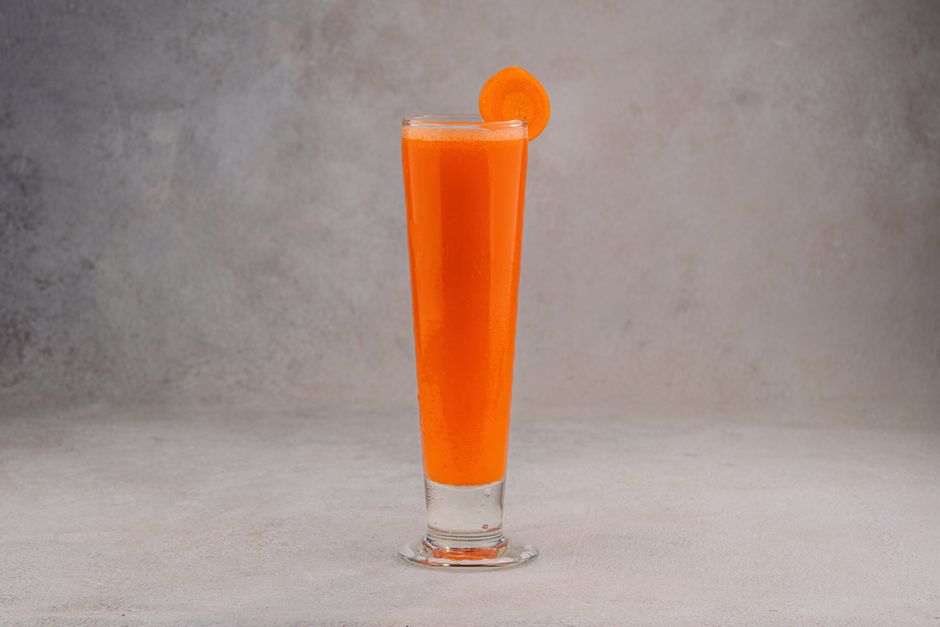
Carrot juice is naturally sweet, but it can also taste earthy, bitter, or flat. You do not need sugar, honey, or artificial sweeteners to fix it. The best ways to improve the flavor naturally are to balance the sweetness with acidity, add complementary fruits and vegetables, and use proper preparation techniques like peeling and straining. A splash of lemon juice, a piece of ginger, or a crisp apple can transform a plain glass of carrot juice into something you actually look forward to drinking.
Why Does Carrot Juice Sometimes Taste Bitter or Earthy?
Carrots store their flavor in their skin and in the thin layer just beneath it. That outer layer contains most of the earthy, sometimes bitter compounds. When you juice unpeeled carrots, those compounds end up in your glass. The variety of carrot also matters. Older carrots, or those that have been stored for a long time, develop a stronger, more bitter flavor profile than fresh ones.
The bitterness is often made worse by oxidation. Once you juice a carrot, the juice begins to react with oxygen in the air. This process can dull the natural sweetness and bring out harsh notes. Drinking the juice immediately after making it is the simplest way to avoid this problem.
Another factor is the carrot itself. Some carrots naturally contain higher levels of compounds called terpenoids. These compounds taste bitter and piney. They are more common in certain varieties and in carrots that were grown in hot weather. If you consistently get bitter juice, try a different carrot variety from a different source.
How To Make Carrot Juice Taste Better Naturally
Start with the fruit itself. Apples are the most reliable addition for improving carrot juice flavor. A sweet apple like Fuji, Gala, or Honeycrisp adds natural sugar and a softer mouthfeel. Use about one apple for every three or four medium carrots. The apple flavor does not overpower the carrot; it rounds out the sharp edges.
Citrus is the second essential tool. A squeeze of fresh lemon or lime juice brightens the entire glass. Acidity counteracts bitterness and makes the natural sweetness of the carrots more noticeable. Start with a quarter of a lemon per glass and adjust to taste. Orange juice works too, but it adds more sugar and a different flavor profile.
Ginger is the most effective spice for this purpose. A small piece of fresh ginger root, about the size of your thumbnail, adds warmth and a mild spiciness that masks earthy flavors. It pairs well with both apple and lemon. If you do not like ginger, try a small piece of fresh turmeric root instead. Turmeric adds an earthy warmth that complements carrots without competing with them.
Cold juice tastes better than room-temperature juice. The cold temperature suppresses bitter flavors and makes sweetness more pronounced. Serve the juice over ice or chill it in the refrigerator for fifteen minutes before drinking. Do not add ice cubes directly to the juice if you plan to store it, as the melting ice will dilute the flavor.
Which Fruits and Vegetables Pair Best With Carrot Juice?
Some pairings work better than others. The goal is to add sweetness, acidity, or a complementary flavor without overwhelming the carrot. Here are the most effective combinations:
- Apple – adds natural sweetness and a smoother texture
- Orange – adds sweetness and acidity, creates a classic breakfast juice
- Lemon or lime – adds acidity, cuts bitterness, brightens the flavor
- Ginger – adds warmth and mild spice, masks earthy notes
- Beet – adds earthy sweetness, deepens the color and flavor
- Cucumber – adds a fresh, mild flavor and thins the texture
- Celery – adds a savory note, balances the sweetness
Be careful with strong-flavored vegetables. Kale, spinach, and other leafy greens can make carrot juice taste grassy and more bitter. If you want to add greens for nutrition, use a small handful and balance it with extra apple or lemon. The same caution applies to raw garlic and onion, which will dominate the entire glass.
Frozen fruit is a useful trick. Instead of adding ice cubes, use frozen pineapple, mango, or peach chunks. They chill the juice while adding natural sweetness and a thicker texture. This works especially well if you are making a smoothie-style juice with a blender rather than a traditional juicer.





Does the Juicing Method Change the Taste?
Yes, the method matters more than most people realize. A centrifugal juicer spins at high speed and introduces more air into the juice. This increases oxidation, which can make the juice taste slightly bitter and causes it to separate faster. A masticating juicer crushes the carrots slowly and produces a smoother, sweeter juice with less foam and less oxidation.
If you only have a centrifugal juicer, you can still get good results. Strain the juice through a fine mesh sieve or cheesecloth to remove excess pulp and foam. The foam contains trapped air and some of the bitter compounds. Removing it improves both the taste and the texture.
Blending is another option. A high-speed blender turns the whole carrot into juice, including all the fiber. The result is thicker and more filling than juice from a juicer. Many people find the fiber actually improves the flavor because it slows down how quickly the natural sugars hit your tongue. If you blend, you may need to add a little water to reach your preferred consistency.
The temperature of the carrots matters too. Cold carrots straight from the refrigerator produce a crisper, cleaner-tasting juice. Room-temperature carrots that have been sitting out for days produce a duller, more muted flavor.
What About Salt and Other Flavor Enhancers?
A tiny pinch of salt is a legitimate way to improve carrot juice flavor. Salt does not make the juice taste salty at the amounts needed. Instead, it suppresses bitterness and enhances sweetness. This is a well-established culinary technique that works across many foods and beverages. Use a small pinch per glass and taste before adding more.
Vanilla extract is an unexpected but effective addition. A drop or two of pure vanilla extract adds a roundness that makes the juice taste sweeter without adding sugar. This works best in carrot-apple or carrot-orange combinations. Do not use imitation vanilla, which has a harsh chemical aftertaste.
Cinnamon and nutmeg are warming spices that pair naturally with carrot flavor. A light dusting of cinnamon on top of the finished juice adds a subtle sweetness and a pleasant aroma. These spices work best when the juice is served cold or at room temperature, as heat can make them taste powdery.
Coconut water is a good liquid base if you are blending rather than juicing. It adds a mild sweetness and electrolytes without a strong coconut flavor. Regular water works fine but does not add anything to the taste. Avoid adding sugar, honey, or maple syrup if your goal is a naturally sweet juice. The added fruits and spices provide enough sweetness without the refined sugar.
How Should You Store Carrot Juice to Keep It Tasting Fresh?
Fresh carrot juice loses quality quickly. The flavor fades and becomes more bitter within hours of juicing. For the best taste, drink it within 24 hours. If you must store it, use an airtight glass container and fill it to the top. Less air in the container means less oxidation.
Light also degrades the juice. Store it in the back of the refrigerator, not in the door where it gets exposed to light every time you open it. A dark glass bottle or jar is better than a clear one. Shake the juice well before drinking because separation is normal and does not mean the juice has gone bad.
Freezing is an option for longer storage. Pour the juice into ice cube trays and freeze. The cubes can be added to smoothies or thawed in the refrigerator. Freezing does change the texture slightly, and the flavor will not be as bright as fresh juice, but it is a practical way to avoid waste if you made too much.
Do not rely on smell alone to judge freshness. Carrot juice can look and smell fine while the flavor has already deteriorated. If it tastes dull, flat, or noticeably more bitter than when you made it, it is past its best. Make smaller batches more frequently instead of large batches that you stretch over several days.
Frequently Asked Questions
What is the best fruit to add to carrot juice?
Apple is the most reliable choice because it adds natural sweetness without overpowering the carrot flavor. Use one sweet apple for every three or four medium carrots.
Does lemon juice really help carrot juice taste better?
Yes, lemon juice adds acidity that cuts through the earthy and bitter flavors while making the natural sweetness more noticeable. Start with a quarter of a lemon per glass and adjust to taste.
Why does my carrot juice taste bitter even with apples in it?
Bitterness usually comes from unpeeled carrots, old carrots, or oxidation from waiting too long to drink the juice. Peel the carrots, use fresh ones, and drink the juice immediately for the best flavor.
Can I make carrot juice taste better without adding any fruit?
Yes, a pinch of salt, a piece of fresh ginger, or a drop of vanilla extract can improve the flavor without fruit. Chilling the juice also suppresses bitter notes and enhances the natural sweetness.
