
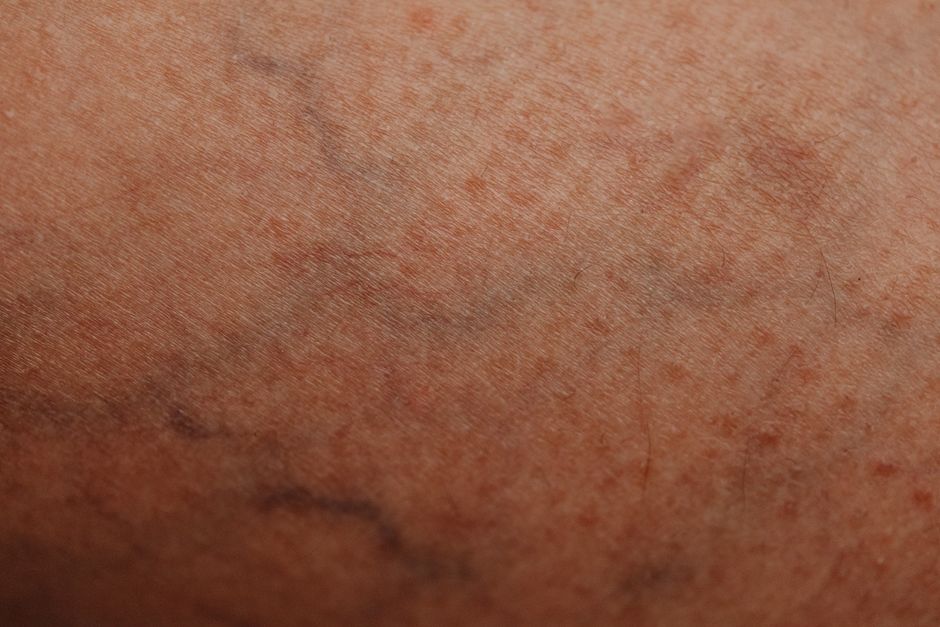
Varicose veins are swollen, twisted veins that appear just under the skin, usually on the legs. They happen when the one-way valves inside your veins weaken and allow blood to flow backward and pool. Natural treatments can help relieve the discomfort and keep the condition from getting worse, but they cannot reverse veins that are already enlarged. The most effective natural steps are regular movement, leg elevation, compression stockings, and weight management. These actions improve blood flow and reduce symptoms, even though they do not make the veins disappear.
What Causes Varicose Veins to Develop?
Your veins carry blood back to your heart. To do this against gravity, they rely on tiny one-way valves that open and close as blood moves through. When those valves weaken, blood can slip backward and collect in the vein. Over time, the added pressure makes the vein stretch and bulge.
This process is largely influenced by genetics. If your parents had varicose veins, you are more likely to develop them. Standing or sitting for long hours at work also increases the pressure in your leg veins. Pregnancy is another common trigger because the growing uterus presses on the veins in the pelvis, and hormonal changes relax the vein walls. Age matters too, as vein walls naturally lose elasticity over the years.
Does Exercise Actually Help Varicose Veins?
Yes, but not because exercise shrinks the veins. Exercise helps because your calf muscles act as a secondary pump. When you walk, run, or pedal, those muscles squeeze the deep veins in your legs and push blood upward toward your heart. This reduces the pooling of blood that causes symptoms like heaviness, aching, and swelling.
Low-impact activities are the most practical choice. Walking, swimming, cycling, and hiking all activate the calf pump without jarring your legs. Aim for regular movement throughout the day rather than a single intense workout. If you sit at a desk, take a short walk every hour. If you stand all day, shift your weight, walk a few steps, or do calf raises on the spot. The goal is to keep blood moving rather than letting it settle in your lower legs.
One caution: heavy weightlifting that involves straining can actually increase pressure in your veins. If you lift weights, focus on controlled movements and avoid holding your breath while straining, as this raises abdominal pressure and makes it harder for blood to return from your legs.
What Is the Best Way to Use Compression Stockings?
Compression stockings are the single most effective non-medical tool for managing varicose vein symptoms. They work by applying graduated pressure — firmest at the ankle and gradually looser toward the knee or thigh. This external pressure supports the vein walls and helps the valves function more efficiently, reducing swelling and aching.
These stockings are not the same as the thin support socks you find at a pharmacy. Medical-grade compression stockings come in specific pressure levels measured in millimeters of mercury (mmHg). Mild compression of 15-20 mmHg may help with minor aching. Moderate compression of 20-30 mmHg is the range most commonly recommended for varicose veins. Higher levels are available but usually require a prescription.
For best results, put the stockings on in the morning before you get out of bed, when your legs are least swollen. Wear them throughout the day and remove them at night. They are most helpful if you have a job that requires prolonged sitting or standing. Some people find them uncomfortable in warm weather, but the symptom relief usually outweighs the inconvenience.



How To Treat Varicose Veins Naturally What Works — Diet and Weight
No specific food has been proven to cure varicose veins. However, diet plays an indirect but meaningful role through weight management and inflammation control. Excess body weight, particularly around the abdomen, increases pressure on the veins in your legs. Losing weight reduces that pressure and can slow the progression of existing veins.
Fiber is worth emphasizing. Constipation causes straining during bowel movements, and that straining increases abdominal pressure, which then pushes against the veins in your legs. A diet rich in fruits, vegetables, and whole grains keeps you regular and reduces this strain.
Sodium is another factor. High salt intake causes your body to retain fluid, which can worsen swelling in the legs. Reducing processed foods and salty snacks can help manage the edema that often accompanies varicose veins.
Some research has looked at compounds called flavonoids, which are found in citrus fruits, berries, onions, and dark chocolate. These plant compounds may help strengthen vein walls and reduce inflammation. Some studies suggest they can ease leg discomfort, but the evidence is not strong enough to recommend them as a treatment. Eating these foods as part of a balanced diet is reasonable. Taking high-dose flavonoid supplements has not been proven to shrink varicose veins.
Do Leg Elevation and Massage Make a Difference?
Elevating your legs is one of the simplest and most effective natural measures. When you raise your legs above the level of your heart, gravity helps drain the pooled blood back toward your body’s center. This provides quick relief from heaviness and swelling, especially after a long day on your feet.
Try to elevate your legs for 15-20 minutes several times a day. The ideal position is lying on your back with your legs propped up on pillows or the arm of a sofa so that your feet are higher than your heart. This is a temporary relief measure, not a cure, but it genuinely reduces discomfort.
Massage is a different story. Gentle massage can feel pleasant and may temporarily reduce swelling by encouraging fluid movement. However, you should never massage directly over a varicose vein. The vein walls are already weakened and stretched, and firm pressure can damage them further. In some cases, massage can dislodge a blood clot and cause serious complications. If you want massage, keep it light and focus on the surrounding areas rather than the vein itself. If you have any history of blood clots, skip massage entirely and talk to a doctor.
What Natural Remedies Have Real Evidence Behind Them?
Several plant extracts have been studied for vein health, but the evidence is modest at best. Horse chestnut seed extract is the most researched. Some clinical trials have found that it can reduce leg pain, heaviness, and swelling in people with chronic venous insufficiency. The active compound, aescin, appears to reduce inflammation and improve vein tone. However, the quality of the research varies, and horse chestnut can interact with blood-thinning medications. It should not be taken without discussing it with a healthcare provider.
Gotu kola is another herb used for vein conditions. Some studies suggest it may improve blood flow and reduce swelling, but the research is less robust than for horse chestnut. Red vine leaf extract and butcher’s broom have also been studied, with some positive findings for symptom relief. None of these remedies has been shown to make varicose veins disappear. They may reduce discomfort, but they do not address the underlying valve damage.
There is a difference between a remedy that relieves symptoms and one that treats the root cause. These herbs fall into the first category. If you are considering them, be aware that herbal supplements are not regulated as strictly as medications, and their potency can vary between brands.
When Do Natural Treatments Stop Being Enough?
Natural treatments are appropriate for managing mild to moderate symptoms. They are not appropriate if you develop complications. Seek medical evaluation if the skin over your varicose veins becomes red, warm, or painful, as this can indicate superficial thrombophlebitis, which is inflammation and clotting in a vein just under the skin.
You should also see a doctor if a vein begins to bleed, or if an ulcer forms near your ankle. Leg ulcers are a serious complication of chronic venous insufficiency and require professional wound care. Sudden, severe swelling in one leg with pain and warmth can be a sign of deep vein thrombosis, which is a medical emergency. This is different from a varicose vein, and it requires immediate attention.
For people whose symptoms significantly interfere with daily life, medical treatments such as endovenous laser therapy, radiofrequency ablation, or sclerotherapy are effective options. These procedures close off the damaged vein, and blood reroutes through healthy veins nearby. They are minimally invasive and generally well tolerated. Natural treatments can still be useful after these procedures to support vein health and prevent new veins from forming.
Frequently Asked Questions
Can varicose veins go away on their own?
No, varicose veins do not go away on their own. Once the vein valves are damaged, they do not repair themselves, and the vein will remain enlarged without medical treatment.
Is walking good for varicose veins?
Yes, walking is one of the best natural activities for varicose veins because it activates the calf muscle pump that helps push blood upward. Regular walking reduces swelling and aching, even though it will not make the veins disappear.
Do compression stockings really work for varicose veins?
Compression stockings are the most effective non-medical treatment for relieving varicose vein symptoms. They reduce swelling and aching by supporting the vein walls, but they do not cure the underlying valve damage.
Are horse chestnut supplements safe for varicose veins?
Horse chestnut seed extract has shown some benefit for leg pain and swelling in clinical studies, but it can interact with blood-thinning medications. Talk to your doctor before taking it, especially if you have liver or kidney disease.
