
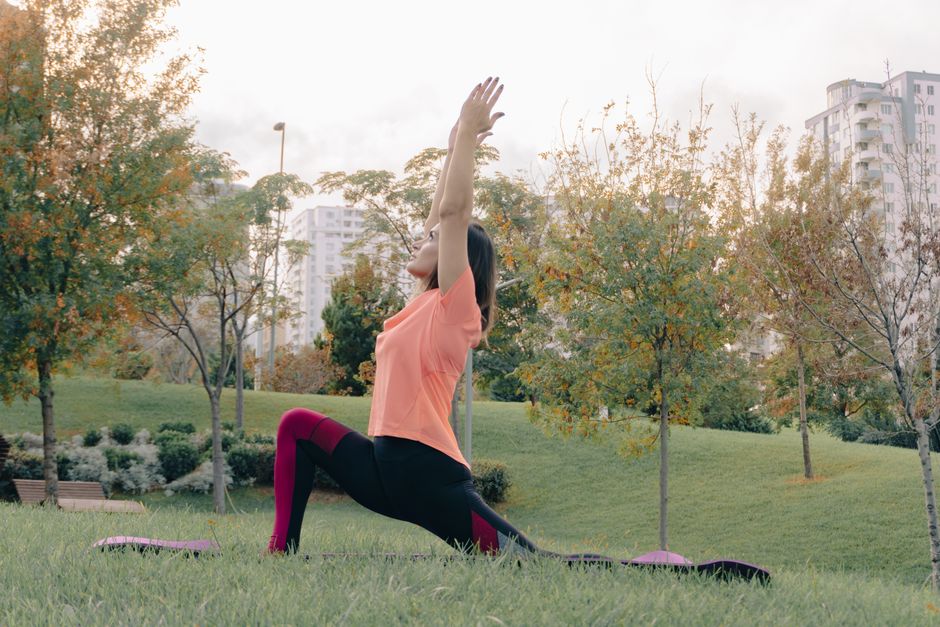
Your lungs are built to last. With normal use, they can keep working for a lifetime. But they are also exposed to everything you breathe in. The good news is that your lungs have natural defense systems. They can repair damage and clear out irritants. You can support this process with daily habits, targeted exercise, and smart nutrition. The most powerful steps are not complicated. Stopping smoking, moving your body, and protecting your air quality are the foundation. Below are the key facts on how to make your lungs stronger naturally, based on established physiology and clinical evidence.
What Actually Makes Lungs Stronger?
Strength in the lungs is not like muscle strength. You cannot “bulk up” lung tissue. Lung strength is really about capacity and efficiency. It means your lungs can move air in and out easily, and your blood can pick up oxygen effectively.
Two main factors control this. First is the diaphragm, the large muscle below your lungs. When it is strong, you breathe deeper with less effort. Second is the elasticity of lung tissue itself. Healthy lungs bounce back like a balloon. Stiff lungs make breathing harder.
You can improve both. The diaphragm responds to exercise like any muscle. Lung elasticity is preserved by avoiding damage and reducing inflammation. These two goals guide every natural strategy that works.
How To Make Your Lungs Stronger Naturally With Exercise
Exercise is the single most effective natural way to improve lung function. It does not change the size of your lungs, but it trains your body to use oxygen more efficiently. Your muscles learn to extract more oxygen from your blood. Your heart pumps more effectively. Your breathing rate and depth improve.
Aerobic exercise is the core of this. Brisk walking, cycling, swimming, or jogging all work. The goal is to raise your heart rate and keep it elevated for sustained periods. This forces your lungs to work harder and adapt. Over weeks and months, everyday activities feel easier because your breathing efficiency improves.
Consistency matters more than intensity. Thirty minutes of moderate aerobic activity on most days is a common clinical recommendation for general health. If you are new to exercise, start with shorter sessions. Even ten minutes of walking has benefits. The key is regularity.
Resistance training also helps. Stronger core and chest muscles support the mechanics of breathing. Exercises like planks, push-ups, and rowing motions strengthen the muscles involved in inhalation and exhalation. This does not directly change lung tissue, but it makes the act of breathing less tiring.
Breathing Exercises That Have Real Evidence
Some breathing techniques have solid clinical backing. Others are mostly marketing. The ones below are the ones with genuine physiological support.
Diaphragmatic breathing is the most studied. Most people breathe shallowly using their chest and neck muscles. This is inefficient. Diaphragmatic breathing trains you to use your diaphragm fully. Place one hand on your chest and one on your belly. Breathe in slowly through your nose. Your belly should rise more than your chest. Exhale slowly through pursed lips. Practicing this for five minutes twice daily can improve breathing efficiency over time.
Pursed-lip breathing is another evidence-based technique. Inhale through your nose for two seconds. Purse your lips like you are blowing through a straw. Exhale slowly for four seconds. This creates mild back-pressure in your airways. It keeps small airways open longer and helps release trapped air. It is commonly taught in pulmonary rehabilitation programs.
These exercises are not a replacement for medical treatment. But they are safe for most healthy adults. They are also genuinely helpful for people with conditions like COPD. Some research suggests they can reduce breathlessness and improve exercise tolerance.




Nutrition That Supports Lung Health
No food can instantly strengthen lungs. But long-term dietary patterns influence lung health. The evidence is strongest for antioxidant-rich foods. These compounds help neutralize oxidative stress, which damages lung tissue over time.
Fruits and vegetables are the primary source. Apples, berries, leafy greens, and cruciferous vegetables like broccoli and Brussels sprouts appear consistently in lung health research. One large observational study found that people who ate more apples and tomatoes had slower age-related decline in lung function. These findings are observational, meaning they show a link, not proof of cause.
Omega-3 fatty acids also have supporting evidence. These healthy fats, found in fatty fish like salmon and sardines, have anti-inflammatory properties. Some studies suggest higher omega-3 intake is associated with better lung function. The evidence is promising but not definitive.
Vitamin D deserves attention. Low levels are linked to worse respiratory outcomes, including increased risk of respiratory infections. If you are deficient, supplementation may help. But do not take high doses without knowing your blood level. Ask your doctor for a test first.
Be cautious with supplement marketing. Many products claim to “cleanse” or “detoxify” the lungs. No clinical evidence supports these claims. The lungs have their own cleaning system. They do not need a supplement to do it.
The Role of Hydration and Humidity
Hydration plays a supporting role in lung function. The inner lining of your airways needs moisture to work properly. Thin mucus traps particles and bacteria, and tiny hair-like structures called cilia sweep it upward to be coughed out or swallowed. When you are dehydrated, mucus becomes thick and sticky. The cilia cannot move it efficiently.
Plain water is the best choice. There is no magic amount that specifically benefits lungs. General hydration guidance applies. If your urine is pale yellow, you are likely adequately hydrated.
Humidity matters too. Dry air can irritate airways and worsen coughing. Indoor humidity between 30 and 50 percent is generally comfortable for respiratory health. If your home is very dry, especially in winter, a humidifier can help. Just clean it regularly. Dirty humidifiers can release mold and bacteria into the air.
Protecting Your Lungs From Daily Damage
Strengthening lungs is half the story. Avoiding damage is the other half. The best exercise routine cannot undo the effects of ongoing exposure to irritants.
Smoking is the most destructive habit for lung health. It damages the airways, destroys the air sacs where oxygen exchange happens, and paralyzes the cilia that clean the lungs. The damage is cumulative. Quitting at any age slows further decline. Some lung function recovery is possible after quitting, especially in the first year.
Secondhand smoke is also harmful. If you live with a smoker, encouraging them to quit or at least smoke outside protects your lungs too.
Indoor air pollution is often overlooked. Radon gas, mold, and volatile organic compounds from cleaning products and new furniture can all irritate lungs. Ventilation is the simplest fix. Open windows when weather allows. Use exhaust fans in kitchens and bathrooms. Choose fragrance-free cleaning products when possible.
Outdoor air pollution is harder to control. On days with poor air quality, limit strenuous outdoor exercise. If you live in a city with frequent smog, consider an air purifier with a HEPA filter for your bedroom.
What Does Not Work: Myths To Ignore
Several viral trends claim to strengthen lungs. Most have no evidence behind them.
Steam inhalation is a common one. Breathing in steam from a bowl of hot water is often promoted as a way to “open airways.” It may temporarily soothe irritated tissue, but it does not strengthen lungs. It also carries a burn risk. Hot water can easily splash and cause serious injury.
Lung detox teas and supplements are another myth. No tea or capsule can remove toxins from your lungs. Your body does this on its own. Products making these claims are relying on placebo effects and marketing language.
Holding your breath for long periods is sometimes promoted as a lung-strengthening exercise. It does increase your tolerance to carbon dioxide, but it does not improve oxygen uptake or lung capacity. It can even be dangerous if done to extremes.
Spicy foods are often said to “clear” the lungs. They may make your nose run and eyes water, but they do nothing for the deep airways or lung tissue.
When To See a Doctor
Some breathing changes are normal. Some are not. If you notice any of the following, do not try to fix it on your own. See a healthcare provider.
- Shortness of breath that is new or getting worse
- Wheezing or a whistling sound when you breathe
- A cough that lasts more than three weeks
- Coughing up blood
- Chest pain that happens with breathing
- Frequent respiratory infections
These symptoms can have many causes. Some are minor. Some are serious. A doctor can run simple tests like spirometry to measure how well your lungs are working. Early detection makes a real difference for many lung conditions.
Frequently Asked Questions
Can lung function be improved after years of smoking?
Yes, but recovery is partial. Quitting stops further damage, and some lung function can improve over the following months and years. The exact amount of recovery depends on how long you smoked and how much damage already occurred.
How long does it take for exercise to improve lung function?
Most people notice improved breathing efficiency within four to six weeks of regular aerobic exercise. This is the time it takes for your muscles and heart to adapt to using oxygen more effectively.
Are breathing exercises better than aerobic exercise for lung health?
No. Aerobic exercise has stronger evidence for improving overall lung function and oxygen use. Breathing exercises are a useful addition, especially for people with breathing pattern problems, but they are not a substitute for cardio.
Can supplements make your lungs stronger?
No clinical evidence confirms that any supplement directly strengthens lung tissue. Some nutrients like vitamin D and omega-3s support overall respiratory health, but they do not replace exercise, quitting smoking, or avoiding air pollution.
