
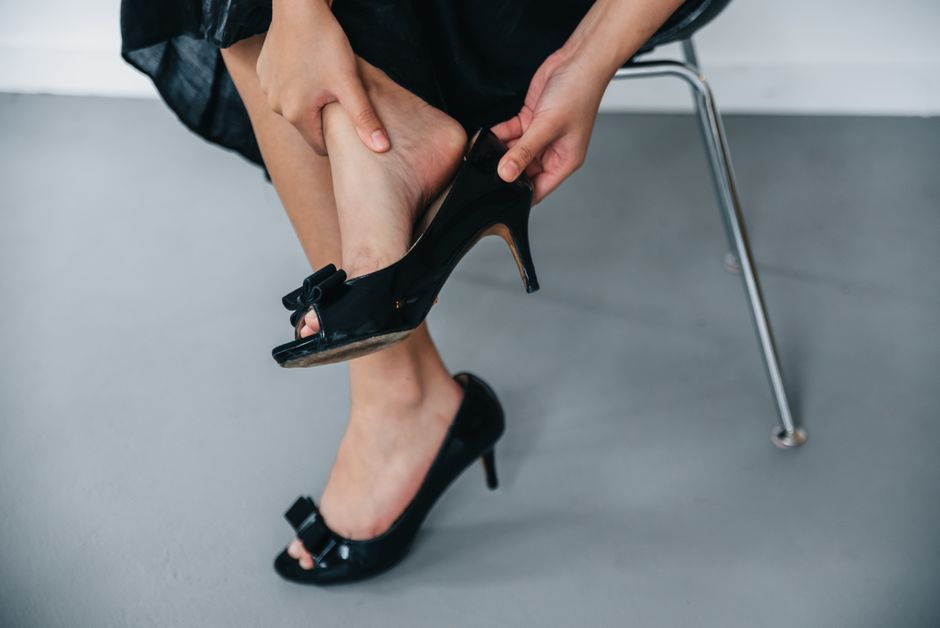
Corns are small, round areas of thickened skin that form on the feet, usually over a bony prominence like a toe joint. They develop from repeated friction and pressure, most often from ill-fitting shoes. The hard center of a corn presses into the skin beneath it, which is what causes the pain. Home treatment works best when you remove the source of pressure and soften the thickened skin over time. The most effective home remedies involve daily filing with a pumice stone after soaking, consistent use of moisturizers containing urea or salicylic acid, and changing footwear to reduce friction. These methods are safe for most people, but they take patience and daily effort.
What Causes Corns on Feet and How Do They Form?
Corns form as a protective response. When skin experiences repeated rubbing or pressure, it produces extra layers of cells to shield the deeper tissue. This is the same process that creates calluses. The difference is that corns have a central core of dense skin that presses downward into the nerve endings below, which is why they hurt.
Poorly fitting shoes are the most common cause. Shoes that are too tight across the toes, or too loose so the foot slides forward, create friction with every step. High heels concentrate pressure on the front of the foot. Socks that bunch up inside shoes can also contribute. Some people are more prone to corns due to foot structure, such as hammertoes or bunions, which change how the foot sits in a shoe.
Understanding the cause matters because treating the corn without fixing the pressure source will not work long-term. The skin will simply reform the corn. Effective home treatment always addresses both the thickened skin and the footwear that created it.
What Home Remedies Actually Work for Corns?
Several home approaches have consistent evidence behind them. The most reliable is a combination of soaking, gentle filing, and moisturizing. This physically removes the thickened layers over time without harsh chemicals.
Start by soaking your feet in warm water for 10 to 15 minutes. This softens the keratin, the protein that makes up the corn. After soaking, gently rub the corn with a pumice stone or a foot file using small circular motions. The goal is to remove thin layers, not to grind the corn down in one session. Over-filing can damage healthy skin and increase infection risk. After filing, apply a thick moisturizer. Products containing urea are particularly effective because urea breaks down keratin. Salicylic acid plasters are another proven option. These medicated pads slowly dissolve the corn over several days. Follow the package directions exactly and never use them on broken skin or if you have diabetes or poor circulation.
Consistency beats intensity. Filing once a day for two weeks is more effective than one aggressive session. Most people see noticeable improvement within one to two weeks of daily care.
How To Remove Corn From Feet Home Remedies That Work: Step-by-Step
Here is a practical daily routine that combines the most effective home methods. Follow this sequence once per day, ideally after a shower or bath when skin is already soft.
- Soak your feet in warm, soapy water for 10 to 15 minutes.
- Pat your feet dry with a clean towel.
- Use a pumice stone or foot file to gently rub the corn in a circular motion. Remove only the top layer of dead skin. Stop if you see pink or raw skin.
- Rinse the area and dry it completely.
- Apply a moisturizer containing urea or ammonium lactate. These ingredients soften the skin and prevent the corn from hardening again.
- If using a salicylic acid pad or drop, apply it at this point and cover with a bandage. Do not use salicylic acid and urea products at the same time unless a doctor advises it, as this can over-irritate the skin.
This routine works because it addresses both the existing corn and the skin’s tendency to rebuild it. The filing removes the buildup. The moisturizer keeps the skin supple so pressure is distributed more evenly. The salicylic acid, when used, chemically dissolves the keratin core that filing cannot always reach.
Expect this to take time. A corn that has been present for months will not disappear in a day. Most people see the corn shrink within one to two weeks of daily treatment. Full removal can take several weeks depending on the corn’s size and depth.





What Should You Not Do When Treating Corns at Home?
Some popular home remedies are ineffective or potentially harmful. These should be avoided.
Do not cut the corn with a razor blade, scissors, or a knife. This is one of the most important safety rules in foot care. Cutting a corn at home can easily damage healthy tissue, introduce bacteria, and lead to infection. Podiatrists are trained to debride corns safely with sterile instruments. You should not attempt this at home.
Do not use acid plasters on broken skin, inflamed skin, or if you have any numbness in your feet. Salicylic acid can burn healthy tissue if it spreads beyond the corn. If you have diabetes, peripheral neuropathy, or any condition that reduces blood flow to your feet, do not use over-the-counter corn removers at all. The risk of unrecognized injury is too high. See a podiatrist instead.
Do not try “apple cider vinegar soaks” or “lemon juice” as a primary treatment. These acidic household products have no clinical evidence supporting their use for corns. They can irritate the skin and cause chemical burns, especially if used daily. Some people report softening effects, but this is likely from the soaking itself, not the vinegar. Plain warm water works just as well without the irritation risk.
Do not ignore persistent pain. If a corn is extremely painful, bleeds, shows signs of infection like redness and warmth, or does not improve after two weeks of consistent home care, stop home treatment and see a healthcare provider.
How To Prevent Corns From Coming Back
Prevention is more important than treatment. A corn that is removed will return if the pressure that caused it remains. The most effective prevention is footwear change.
Choose shoes with a wide toe box that allows your toes to move freely. Avoid pointed shoes that squeeze the toes together. Shoes should fit snugly at the heel but not compress the forefoot. If you wear high heels regularly, consider reducing how often you wear them. Heels above two inches significantly increase forefoot pressure.
Consider using toe spacers or corn pads. Toe spacers, which are small silicone wedges placed between toes, can reduce friction where toes rub together. Donut-shaped foam pads placed around the corn can redistribute pressure away from the affected area. These are available at most pharmacies. They do not treat the corn itself but they prevent worsening and reduce pain during the healing process.
Moisturizing daily even after the corn is gone helps. Well-hydrated skin is more flexible and less likely to form hard, thick areas. People who are prone to corns may benefit from a daily foot moisturizer as part of their routine.
When Should You See a Doctor Instead of Using Home Remedies?
Home treatment is appropriate for most simple corns in otherwise healthy people. Some situations require professional care.
If you have diabetes, you should not self-treat corns. Diabetes can reduce blood flow and sensation in the feet. A small cut from filing can become a serious infection that goes unnoticed. The American Diabetes Association and most podiatry organizations recommend that people with diabetes have foot problems evaluated by a professional rather than treating them at home.
If you have peripheral artery disease, which reduces blood flow to the legs, home treatment carries similar risks. Poor circulation means injured skin heals slowly and is more prone to infection.
See a podiatrist if the corn is unusually large, if you have multiple corns, if the skin around the corn is red or warm, or if the corn recurs quickly no matter what you do. A podiatrist can safely remove the corn with a scalpel, identify the underlying foot structure issue, and recommend orthotics or other corrective measures. In some cases, what looks like a corn is actually a plantar wart, which requires different treatment. A professional can distinguish between them.
Are Over-the-Counter Corn Removers Safe?
Over-the-counter corn removers are safe for healthy adults when used exactly as directed. They work through salicylic acid, which dissolves the keratin protein that makes up the corn. Most products come in a liquid, gel, or medicated pad form.
The key safety issue is precision. Salicylic acid cannot tell the difference between a corn and healthy skin. If the product spreads beyond the corn, it can burn normal tissue. Apply it only to the corn itself. Use the smallest amount that covers the area. Do not leave medicated pads on longer than the package instructs.
These products are not safe for everyone. Do not use them if you have diabetes, poor circulation, or any condition that causes numbness in your feet. Do not use them on children without a doctor’s approval. Do not use them if the skin around the corn is broken or infected. In these situations, professional care is the safer route.
Frequently Asked Questions
How long does it take for home remedies to remove a corn?
Most corns show noticeable improvement within one to two weeks of daily soaking, filing, and moisturizing. Full removal can take several weeks depending on the corn’s size and how long it has been present.
Can I cut a corn off with a razor blade?
No. Cutting a corn at home with a blade can damage healthy skin and cause infection. Podiatrists use sterile instruments for this procedure, so it should only be done in a professional setting.
Is apple cider vinegar effective for removing corns?
No clinical evidence supports apple cider vinegar as a corn treatment. It can irritate or burn the skin, and any softening effect comes from the soaking itself rather than the vinegar.
Are salicylic acid corn pads safe to use at home?
Salicylic acid pads are safe for healthy adults when used exactly as directed. They are not safe for people with diabetes, poor circulation, or broken skin around the corn.
