
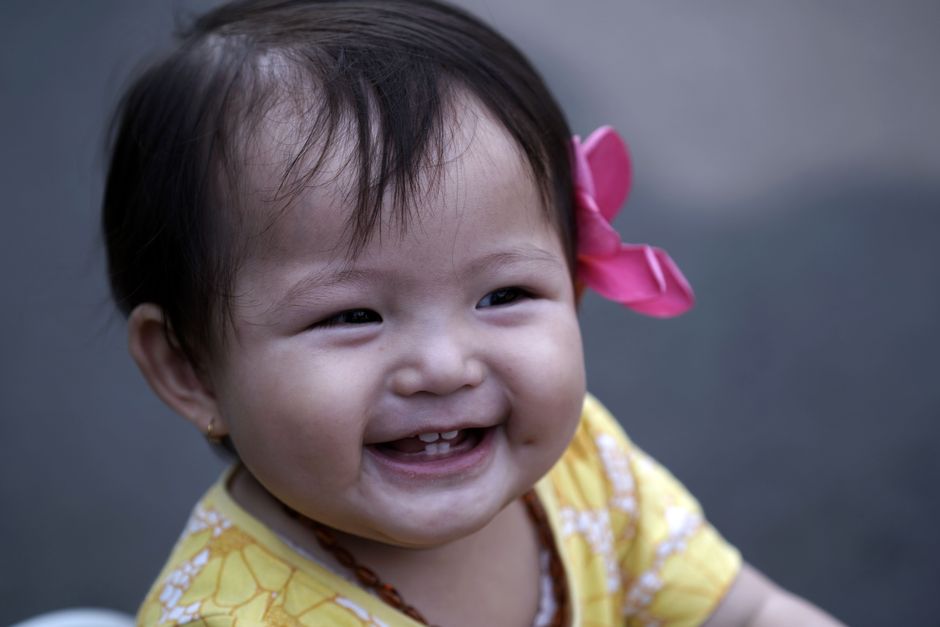
Teething is a normal part of baby development, but it can be a confusing and stressful time for parents. Most babies cut their first tooth between 6 and 12 months, though some start earlier or later. The key signs include increased drooling, chewing on hands or objects, swollen or tender gums, irritability, and a mild rise in body temperature. You can help soothe your baby with a clean, chilled teething ring, gentle gum massage with a clean finger, and lots of extra cuddles. If your baby has a fever over 100.4°F (38°C), diarrhea, or a rash, that is likely an illness, not teething, and you should contact your pediatrician.
What Are the Most Common Signs of Teething?
Teething signs usually start a few days before a tooth breaks through the gum. The most reliable signs are directly related to the mouth and gums. You will likely notice your baby drooling more than usual. This can cause a mild rash on the chin, cheeks, or neck because the skin stays wet.
Your baby will probably chew and gnaw on anything within reach. This includes fingers, fists, toys, and crib rails. The pressure from chewing helps counteract the pressure of the tooth pushing up through the gum tissue. You may also see redness, swelling, or a small fluid-filled blister on the gum where the tooth is coming in. This is called an eruption cyst and is generally harmless.
Irritability and fussiness are common. Babies often cry more and have trouble settling. They may also wake more frequently at night. This is because the gum pain is often more noticeable when they are lying down and not distracted. Some babies experience a mild drop in appetite because sucking and chewing can hurt.
What Symptoms Are Not Caused by Teething?
It is important to separate teething myths from medical facts. Teething does not cause high fevers. It can cause a slight temperature rise, often defined as under 100.4°F (38°C), because of mild gum inflammation. A true fever is a sign of infection and needs medical attention.
Diarrhea, vomiting, and a significant decrease in wet diapers are not symptoms of teething. A full-body rash is not a symptom of teething either. Some research suggests that the stress of teething might slightly lower a baby’s immune defenses, which could make them more vulnerable to common infections. However, the symptoms themselves are from the illness, not the teeth.
If your baby has a fever, diarrhea, or is acting very lethargic, do not assume it is teething. Contact your pediatrician. It is safer to have a doctor rule out an ear infection, a viral illness, or another health issue.
How To Tell A Baby Is Teething Signs Remedies: What Actually Works?
When you are sure it is teething, the goal is to reduce inflammation and provide counter-pressure. Simple, safe remedies work best for most babies.
Chilled (not frozen) teething rings are a first-line option. The cold numbs the gums slightly, and the texture gives the baby something safe to bite. Never use a frozen ring. Frozen items are hard enough to bruise delicate gum tissue or cause frostbite. Always wash the ring after use and follow the manufacturer’s cleaning instructions.
Clean finger massage works well. Wash your hands thoroughly, then gently rub your baby’s gums with a clean finger. The pressure can be very soothing. Some parents use a clean, damp washcloth that has been chilled in the refrigerator. Let the baby chew on the cloth, but always supervise to prevent choking.
Extra comfort matters. Babies in pain want reassurance. Offer more cuddles, rocking, or a warm bath. Distraction is also a powerful tool. A new toy, a song, or a walk outside can shift your baby’s focus away from the discomfort.





Which Pain Relievers Are Safe for Teething?
If home remedies are not enough, pain medication can help. For babies older than 6 months, infant acetaminophen (Tylenol) is commonly used. For babies older than 6 months, ibuprofen (Motrin or Advil) is also an option. Always use the dosing device that comes with the medicine. Never use a kitchen spoon.
Always confirm the correct dose with your pediatrician, especially for infants. Dosing is based on weight, not age. Do not give ibuprofen to a baby under 6 months unless a doctor specifically tells you to. Do not give aspirin to a child under 19 years old due to the risk of Reye’s syndrome, a rare but serious condition.
There are also topical gels that you rub on the gums. Be very careful with these. Many contain benzocaine, which the FDA warns can cause methemoglobinemia, a rare but serious condition that reduces oxygen in the blood. Do not use benzocaine products on children under 2 years old. Homeopathic teething tablets and gels have been linked to inconsistent ingredients and safety concerns. The FDA has warned against them. They are not a safe choice.
Some clinicians recommend a simple sugar-free teething biscuit for babies who are already eating solids. Always supervise your baby during eating to prevent choking. If the biscuit breaks into large pieces, take it away.
When Should I Call the Doctor?
Most teething discomfort can be managed at home. However, you should call your pediatrician if your baby has a fever higher than 100.4°F (38°C). Call if diarrhea lasts more than two days or if your baby refuses to drink fluids. Call if your baby is unusually fussy and cannot be consoled, or if they seem lethargic and difficult to wake.
Also call if the gum area looks infected. Signs include thick yellow or green pus, significant swelling spreading to the cheek, or a fever. While eruption cysts are normal, they should not become large or painful. When in doubt, call. It is always better to get a professional opinion than to guess.
How Long Does Teething Pain Last?
Teething pain typically lasts only a few days around the time the tooth breaks through the gum. The process is not constant. A baby may be fussy for two or three days, then seem fine for a week, then become fussy again when the next tooth is ready.
Babies have 20 primary teeth. The first ones usually appear in the front, either bottom or top. The molars, which come in later, often cause more discomfort because they are larger. The entire process of getting all 20 baby teeth takes about two to three years. By age 3, most children have a full set of primary teeth.
Remember that every baby is different. Some babies sail through teething with almost no symptoms. Others have more noticeable discomfort with every tooth. Both patterns are normal.
Can Teething Cause Sleep Problems?
Yes, teething can temporarily disrupt sleep. The discomfort can make it harder for your baby to fall asleep and stay asleep. This is usually temporary, lasting only a few nights. You can help by sticking to your normal bedtime routine as much as possible.
If your baby wakes in the night, offer comfort but try not to introduce new sleep associations that are hard to break. For example, do not start rocking your baby to sleep every night if you normally put them down drowsy but awake. Once the tooth breaks through, the sleep disruption usually resolves.
Frequently Asked Questions
How early do babies start teething?
Most babies get their first tooth between 6 and 12 months, but it can happen as early as 3 months or as late as 14 months. Early or late teething is usually normal and not a cause for concern.
Is a fever a sign of teething?
Teething can cause a slight temperature rise, typically under 100.4°F (38°C). A true fever above that level is not caused by teething and is likely an illness that needs medical attention.
Are frozen teething rings safe for babies?
No, frozen teething rings are not safe. They are too hard and can bruise gums or cause frostbite. A chilled ring from the refrigerator is safe and effective.
Is teething gel safe for babies?
Most teething gels are not recommended. Gels with benzocaine are unsafe for children under 2 years old, and homeopathic tablets are not well regulated. Chilled rings and gum massage are safer options.
