
Chin hair is common, and for many women it is more than a cosmetic annoyance. The only method that removes chin hair permanently is one that destroys the hair follicle itself, and that is done through electrolysis or laser hair removal. Nothing you apply at home removes the follicle for good. Home methods manage the hair between professional sessions, and they are worth understanding so you can choose safely.
Why Do Women Get Chin Hair?
Chin hair usually comes down to hormones. After menopause, estrogen levels fall while androgens such as testosterone stay relatively stable. That shift can make existing facial hair thicker and more visible. It is a normal part of aging for many women, not a sign that something is wrong.
Genetics matter too. If your mother or grandmother had chin hair, you are more likely to have it. Some women simply have follicles on the chin that are more sensitive to androgens than follicles elsewhere on the body.
Certain medical conditions can also drive facial hair growth. Polycystic ovary syndrome (PCOS) is one of the most common. It raises androgen levels and can cause coarse hair on the chin, upper lip, and jaw, along with irregular periods and acne. Rare conditions such as adrenal disorders or androgen-secreting tumors can do the same, though these are uncommon.
One detail worth knowing: the pattern matters as much as the amount. Hair that appears suddenly, comes on fast, or shows up alongside other changes like a deepening voice or hair loss on the scalp deserves a medical evaluation rather than a cosmetic fix. A doctor can check hormone levels and rule out underlying causes.
Can You Remove Chin Hair Permanently At Home?
No home method removes chin hair permanently. This is worth stating plainly because a lot of products imply otherwise.
Permanent hair removal means destroying the follicle’s ability to regrow hair. That requires either electricity (electrolysis) or targeted light energy (laser) delivered by a trained operator. Tweezing, waxing, threading, shaving, creams, and at-home devices all work on the hair above or just below the skin surface. The follicle stays intact, so the hair comes back.
Some at-home laser and intense pulsed light (IPL) devices are marketed for facial use. These devices can reduce hair over time for some people, and results vary widely based on hair color, skin tone, and how consistently the device is used. They are not equivalent to professional laser treatment, and no at-home device is cleared to claim permanent removal. If a product promises permanent results at home, treat that claim with skepticism.
What home methods can do well is keep chin hair manageable between professional sessions or if you choose not to pursue permanent removal at all.
What Are the Home Removal Options?
Each home method has trade-offs in comfort, how long results last, and skin risk. Here is how they compare.
| Method | How long results last | Skin risk |
|---|---|---|
| Tweezing | Several days to a few weeks | Ingrown hairs, irritation |
| Waxing or threading | About 2 to 4 weeks | Redness, irritation, ingrown hairs |
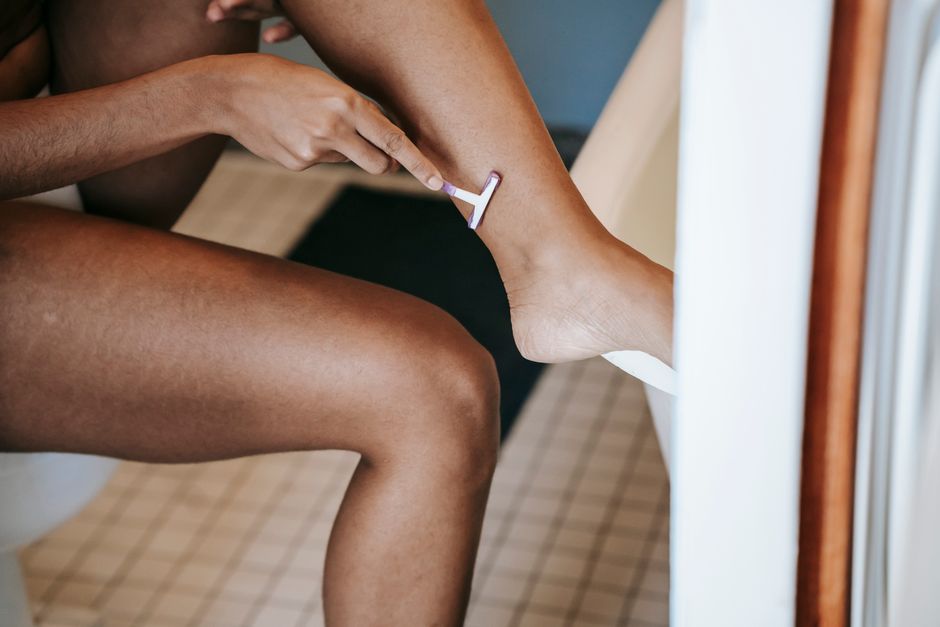
| Shaving | About 1 to 3 days | Low, but can cause razor burn |
| Depilatory creams | Several days | Chemical burns, allergic reaction |
| At-home IPL or laser devices | Weeks to months with repeated use | Burns, blistering, changes in skin color |
Tweezing is the most common approach for a few stray hairs. It is simple and cheap. The downside is that repeated tweezing can irritate the follicle and raise the risk of ingrown hairs.
Waxing and threading pull hair out in larger batches and last longer than tweezing. Both can be painful on the chin, and both can cause redness or ingrown hairs, especially on sensitive skin.
Shaving is quick and does not make hair grow back thicker. That is a myth. Shaving cuts hair at the surface, and the blunt tip can feel coarser as it grows, but the hair itself is unchanged.
Depilatory creams dissolve hair chemically. They can work, but facial skin is thin and sensitive. Chemical burns and allergic reactions are real risks, so it is worth testing a small area first and following the label carefully.
At-home IPL and laser devices are the closest thing to a home option with lasting results, but they carry real risk on the face. They work best on dark hair against lighter skin. They are less effective on light, gray, or white hair because those hairs lack the pigment the light targets. Using them on darker skin tones can cause burns or permanent changes in skin color. If you use one, follow the device instructions exactly.





What About Professional Permanent Removal?
Two professional options can produce permanent hair removal. They work in different ways, and neither is painless or cheap.
Electrolysis is the only method recognized as permanent hair removal for all hair colors and skin tones. A fine probe is inserted into each individual follicle, and a small electrical current destroys it. Because each follicle is treated one at a time, it takes many sessions and can be slow and uncomfortable. Results depend heavily on the skill of the operator.
Laser hair removal targets pigment in the hair follicle with light energy. It can produce long-lasting reduction, and many people see permanent results after a full course of treatment. It works best on dark hair and lighter skin. It is less effective on light or gray hair, and it carries risk of burns or skin color changes on darker skin tones. Multiple sessions are needed because hair grows in cycles, and only follicles in the active growth phase respond to each treatment.
Both options require a trained professional. Results vary from person to person, and no method guarantees that every hair is gone forever. Hormonal conditions like PCOS can cause new hair to develop even after treatment, so some people need occasional maintenance sessions.
When Should You See a Doctor About Chin Hair?
See a doctor if chin hair appears suddenly, gets worse quickly, or comes with other signs of high androgens. Those signs include irregular or missed periods, acne that flares up, thinning hair on the scalp, or a deepening voice. These can point to PCOS or, less often, another hormonal condition.
A doctor can check hormone levels and, if needed, recommend treatment. Options for hormone-related facial hair can include certain birth control pills or anti-androgen medications. These are prescription treatments, and they work by addressing the hormonal driver rather than the hair itself. They are not right for everyone, and a doctor is the person to decide whether they fit your situation.
If your chin hair is stable and you have no other symptoms, it is usually a cosmetic concern rather than a medical one. You can manage it at home or pursue professional removal without worrying that you are missing something serious.
How To Remove Chin Hair Permanently At Home Or Pro: What Actually Works
If permanent removal is the goal, the realistic path runs through electrolysis or professional laser treatment. Home methods are for management, not permanence. At-home IPL devices sit somewhere in between, offering possible reduction for some people but not the guaranteed permanence that marketing language often suggests.
The right choice depends on your hair color, skin tone, budget, and how much time and discomfort you are willing to accept. Dark hair on lighter skin tends to respond best to laser. Light or gray hair usually needs electrolysis. Darker skin tones need a provider experienced with those skin types to avoid burns and color changes.
Whatever you choose, be wary of any product or service that promises permanent results with no risk and no sessions. Hair removal that lasts takes either repeated professional treatment or ongoing home management. There is no shortcut that skips the follicle.
Frequently Asked Questions
Can I remove chin hair permanently at home?
No home method permanently removes chin hair because none of them destroy the hair follicle. Only electrolysis and professional laser treatment can do that.
Does plucking chin hair make it grow back thicker?
No, plucking does not change the thickness or growth rate of the hair. It can irritate the follicle and raise the risk of ingrown hairs with repeated use.
Is laser hair removal permanent for chin hair?
Laser hair removal can produce long-lasting or permanent reduction, especially on dark hair and lighter skin. It usually requires multiple sessions, and results vary by person.
When should I worry about chin hair?
See a doctor if chin hair appears suddenly, worsens quickly, or comes with irregular periods, acne, or scalp hair thinning. These can signal a hormonal condition like PCOS.
