
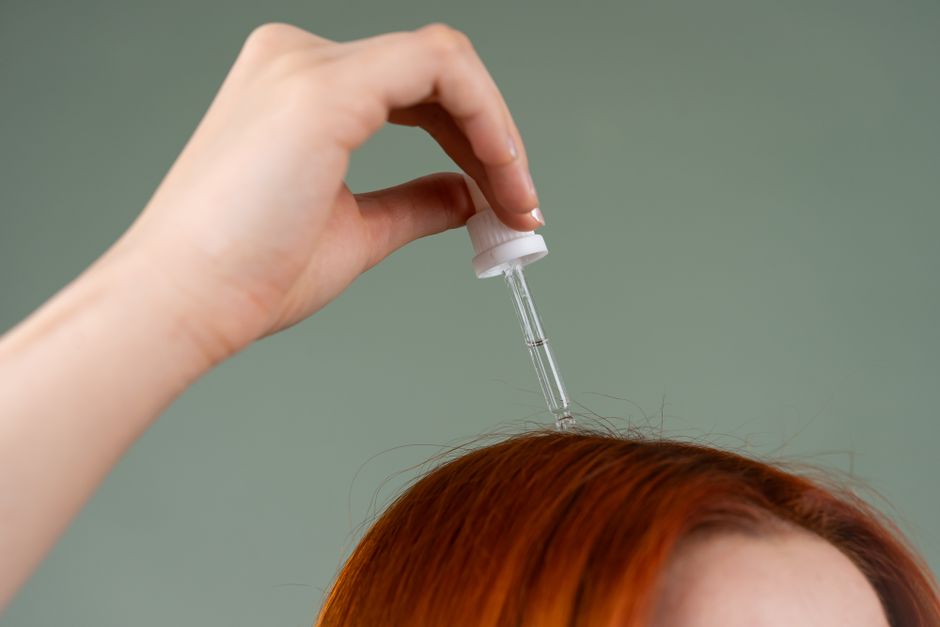
Getting rid of head lice and their eggs, called nits, is straightforward when you follow the right method. You need to kill the live lice with a medically approved treatment, then physically remove every single nit from the hair shaft using a fine-toothed comb. The process takes patience and attention to detail, but it works. Here is the exact step-by-step method that health experts recommend.
What Exactly Are Nits and Why Are They So Hard to Remove?
Nits are the eggs that adult female lice glue to individual strands of hair. They are not the same as live lice. The louse is the insect that moves and bites. The nit is the egg casing that stays stuck to the hair even after the baby louse hatches.
That glue is the reason nits are so stubborn. The female louse produces a cement-like substance that bonds the egg to the hair shaft. Regular shampoo and conditioner will not break this bond. You cannot wash nits out. You have to physically slide them off the hair strand.
The CDC reports that nits are usually found within a quarter inch of the scalp. They need the warmth of the scalp to survive. If you find a nit more than half an inch down the hair shaft, it is likely either empty or dead. That distinction matters because only nits close to the scalp are likely to hatch into new lice.
Many people mistake dandruff, hair spray residue, or dried conditioner for nits. Real nits are oval-shaped and firmly attached. They will not flick off easily with your finger. Dandruff flakes off without resistance. If you are unsure, look at the shape and try to slide it. If it does not move, it is probably a nit.
How To Remove Nits From Hair Step By Step: The Complete Method
This is the process that pediatricians and dermatologists recommend. It works for children and adults. You will need a few specific tools before you start.
Step 1: Apply a lice treatment product. Use an over-the-counter or prescription treatment that kills live lice. Products containing permethrin or pyrethrin are common first-line options. Follow the package instructions exactly. Do not leave the product on longer than directed. Do not use it more often than recommended. The American Academy of Pediatrics advises that resistance to these products is growing, so do not assume one treatment is enough.
Step 2: Wait and check. After the treatment, wait the recommended time before combing. Some products require you to rinse immediately. Others need to sit for hours. Read the label. During this waiting period, the treatment is killing live lice. It does not remove nits.
Step 3: Comb through small sections of wet hair. This is the most important step. Divide the hair into four or more sections using clips. Take one section at a time. Use a nit comb with metal teeth spaced less than 0.3 millimeters apart. Plastic combs that come with many treatments often have gaps that are too wide. A metal nit comb works better.
Step 4: Wipe the comb after each stroke. After you pull the comb through a section of hair, wipe it on a paper towel or rinse it in a bowl of water. Look at what came off. You are looking for both live lice and nits. Repeat this stroke on the same section three to four times before moving to the next section.
Step 5: Repeat the entire process every three to four days. One treatment does not kill all nits. Nits that have not yet hatched will survive the first treatment. You need to remove them before they hatch and start laying new eggs. The CDC recommends checking and combing every three to four days for at least two weeks.
Step 6: Do a final check. After two weeks, if you find no live lice and no new nits near the scalp, you are likely clear. If you still find live lice, you may need a different treatment. Some lice are resistant to common treatments. Your doctor can prescribe a stronger option like spinosad or ivermectin.
What Does the Research Say About Home Remedies for Nits?
Home remedies for lice and nits are very popular online. People recommend mayonnaise, olive oil, butter, petroleum jelly, and essential oils like tea tree oil. The idea is that these substances suffocate the lice or loosen the nit glue. The evidence for these methods is weak.
A 2018 review published in the journal Pediatric Dermatology looked at studies on home remedies. The researchers found no strong evidence that suffocation methods like mayonnaise or olive oil reliably kill lice. Some studies showed a partial effect, but not enough to recommend them as a standalone treatment.
Tea tree oil has more evidence behind it. A study in Parasitology Research found that tea tree oil killed lice in a lab setting. But the concentration needed to be effective can irritate the scalp. And no study has shown that tea tree oil removes nits. It may kill some live lice, but you still need to comb out the eggs.
Vinegar is another commonly recommended remedy for loosening nit glue. The theory is that the acid breaks down the cement. Research published in the Journal of the American Academy of Dermatology found that vinegar did not significantly help remove nits compared to water alone. The glue is surprisingly resistant to acidic solutions.
The bottom line is this: home remedies can be messy, time-consuming, and unreliable. They might reduce the number of live lice, but they will not eliminate nits. If you want to be done with the problem, stick with a treatment that kills lice and a comb that removes nits.
| Method | Kills Live Lice? | Removes Nits? | Evidence Level |
|---|---|---|---|
| Permethrin treatment | Yes | No (must comb) | Strong (CDC, AAP) |
| Metal nit comb (wet combing) | No | Yes | Strong (multiple studies) |
| Tea tree oil | Partial | No | Moderate (lab studies) |
| Mayonnaise | Unreliable | No | Weak (no strong evidence) |
| Vinegar | No | No | Weak (study showed no benefit) |


What Are the Most Common Mistakes People Make When Removing Nits?
Most treatment failures happen because of a few specific errors. Knowing them can save you time and frustration.
- Stopping too early. This is the number one reason lice come back. People treat once, see no live lice, and stop. But nits can take up to 10 days to hatch. If you stop combing, those newly hatched lice will lay more eggs. You must continue checking and combing for at least two weeks.
- Using the wrong comb. Plastic combs that come with some treatments often have teeth that are too far apart. Nits can slip through. A metal nit comb with closely spaced teeth is far more effective. You can buy one at most drugstores or online.
- Combing dry hair. Dry hair creates static and tangles. The comb will not slide through smoothly. Wet hair with conditioner applied makes the comb glide better and catches more nits. Conditioner also temporarily stuns live lice, making them easier to trap.
- Skipping sections. Combing only the back of the head or the top misses nits on the sides and near the ears. Lice prefer warm areas behind the ears and at the nape of the neck. You must comb every single section.
- Treating without checking everyone in the household. Lice spread through head-to-head contact. If one person in the house has lice, others likely do too. Treating only one person while others remain untreated guarantees reinfestation. Check everyone and treat anyone with live lice or nits close to the scalp.
Do You Need to Wash Bedding and Clothes to Get Rid of Nits?
This is a common source of anxiety. Many people think they need to wash everything in the house. The reality is more measured. The CDC states that lice cannot survive more than 48 hours off the human scalp. They also cannot lay eggs away from a warm human head.
Washing items that have been in contact with the person’s head in the last two days is reasonable. This includes pillowcases, sheets, hats, scarves, and hair brushes. Use hot water, at least 130 degrees Fahrenheit, and dry on high heat. Heat kills lice and nits.
Items that cannot be washed can be sealed in a plastic bag for two weeks. By that time, any lice or nits will be dead. Vacuuming carpets and furniture is not necessary but can provide peace of mind. The risk of getting lice from a carpet or couch is extremely low.
One thing you do not need to do is spray your home with chemical treatments. These products are not proven to prevent reinfestation and can be harmful if inhaled. Focus your energy on the person’s hair, not the environment.
When Should You See a Doctor for Lice and Nits?
Most cases of head lice can be handled at home. But some situations require medical attention. If you have used an over-the-counter treatment exactly as directed and still see live lice after two weeks, you may have a resistant strain. Your doctor can prescribe a stronger treatment.
Signs of a secondary skin infection also warrant a visit. If the scalp becomes red, swollen, warm, or has oozing sores, bacteria may have entered through scratching. This requires antibiotics. The itching from lice is caused by an allergic reaction to louse saliva. Scratching can break the skin and allow infection.
Children under two years old should not be treated with most over-the-counter lice products. The American Academy of Pediatrics recommends that parents consult a pediatrician before using any chemical treatment on a child that young. The doctor may recommend manual removal with a nit comb and conditioner only.
Pregnant or breastfeeding women should also speak with a doctor before using lice treatments. Most products are considered safe, but it is always best to confirm. Manual removal with a fine-toothed comb is a safe alternative for anyone who wants to avoid chemicals.
Frequently Asked Questions
Can you remove nits without using chemicals?
Yes, wet combing with conditioner and a metal nit comb every three to four days for two to three weeks can remove all lice and nits without chemicals.
How long does it take to remove all nits from hair?
It usually takes two to three weeks of consistent combing every three to four days to ensure all nits have been removed and no new lice have hatched.
Do nits fall off hair after treatment?
No, nits do not fall off on their own. They are glued to the hair shaft and must be physically removed with a fine-toothed comb.
What kills nits instantly?
No treatment kills nits instantly. Nits are protected inside a hard shell. Only manual removal with a nit comb removes them from the hair.
