
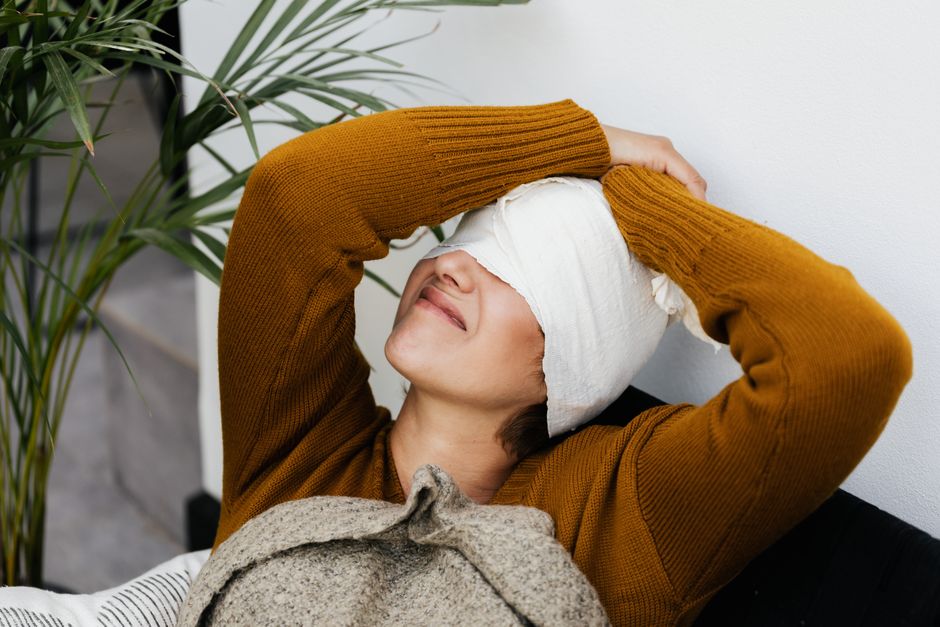
Most styes are annoying, not dangerous, and they usually drain and heal on their own within a week or two. Warm compresses are the main home treatment: a clean washcloth soaked in warm — not hot — water, held over the closed eyelid for about 10 to 15 minutes, several times a day. Never squeeze or pop a stye, and see a doctor if it keeps growing, the eyelid swells shut, or the redness spreads beyond the lid.
What Is an Eye Stye, Exactly?
A stye is a small, painful red bump on the edge of your eyelid. It happens when a tiny gland in the eyelid gets blocked and then infected.
Your eyelids contain dozens of small glands. Some make oil that coats your tears. Others sit at the base of your eyelashes. When one of these glands clogs, bacteria — most often Staphylococcus aureus — can grow inside it. The result is a tender, swollen lump.
There are two main types. An external stye (also called a hordeolum) forms at the eyelash line and points outward. An internal stye forms deeper in the eyelid and can be more painful. Both are common. Most people get one or two in their lifetime, and some people get them repeatedly.
A stye is not the same as a chalazion. A chalazion is a blocked oil gland without an active infection. It tends to be firmer, less painful, and slower to appear. The two can look similar, and sometimes a stye turns into a chalazion after the infection settles. This matters because the treatments overlap but are not identical.
How To Remove An Eye Stye At Home Or With A Doctor?
For most styes, home care is enough. The goal is to soften the blocked gland so it can drain on its own.
Here is what actually helps:
- Warm compresses. Soak a clean washcloth in warm water, wring it out, and hold it against the closed eyelid for about 10 to 15 minutes. Repeat three to four times a day. Keep the water comfortably warm, not hot enough to burn the thin skin of the eyelid.
- Gentle lid hygiene. After compresses, wipe the lid margin softly with a clean, warm cloth or a diluted tear-free baby shampoo. Do not scrub.
- Hands off. Do not squeeze, poke, or try to pop the stye. This can push infection deeper into the eyelid and surrounding tissue.
- Skip the makeup. Avoid eye makeup, contact lenses, and lotions near the eye until it heals.
What does not help: antibiotic creams from an old prescription, herbal drops, or home remedies you found online. No clinical evidence confirms that these remove a stye faster, and some can irritate the eye.
If home care is not working after a few days, or the stye is large and painful, a doctor can step in. Options include:
- Prescription antibiotic ointment or drops for an infected stye.
- Incision and drainage for a stye that has become a pocket of pus and is not draining on its own. This is a quick in-office procedure with local numbing.
- Steroid injection or surgical removal if the stye has become a chalazion that will not clear.
Steroid injections and drainage are common clinical practice, but they are reserved for styes that are not resolving. They are not first-line treatment for a typical stye.
How Long Does a Stye Take To Go Away?
Most styes drain and heal within a few days to two weeks. A small one may shrink noticeably in 48 hours. A larger one may take longer and can leave a firm lump that fades over several weeks.
The timeline depends on how blocked the gland was and whether the infection is settling. Warm compresses tend to speed drainage. If a stye is still growing or getting more painful after 48 hours of home care, that is a sign to see a doctor.
Do not judge progress by the redness alone. Redness can linger after the bump has drained. What matters is whether the swelling and pain are improving.



When Should You See a Doctor for a Stye?
Most styes do not need medical care. Some do, and the signs are worth knowing.
See a doctor if:
- The stye keeps growing after 48 hours of warm compresses.
- The eyelid swells shut or the whole eyelid is red and puffy.
- Redness or swelling spreads to the cheek or the skin around the eye.
- You have pain inside the eye, not just on the lid.
- Your vision changes or becomes blurry.
- You have a fever or feel generally unwell.
- The stye does not improve after about a week, or keeps coming back.
These signs can point to a more serious infection, such as preseptal cellulitis (infection of the eyelid tissue) or, rarely, orbital cellulitis (infection deeper in the eye socket). Orbital cellulitis is a medical emergency. It needs urgent treatment with antibiotics, sometimes given through a vein.
People with certain conditions should seek care sooner rather than later. These include diabetes, a weakened immune system, or a history of repeated styes. In these groups, a stye is more likely to spread or take longer to heal.
What Causes Styes, and Who Gets Them?
Styes happen when a gland in the eyelid gets blocked and then infected. Several things raise the odds.
- Touching your eyes with unwashed hands. This moves bacteria onto the lid margin.
- Eye makeup. Old or shared makeup, especially mascara and eyeliner, can carry bacteria. Sleeping in makeup is a common trigger.
- Contact lenses. Poor lens hygiene or sleeping in lenses can irritate the lid and trap bacteria.
- Blepharitis. This is chronic inflammation of the eyelid margin. It makes gland blockages more likely and is a frequent reason styes come back.
- Rosacea and seborrheic dermatitis. Both are linked to eyelid gland problems.
- Diabetes and high blood sugar. These can affect how well the body fights infection.
Some people simply get styes more easily because their eyelid glands are prone to clogging. If you get them often, a doctor may check for blepharitis or another underlying cause.
How Can You Prevent Styes From Coming Back?
Good eyelid hygiene is the main way to lower your risk. It is not glamorous, but it works.
- Wash your hands before touching your face or eyes.
- Remove eye makeup every night, and replace mascara every three months.
- Do not share eye makeup or towels with anyone.
- Follow your contact lens care instructions exactly. Do not sleep in lenses unless your eye doctor says it is safe for your specific lenses.
- If you have blepharitis, keep up with the lid-cleaning routine your doctor recommends.
- Manage blood sugar if you have diabetes.
There is no proven way to guarantee you will never get another stye. But consistent lid hygiene reduces the frequency for many people.
What Should You Not Do to a Stye?
Do not squeeze it. This is the single most important rule.
Squeezing a stye can push bacteria and pus into the tissue around the eye. In rare cases, infection can spread to the eye socket or beyond. The eyelid has a rich blood supply and thin tissue, so infection there can move quickly.
Other things to avoid:
- Do not use old antibiotic drops or creams left over from a previous eye problem.
- Do not use steroid eye drops unless a doctor prescribed them for this stye. Steroids can make an infection worse if used incorrectly.
- Do not try to pierce or cut the stye at home.
- Do not wear contact lenses or eye makeup until it heals.
If a stye is not draining and is causing real pain, a doctor can drain it safely in a sterile setting. That is the right time to let someone else handle it.
Do Home Remedies Actually Work?
Warm compresses are the one home treatment with solid support. Heat softens the blocked oil in the gland and improves blood flow, which helps the body clear the infection and drain the pus.
Most other popular remedies have little or no evidence behind them. Tea bags, honey, garlic, and various herbal drops are often shared online. No clinical evidence confirms that these remove a stye, and some can irritate the eye or make things worse. If a remedy claims to “cure” a stye overnight, treat that claim with suspicion.
The honest position: warm compresses, clean hands, and patience handle most styes. If that is not enough, medical treatment is available and effective.
Frequently Asked Questions
Can I pop a stye myself?
No. Popping a stye can push infection deeper into the eyelid and surrounding tissue, which can become serious.
Let it drain on its own with warm compresses, or have a doctor drain it safely if needed.
How long does a stye last without treatment?
Most styes drain and heal within a few days to two weeks without treatment.
A larger one can take longer and may leave a firm lump that fades over several weeks.
When should I worry about a stye?
See a doctor if the stye keeps growing after 48 hours, the eyelid swells shut, redness spreads to the cheek, or your vision changes.
These signs can point to a more serious infection that needs prompt treatment.
Are styes contagious?
Styes themselves are not contagious, but the bacteria involved can spread through shared towels, makeup, or hands.
Washing your hands and not sharing eye products lowers the risk of passing the bacteria to others.
