
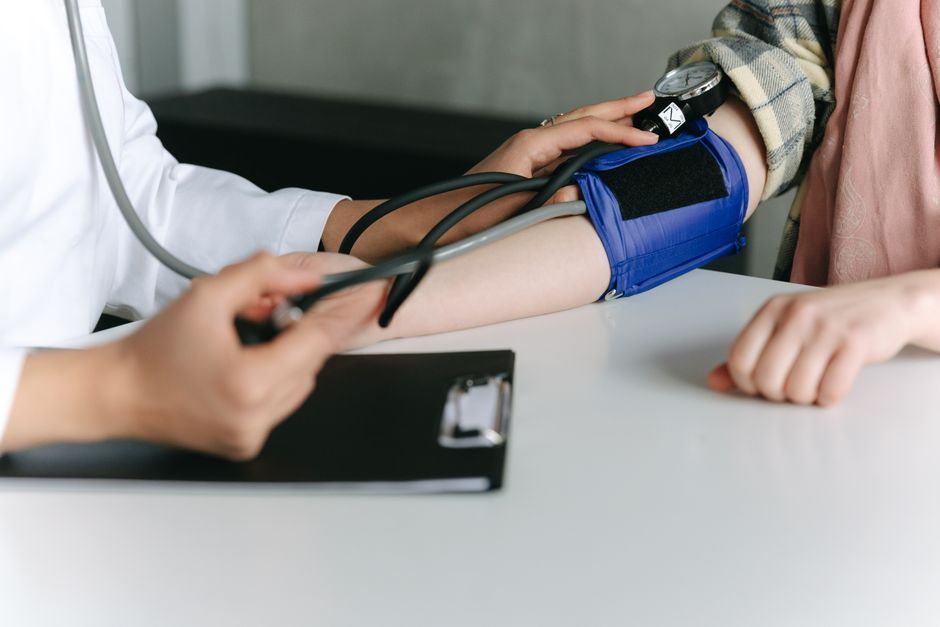
Checking your ejection fraction at home is not possible with any reliable consumer device. Ejection fraction (EF) is a specific measurement of how much blood your left ventricle pumps out with each heartbeat, and it requires medical imaging equipment to measure accurately. The only way to get a true ejection fraction number is through a doctor’s test such as an echocardiogram, MRI, nuclear stress test, or cardiac catheterization.
What Exactly Is Ejection Fraction?
Ejection fraction is a percentage. It tells you how much blood the left ventricle—the heart’s main pumping chamber—sends out to the body with each contraction.
A healthy heart does not pump out all the blood inside it. A normal ejection fraction is typically between 50% and 70%. That means the heart pushes out about half to two-thirds of the blood in the ventricle with each beat.
An EF below 40% often indicates heart failure with reduced ejection fraction. Doctors may diagnose heart failure with a “preserved” ejection fraction when the EF is normal (50% or above) but the heart does not fill properly. An EF above 70% can also be abnormal and may suggest a thick or stiff heart muscle.
Can You Check Ejection Fraction With A Smartwatch Or Fitness Tracker?
No. No smartwatch, fitness ring, or home monitor can measure ejection fraction. Consumer wearables track heart rate, heart rhythm, and in some cases blood oxygen levels. None of these devices can see inside your heart or calculate the volume of blood pumped per beat.
Some wearables claim to estimate “cardiac output” or “stroke volume” using sensors. These estimates are not validated for clinical decision-making. They cannot replace a medical ejection fraction measurement, and no major cardiology organization recommends them for this purpose.
If you see a device marketed as being able to check ejection fraction at home, treat that claim with strong skepticism. No consumer product on the market has been cleared by the FDA for measuring ejection fraction.
How Do Doctors Measure Ejection Fraction?
Doctors use several imaging methods to measure ejection fraction. The most common is the echocardiogram, which uses sound waves to create live images of your heart. It is painless, involves no radiation, and takes about 30 to 60 minutes.
During an echocardiogram, a technician places a small probe on your chest. The probe sends sound waves that bounce off heart structures. A computer turns those echoes into moving images. The doctor can then trace the heart’s chambers during filling and contracting to calculate the ejection fraction.
Other methods include:
- Cardiac MRI — the most precise method. It uses magnetic fields to create detailed 3D images of the heart. It is considered the gold standard for EF measurement.
- Nuclear stress test (MUGA scan) — uses a small amount of radioactive tracer to highlight blood flow through the heart.
- Cardiac catheterization — a thin tube is threaded through a blood vessel to the heart. Contrast dye is injected so X-rays can show the pumping chambers.
Each method has strengths. An echocardiogram is the most widely used because it is fast, safe, and readily available. Cardiac MRI is more accurate but more expensive and less accessible.





What Happens During An Echocardiogram?
You lie on your left side on an exam table. A gel is applied to your chest to help sound waves travel. The technician moves the probe across your chest to capture different angles of your heart.
You may be asked to breathe in or hold your breath briefly. The test is completely painless. There are no needles and no radiation involved.
After the test, a cardiologist reviews the images and calculates your ejection fraction. You typically get results within a few days. Some clinics provide preliminary numbers the same day.
Why Is Ejection Fraction Important?
Ejection fraction helps doctors classify heart failure and choose treatment. It is one of the most important numbers in cardiology.
Heart failure with reduced ejection fraction (HFrEF) means the heart muscle is weak and does not squeeze forcefully. An EF of 40% or less falls into this category. Medications such as ACE inhibitors, beta-blockers, and certain newer drugs have been shown in large clinical trials to improve survival in people with HFrEF.
Heart failure with preserved ejection fraction (HFpEF) means the EF is normal but the heart is stiff and does not fill properly. This condition is harder to treat, and different medications are used.
Ejection fraction also helps doctors determine the right treatment for other heart conditions, including valve disease and arrhythmias. It is used to decide whether someone qualifies for an implantable defibrillator. Guidelines generally recommend a defibrillator for people with an EF of 35% or less who meet specific criteria.
Can You Improve Ejection Fraction?
In some cases, yes. If a weak heart is caused by a treatable condition, the EF can improve. For example, if coronary artery disease is restricting blood flow, opening the blocked artery may help the heart pump better.
Medications are the most evidence-based way to improve EF in heart failure. Guideline-directed medical therapy for reduced EF includes drugs that reduce the heart’s workload, block harmful hormones, and help the heart remodel over time.
Lifestyle changes alone rarely raise a low ejection fraction. But they are important for overall heart health. Regular exercise, a low-sodium diet, limiting alcohol, and quitting smoking all support heart function. Weight loss can help if obesity is contributing to heart strain.
Some alternative treatments claim to “reverse” heart failure or restore normal EF. No clinical evidence supports these claims. If a product or program promises to cure a low ejection fraction without medical supervision, that is a red flag.
What Symptoms Should Prompt An Ejection Fraction Test?
Doctors typically order an ejection fraction test when someone has symptoms of heart failure. These include:
- Shortness of breath during daily activities or when lying flat
- Swelling in the legs, ankles, or feet
- Rapid or irregular heartbeat
- Persistent fatigue or weakness
- Sudden weight gain from fluid retention
People with known heart disease, prior heart attacks, or a family history of cardiomyopathy may also be tested even without symptoms. If you have any of these symptoms, see a doctor. Do not try to evaluate your heart function at home based on symptoms alone—many heart conditions produce no symptoms until they are advanced.
How Often Should Ejection Fraction Be Checked?
There is no universal schedule. The frequency depends on your condition and treatment plan.
Someone newly diagnosed with heart failure may have an EF test at diagnosis, then again a few months later to see if medications are working. People with stable heart failure might get tested every one to two years. Those with changing symptoms may need more frequent testing.
Your cardiologist will determine the right interval for you. If your symptoms change—such as new shortness of breath, chest pain, or worsening swelling—tell your doctor. You may need an earlier test.
Is There Any Home Method That Gives Useful Information?
No home method measures ejection fraction directly. But some home monitoring can help manage heart health between doctor visits.
Daily weight checks are the most valuable home practice for people with heart failure. A sudden weight gain of 2 to 3 pounds in a day or 5 pounds in a week often signals fluid retention before other symptoms appear. This can mean the heart is struggling and medications may need adjustment.
Blood pressure monitors are also useful. Keeping blood pressure in a healthy range reduces strain on the heart. Home heart rate monitoring can detect arrhythmias but cannot tell you anything about pumping strength.
These tools support your care plan. They do not replace medical imaging. Only a doctor-ordered test can give you a true ejection fraction number.
Frequently Asked Questions
Can I check my ejection fraction at home?
No. Ejection fraction requires medical imaging equipment such as an echocardiogram or MRI. No home device or wearable can measure it accurately.
What is a normal ejection fraction?
A normal ejection fraction is between 50% and 70%. Below 40% indicates a weak heart pump, while above 70% may suggest a stiff heart muscle.
How long does an ejection fraction test take?
An echocardiogram takes about 30 to 60 minutes. A cardiac MRI takes roughly 45 to 90 minutes depending on the specific protocol.
What does an ejection fraction of 35% mean?
An EF of 35% means the heart pumps out about a third of the blood in its main chamber with each beat. This is significantly reduced and typically qualifies as heart failure with reduced ejection fraction.
