
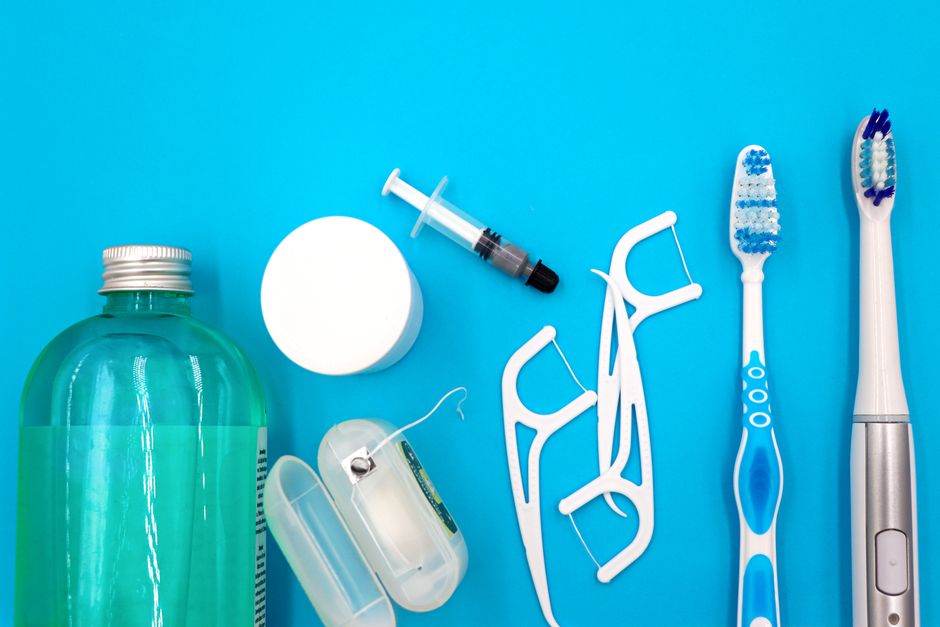
Calculus is the hard, crusty deposit that forms on your teeth when plaque is left undisturbed and mineralizes. You cannot remove it at home with a toothbrush, toothpaste, or any DIY scraping method. The only safe and effective removal is a professional dental cleaning, where a dentist or dental hygienist uses specialized instruments to break it off below and above the gumline.
What Exactly Is Calculus and Why Can’t You Brush It Off?
Calculus, also called tartar, begins as dental plaque — a sticky film of bacteria and food debris. When plaque sits on your teeth for roughly 24 to 72 hours, minerals in your saliva harden it into a cement-like substance. Once that hardening happens, brushing and flossing simply slide over it. The surface of calculus is rough, which makes it even easier for new plaque to stick and form more layers.
Think of plaque as wet mud and calculus as dried clay. You can wipe away mud with a cloth, but dried clay needs a chisel or a hard scraper. That scraper is what your dental professional uses, and it requires skill to use without damaging your tooth enamel or gums.
Can You Remove Calculus At Home Safely?
The short answer is no. There is no home remedy, no special toothpaste, and no over-the-counter tool that can remove hardened calculus safely. Some products claim to “dissolve” tartar with acids or enzymes. No clinical evidence confirms that any of these products can remove established calculus from the tooth surface.
DIY scraping kits sold online are especially dangerous. These metal tools can easily cut your gums, scratch the enamel, and push bacteria deeper under the gumline. You cannot see what you are doing, and you have no way to tell where the calculus ends and your tooth structure begins. The risk of permanent damage is real.
Some people try home remedies like baking soda, hydrogen peroxide, or vinegar. These may help reduce plaque and surface stains to a small degree, but they have no proven effect on hard calculus. Vinegar is acidic and can erode enamel if used repeatedly. Baking soda is abrasive and can wear away the protective outer layer of your teeth over time.
What Happens During a Professional Calculus Removal?
A professional cleaning, known as scaling and root planing when it is more involved, is the only established method for removing calculus. The process typically starts with a visual exam to find deposits above and below the gumline.
Your dentist or hygienist uses two main types of instruments:
- Hand scalers and curettes — thin metal tools designed to scrape calculus off the tooth surface and from under the gumline.
- Ultrasonic scalers — devices that use vibration and a water spray to break up larger deposits and flush them away.
After scaling, the teeth are polished with a gritty paste to remove surface stains and smooth the enamel. Smooth teeth make it harder for plaque to reattach. If calculus has formed deep pockets below the gumline, your clinician may need to numb the area and perform a deeper cleaning called root planing, which smooths the tooth root to help gums reattach.
The procedure is generally not painful when calculus is limited to above the gumline. Deeper cleanings can cause some discomfort, which is why local anesthesia is often used. You may feel sensitivity to hot and cold for a few days afterward, but this usually resolves on its own.




What Happens If You Leave Calculus on Your Teeth?
Calculus is not just a cosmetic issue. The rough surface traps more bacteria, and those bacteria produce acids and toxins that irritate the gums. This irritation leads to gingivitis, the early stage of gum disease, marked by red, swollen, or bleeding gums.
If left untreated, gingivitis can progress to periodontitis. In periodontitis, the inflammation spreads below the gumline and destroys the bone and tissue that hold your teeth in place. This damage is irreversible. Teeth can loosen and eventually fall out. Research consistently shows that calculus removal and good oral hygiene are the primary ways to prevent this progression.
Calculus also makes it harder to keep your mouth clean. The rough surface collects more plaque, which leads to more calculus, which leads to more inflammation. It is a cycle that only a professional cleaning can break.
How Often Do You Need Professional Cleanings?
For most people, a professional cleaning every six months is enough to keep calculus under control. This interval is based on the typical rate at which plaque mineralizes and the standard recommendation in dental practice.
Some people form calculus faster than others. Saliva composition, diet, genetics, and oral hygiene habits all play a role. People with a history of gum disease, heavy calculus buildup, or certain medical conditions such as diabetes may need cleanings every three to four months. Your dentist is the best judge of your individual interval.
If you have not had a cleaning in years, one visit may not be enough. Heavy buildup may require multiple appointments, and deeper cleanings may be needed if gum disease has developed. The dentist will assess your situation and create a treatment plan specific to your needs.
How To Prevent Calculus From Forming in the First Place
Prevention is the only real way to keep calculus at bay between professional cleanings. The goal is to remove plaque before it has a chance to mineralize.
Brush twice a day for two full minutes with a fluoride toothpaste. Pay special attention to the back teeth and along the gumline, where calculus tends to form first. An electric toothbrush with a pressure sensor can help you brush thoroughly without pressing too hard.
Floss once a day. Flossing removes plaque from between teeth, where a toothbrush cannot reach. If you find traditional floss difficult to handle, interdental brushes or a water flosser are reasonable alternatives. Some evidence suggests that interdental brushes remove plaque more effectively than floss for people with wider gaps between teeth.
Watch your diet. Sugary and starchy foods feed the bacteria that create plaque. Limiting snacks between meals reduces the time your teeth are under bacterial attack. Chewing sugar-free gum after meals can stimulate saliva flow, which helps wash away food particles and neutralize acids.
Are There Any Products That Can Slow Calculus Formation?
Some toothpaste and mouthwash products contain ingredients that may slow the buildup of new calculus. These are called antitartar or anticalculus agents. The most common ingredient is pyrophosphate, and some products contain zinc citrate or triclosan.
Research shows these products can reduce new calculus formation by a modest amount. They do not remove existing calculus, and they are not a substitute for professional cleaning. They work by interfering with the crystallization process that turns plaque into calculus.
If you are prone to heavy calculus buildup, ask your dentist whether an antitartar toothpaste is worth trying. It may help extend the time between cleanings, but it will not eliminate the need for them.
Frequently Asked Questions
Can I scrape off calculus myself with a metal tool?
No. DIY scraping can cut your gums, damage enamel, and push bacteria deeper under the gumline.
Does baking soda remove calculus from teeth?
No. Baking soda is abrasive and may remove some surface stains, but it cannot break down hard calculus deposits.
How long does it take for plaque to turn into calculus?
Plaque can begin to mineralize within 24 to 72 hours if it is not removed by brushing and flossing.
Is it safe to skip dental cleanings if I brush and floss well?
No. Even excellent home care misses plaque in hard-to-reach areas, and only a professional can remove calculus that has already formed.
