
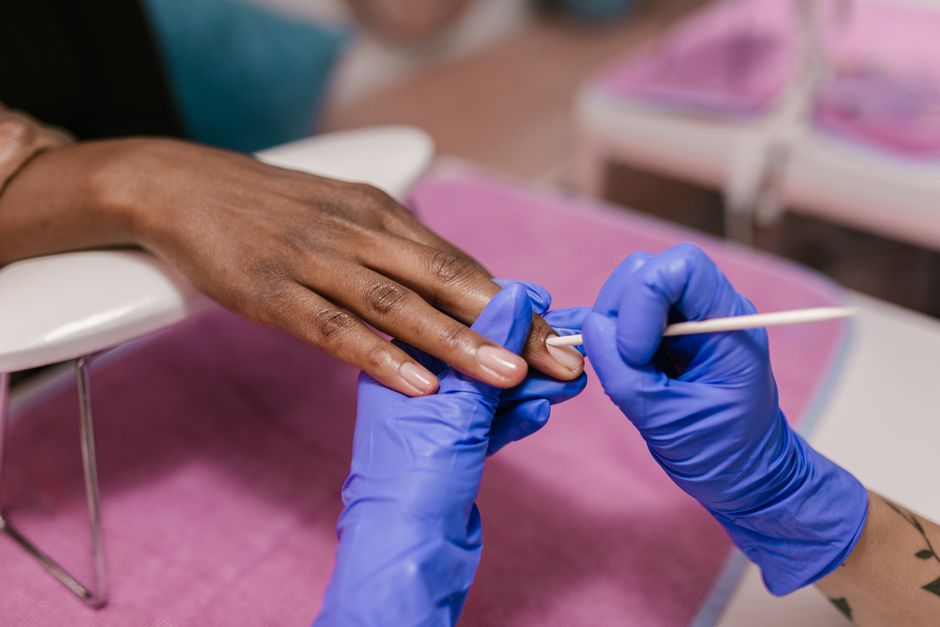
Gelish nail polish is a brand of gel nail polish that requires soaking in acetone to break down the cured polymer. The most reliable removal method is the foil wrap technique: file the shiny top coat, soak cotton balls in pure acetone, place them on each nail, wrap with foil, and wait 10–15 minutes. After soaking, gently push the softened gel off with a cuticle pusher—never scrape or peel it.
Why Can’t You Just Use Regular Nail Polish Remover?
Regular nail polish remover usually contains acetone or ethyl acetate, but the concentration is often too low to soften gel polish. Gel polish is a photo-initiated polymer that cures under UV or LED light into a hard plastic-like film. Standard removers are designed for lacquer, not cured polymers.
Pure acetone is the solvent that reliably breaks the bonds in cured gel. Most drugstore removers labeled “non-acetone” will not work at all. Even acetone-based removers with added moisturizers or fragrances may take longer or require multiple soaks.
If you only have regular remover on hand, you can try a longer soak, but expect poor results. The gel may soften unevenly or not at all.
What You Need Before You Start
Gathering the right supplies makes removal faster and safer. You will need:
- Pure acetone (100% acetone, not diluted)
- Cotton balls or cotton pads
- Aluminum foil cut into 10 small squares
- A nail file (180-grit or coarser)
- A cuticle pusher or orange stick
- Cuticle oil or rich hand cream
Do not use plastic wrap instead of foil. Foil holds heat and creates a tighter seal, which helps the acetone work faster. Some people use acetone clips or silicone finger caps, which also work well.
Step-by-Step: The Foil Wrap Method
Start by washing your hands with soap and water. This removes surface oils that can slow acetone penetration. Dry your hands completely.
File the top layer of each nail. The shiny top coat is a barrier that prevents acetone from reaching the color layers beneath. Use a coarse file and gently buff the entire surface until it looks dull. Do not file down to the natural nail—you only need to break the seal.
Soak a cotton ball in acetone. You want it saturated but not dripping. Place the cotton directly on the nail plate, covering the entire surface. Wrap the fingertip tightly with a square of foil, pressing the foil around the finger to create a snug seal.
Repeat for all ten fingers. Wait 10–15 minutes. Some thicker applications or darker colors may need up to 20 minutes.
After the time is up, remove the foil and cotton from one finger. Test the gel by gently pressing a cuticle pusher against the surface. If the gel lifts easily, it is ready. If it resists, rewrap that finger and wait another 5 minutes.
Push the softened gel off with the flat end of a cuticle pusher. Use light, sweeping motions from the base of the nail toward the tip. The gel should slide off in sheets or chunks. If it does not move easily, it needs more soak time.



What to Do If the Gel Won’t Come Off
Stubborn gel usually means the top coat was not filed enough or the soak time was too short. Rewrap the nail and wait longer. Some gel colors, especially dark pigments, absorb acetone differently and need extra time.
Do not force the gel off with metal tools or pry it from the edges. This can peel layers of your natural nail along with the gel. The nail plate is made of keratin, and gel bonds to it tightly. Peeling can cause thinning, ridges, and splitting that takes months to grow out.
If you have already tried two full soak cycles and the gel still will not budge, it may be a different type of product. Some nail coatings, like dip powder or hard gel, require different removal methods. Hard gel does not dissolve in acetone and must be filed off by a professional.
How Long Should Removal Take?
A properly prepared soak usually takes 10–15 minutes total. This assumes you filed the top coat and used pure acetone. Skipping the filing step can double or triple the time.
Removal time also depends on how many layers of gel you are wearing. A single coat of color removes faster than a full set with builder gel underneath. Thicker applications, like those used for nail extensions, need longer soaks.
Some brands claim to offer “soak-off” gels that remove faster than others. Gelish is marketed as a soak-off gel, which means it is formulated to dissolve in acetone. Even so, the removal process follows the same steps.
Aftercare: What Your Nails Need Post-Removal
Acetone strips natural oils from the nail plate and surrounding skin. Your nails will look dry and white immediately after removal. This is temporary.
Wash your hands with mild soap and water to remove acetone residue. Apply cuticle oil to each nail and massage it into the cuticle area. Reapply cuticle oil several times a day for the next few days.
Your nails may feel thin or flexible for a week or two after gel removal. This is common, especially if you have worn gel polish continuously for months. The nail plate does not need to “breathe,” but it does need time to rehydrate and recover from any surface damage caused by filing.
Moisturizing creams with ingredients like shea butter or ceramides can help. Some research suggests that products containing hydrolyzed keratin or other proteins may help strengthen damaged nails, but clinical evidence for these claims is limited.
Common Removal Mistakes to Avoid
Peeling or biting the gel off is the most damaging mistake. When you peel gel, you pull off layers of the natural nail with it. This leaves the nail thin, pitted, and prone to breaking.
Using nail tools to scrape aggressively is another problem. A metal cuticle pusher can gouge the nail plate if you press too hard. Use light pressure and stop if you feel resistance.
Skipping the top coat filing is a common reason removal fails. The top coat is designed to be impermeable. Acetone cannot penetrate it without surface preparation.
Soaking too long is also a mistake. Leaving nails in acetone for over 30 minutes can cause excessive drying and irritation to the skin around the nail. If the gel has not softened after 20–25 minutes of total soak time, stop and reassess your technique.
When to See a Professional
If you have tried removal at home and the gel will not come off, or if your nails are already damaged, visit a licensed nail technician. They have professional-grade files and tools that can remove stubborn product safely.
You should also seek professional help if you notice signs of infection: redness, swelling, pain, or discharge around the nail. These symptoms may indicate a bacterial or fungal infection that needs medical evaluation.
If your natural nail is very thin, split, or painful after removal, give it time to recover before applying new gel. Reapplying gel to damaged nails increases the risk of further injury.
Does the Brand of Acetone Matter?
Pure acetone is pure acetone. Store brands work as well as expensive salon brands, provided the label says 100% acetone. Some products labeled “acetone” contain water or glycerin, which can slow the process.
Acetone-free removers will not work on gel polish. These products use solvents like ethyl acetate or butyl acetate, which are effective on regular lacquer but not on cured gel polymers.
You can find pure acetone in most drugstores and beauty supply stores. It is typically sold in small metal or plastic bottles in the nail care aisle.
Is There a Way to Remove Gelish Without Acetone?
No reliable method exists to remove Gelish gel polish without acetone. Some viral videos suggest using dental floss, vinegar, or steam, but none of these methods have evidence behind them, and they can damage your nails.
The only alternative is filing the gel off completely, which requires an electric file and skill. Attempting this at home with a hand file risks removing natural nail tissue. Most professionals do not recommend at-home filing for full removal.
Frequently Asked Questions
How long do you soak Gelish nail polish in acetone?
Soak for 10–15 minutes after filing the top coat. Darker colors or thicker applications may need up to 20 minutes.
Can you use regular nail polish remover on Gelish?
Regular remover usually will not work because the acetone concentration is too low. Use pure 100% acetone for reliable removal.
Does Gelish damage your natural nails?
Gel polish itself does not damage nails, but improper removal—like peeling or scraping—can. Filing the top coat too aggressively can also thin the nail plate.
Why is my Gelish polish not coming off with acetone?
The top coat was likely not filed enough, or the soak time was too short. Rewrap the nail and wait another 5–10 minutes before trying again.
