
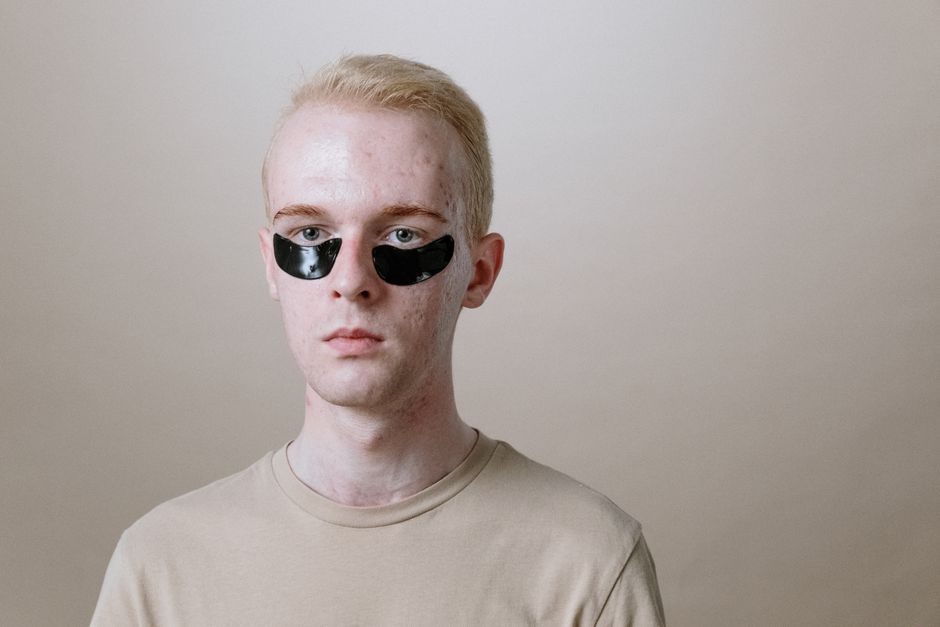
A pimple on your eyelid is different from acne you get on your face or back. It is often a stye, which is a small bacterial infection in an oil gland. The safest way to handle it at home is with warm compresses and nothing else. Do not pop it. Do not squeeze it. Do not put acne cream near your eye. The eyelid skin is the thinnest skin on your body, and the area has a direct blood supply to your brain. A mistake here can turn a small bump into a serious infection.
What Actually Causes a Pimple on Your Eyelid?
Most bumps on the eyelid are styes. The medical term is hordeolum. It happens when bacteria, usually staphylococcus, get trapped in an oil gland at the base of your eyelash. The gland gets blocked and infected. The result is a red, painful lump that may have a small white or yellow head.
Sometimes the bump is not a stye but a chalazion. A chalazion is a blocked oil gland that is not infected. It feels like a hard, painless lump. It grows slowly over weeks. It does not have a white head. Warm compresses work for both, but a chalazion often takes longer to go away.
Rarely, a bump on the eyelid can be something else like a papilloma, a cyst, or even skin cancer. If the bump does not change after two weeks of home care, or if it bleeds, grows quickly, or changes color, see a doctor. The American Academy of Ophthalmology says any eyelid bump that lasts longer than two weeks needs a professional look.
How To Remove A Pimple On Your Eyelid At Home Safely
The only at-home method backed by clinical evidence is the warm compress. Research published in the journal Clinical Ophthalmology found that consistent warm compresses resolve most styes within 7 to 10 days. The heat melts the hardened oil blocking the gland. It also increases blood flow to the area, which helps your immune system fight the bacteria.
Here is how to do it correctly. Wash your hands with soap and water. Soak a clean washcloth in warm water. The water should be warm, not hot. Test it on your wrist first. If it stings your wrist, it is too hot for your eyelid. Wring out the cloth so it is damp, not dripping. Hold it against the closed eyelid for 10 to 15 minutes. Do this three to four times a day.
After each compress, gently massage the bump with a clean finger. Use a circular motion for about one minute. This helps push the melted oil out of the gland. Do not press hard. If it hurts, stop. Some people report that a used green tea bag works as a compress. The tannins in green tea have mild antibacterial properties. Strong evidence is limited here, but if you try it, let the tea bag cool to a safe temperature first.
What You Must Avoid With an Eyelid Pimple
Do not pop it. This is the most important rule. Popping a stye can push bacteria deeper into the eyelid tissue. That can cause cellulitis, a serious skin infection that requires antibiotics. In rare cases, the infection can spread to the cavernous sinus, a cavity at the base of your brain. The CDC reports that cavernous sinus thrombosis, though rare, is life-threatening and starts from facial infections like a popped stye.
Do not use acne products. Benzoyl peroxide, salicylic acid, and retinoids are too harsh for eyelid skin. They cause chemical burns, swelling, and vision problems. Do not use tea tree oil, apple cider vinegar, or toothpaste. These are popular on social media, but they have no clinical evidence supporting their use near the eye. They cause irritation and can damage the cornea.
Do not wear contact lenses until the bump is completely gone. Contacts can trap bacteria against the eye. Do not wear eye makeup on the affected eye. Throw away any mascara or eyeliner you used right before the stye appeared. It may be contaminated with the bacteria that caused the infection.
| Treatment | Evidence Level | Safety for Eyelid |
|---|---|---|
| Warm compress | Strong (clinical studies) | Safe |
| Gentle massage | Moderate (expert consensus) | Safe if gentle |
| Green tea bag | Weak (anecdotal reports) | Safe if cooled |
| Acne cream | None (no evidence) | Unsafe |
| Popping or squeezing | None (harmful) | Dangerous |
| Tea tree oil | None (no eye-specific research) | Unsafe |




When to See a Doctor Instead of Treating at Home
Most styes heal on their own. But some situations require medical care. If the swelling spreads to your cheek or the other eyelid, that is a sign the infection is moving. If your vision gets blurry or you have eye pain when you move your eye, stop home treatment and see a doctor. If you have a fever or chills along with the eyelid bump, that suggests a systemic infection.
People with certain health conditions should be more cautious. If you have diabetes, your immune system may not fight the infection well. If you have rosacea or blepharitis, you may get styes more often. A doctor can prescribe antibiotic ointment like erythromycin or bacitracin. In some cases, they may need to drain the stye in the office. This is a quick procedure done with a sterile needle. Do not try this at home.
Some studies suggest that people who get styes repeatedly may have a deficiency in omega-3 fatty acids. Research in Cornea journal found that omega-3 supplements reduced stye recurrence in some patients. This is not a treatment for an active stye. But if you get styes every few months, it may be worth asking your doctor about an omega-3 blood test.
How to Prevent Eyelid Pimples From Coming Back
Good eyelid hygiene is the best prevention. Wash your eyelids daily with a gentle cleanser. Baby shampoo mixed with warm water works. Soak a cotton pad in the mixture and gently wipe along your lash line. There are also over-the-counter eyelid wipes made for this purpose. The American Optometric Association recommends this for people prone to styes or blepharitis.
Do not share eye makeup or makeup brushes. Bacteria transfer easily through shared products. Replace your mascara every three months. Replace eyeliner pencils every six months. Throw away any eye product you used right before a stye appeared. Wash your hands before touching your eyes. This sounds simple, but a study in the Journal of Ophthalmic Inflammation and Infection found that poor hand hygiene was the most common risk factor for styes.
If you wear contact lenses, clean them properly every day. Do not sleep in contacts unless your eye doctor says it is safe. Replace your contact lens case every three months. Never use tap water to rinse your lenses. Tap water contains microbes that can cause serious eye infections.
Common Misconceptions About Eyelid Pimples
One myth is that styes come from looking at something dirty or from “evil eye” superstitions. This is not true. Styes are bacterial infections caused by staph bacteria that live on your skin. Everyone has staph on their skin. It only causes a problem when it gets trapped in a gland.
Another myth is that rubbing your eyes causes styes. Rubbing does not directly cause a stye. But rubbing can transfer bacteria from your hands to your eyelid. It can also irritate the oil glands, making them more likely to get blocked. So while rubbing is not the root cause, it is a contributing factor.
Some people believe that styes are contagious. The bacteria that cause styes can spread to other people through direct contact. But the risk is low. You do not need to isolate yourself. Just do not share towels, pillowcases, or eye makeup until the stye heals. Wash your hands after touching the area.
Frequently Asked Questions
Can I pop a pimple on my eyelid?
No. Popping a stye can push bacteria deeper into the tissue and cause a serious infection. Let it drain on its own with warm compresses.
How long does an eyelid pimple last?
Most styes heal within 7 to 10 days with consistent warm compress use. A chalazion may take several weeks to fully resolve.
Is it safe to use toothpaste on an eyelid pimple?
No. Toothpaste is not designed for skin and can cause chemical burns and severe irritation on the thin eyelid skin. Do not use it.
When should I go to the doctor for an eyelid pimple?
Go to a doctor if the swelling spreads, your vision changes, you have a fever, or the bump does not improve after two weeks of home care.
