
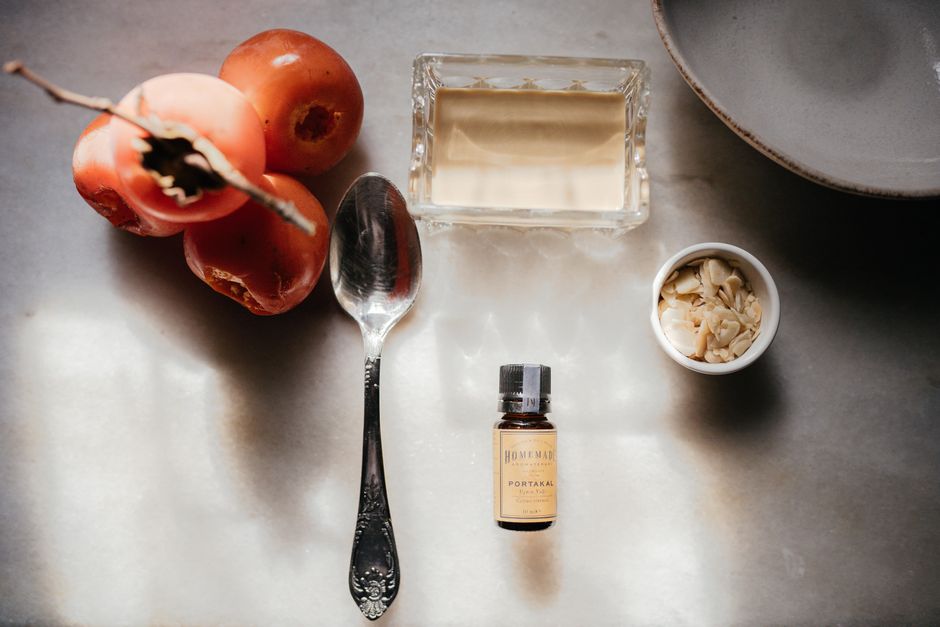
You bought beautiful persimmons at the market, took a bite, and your mouth felt like it was coated in sandpaper. That dry, puckering sensation is astringency, and it is caused by tannins. The good news is you can fix it at home. The most reliable method is to freeze the persimmons for 24 to 48 hours. Freezing breaks down the cell walls and converts those mouth-drying tannins into harmless compounds. If you need them ready faster, you can also soak them in warm water or place them in a sealed bag with a ripe apple or banana. Each method works differently, and the right choice depends on how quickly you want to eat them and what texture you prefer.
What Causes Astringency in Persimmons?
Astringency comes from tannins. These are natural compounds found in many fruits, but persimmons are special because they store them in a specific way. The tannins in astringent persimmon varieties are soluble. That means they dissolve in your saliva and bind to proteins in your tongue, causing that rough, dry feeling.
Not all persimmons are astringent. The two main types are Hachiya and Fuyu. Hachiya persimmons are acorn-shaped and highly astringent until fully ripe. Fuyu persimmons are squat and tomato-shaped. They are non-astringent and can be eaten while still firm. If you bought Hachiya persimmons, you almost certainly need to remove the astringency before eating. If you bought Fuyu, you can eat them right away like an apple.
The key is that the tannins in astringent persimmons are locked inside cells. When the fruit ripens or is treated, those cell walls break down. The tannins then polymerize, meaning they link together into larger molecules that are too big to dissolve in your saliva. Once polymerized, they no longer cause that drying sensation.
Does Freezing Persimmons Remove Astringency?
Yes. Freezing is the most reliable home method. Research from agricultural extension programs at universities like UC Davis confirms that freezing breaks down the cell walls of persimmons. When the fruit thaws, the tannins have already polymerized. The result is a sweet, non-astringent fruit.
The process is simple. Place whole, unpeeled persimmons in a freezer bag. Leave them for at least 24 hours. For best results, leave them for 48 hours. When you take them out, let them thaw at room temperature or in the refrigerator. The texture will be soft and pudding-like, so freezing works best if you plan to eat them with a spoon or use them in baking.
A common mistake is to slice them before freezing. Do not do this. The exposed flesh will oxidize and turn brown. Freeze them whole. The skin protects the fruit. Once thawed, you can scoop out the flesh and discard the skin easily.
Does Warm Water Treatment Work for Persimmons?
Yes, and it is much faster than freezing. The warm water method can remove astringency in 12 to 24 hours. This is a traditional technique used in Japan and Korea. The heat speeds up the breakdown of cell walls and the polymerization of tannins.
To do it, place the persimmons in a bowl or container. Cover them completely with warm water at about 104°F to 122°F (40°C to 50°C). Do not use boiling water. That will cook the fruit and ruin the texture. Keep the container in a warm spot, like near a radiator or in a warm kitchen. Change the water every 8 to 12 hours to keep the temperature stable.
After 12 to 24 hours, test one persimmon. Rinse it under cool water, slice it, and taste a small piece. If the astringency is gone, you are done. If it still feels dry, give it another 6 to 12 hours. The texture after warm water treatment is firmer than frozen persimmons, so this method is better if you want to slice them for a salad or eat them raw.





Does the Ethylene Gas Method Work with Apples or Bananas?
Yes, but it takes longer. Ethylene is a natural gas that fruits produce as they ripen. Apples and bananas release high amounts of ethylene. Placing a persimmon in a sealed bag with one of these fruits will speed up the ripening process and reduce astringency. The American Chemical Society has published research showing that ethylene exposure triggers the cell wall breakdown and tannin polymerization in persimmons.
To use this method, place the persimmons in a paper bag or a sealed plastic bag with one ripe apple or banana. Close the bag loosely so some air can circulate. Leave it at room temperature for 2 to 5 days. Check daily by gently pressing the fruit. When it feels soft, it is ready. The skin may also become slightly translucent.
This method is slower than freezing or warm water, but it produces a more natural texture. The fruit remains firmer than frozen persimmons, though not as firm as a Fuyu. It is the best option if you want to eat the persimmons within a few days and prefer a more traditional ripe fruit texture.
What Is the Best Method for Different Uses?
The choice depends on what you plan to do with the persimmons. Here is a quick comparison to help you decide.
| Method | Time Required | Texture After Treatment | Best Use |
|---|---|---|---|
| Freezing | 24-48 hours | Soft, pudding-like | Smoothies, baking, eating with a spoon |
| Warm water | 12-24 hours | Firm, sliceable | Salads, eating raw, slicing for snacks |
| Ethylene gas (apple/banana) | 2-5 days | Soft but intact | Eating raw, cheese plates, desserts |
If you need them immediately, warm water is the fastest. If you plan to bake or make jam, freezing works best because the soft texture blends easily. If you have time and want a natural ripening process, use the apple or banana method.
What to Avoid When Treating Astringent Persimmons
Some popular advice online is wrong or ineffective. Do not try to remove astringency by soaking persimmons in cold water. Cold water does not break down cell walls or polymerize tannins. You will just end up with wet, astringent persimmons.
Do not use alcohol or vinegar. Some sources claim that soaking persimmons in alcohol removes astringency. There is no strong evidence for this. The alcohol may denature some tannins, but it will also change the flavor. The result is often a bitter or unpleasant taste.
Do not microwave persimmons. Microwaving heats unevenly. It can cook parts of the fruit while leaving other parts astringent. It also ruins the texture, making it mushy in some spots and rubbery in others. Stick to the three proven methods: freezing, warm water, or ethylene gas.
Do not eat unripe astringent persimmons. The tannin levels are highest when the fruit is hard and green. Eating them can cause a condition called bezoar formation in rare cases. A bezoar is a mass of indigestible material that can form in the stomach. It is uncommon, but it is a real risk with highly astringent, unripe persimmons. Always treat them first.
Frequently Asked Questions
How long does it take to remove astringency from persimmons by freezing?
Freezing takes 24 to 48 hours. For best results, leave them in the freezer for a full 48 hours before thawing.
Can you eat astringent persimmons raw without treatment?
You can, but they will be unpleasant due to the dry, puckering sensation. The tannins are harmless but make the fruit nearly inedible.
Does the warm water method work for all persimmon varieties?
Yes, it works for astringent varieties like Hachiya. It does not apply to non-astringent varieties like Fuyu, which are already edible.
Will freezing change the taste of persimmons?
No. Freezing removes the astringency but does not change the natural sweetness or flavor. The texture becomes softer.
