
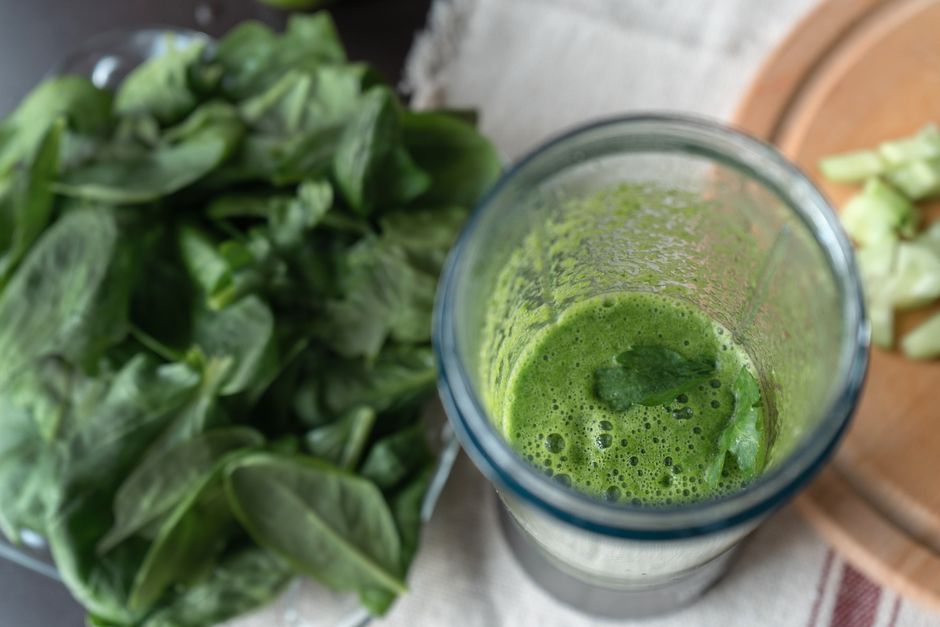
Spinach is packed with nutrients, but it is also high in oxalates. For most people this is not a problem. For others it can contribute to kidney stones or other issues. The most effective way to reduce oxalates in spinach is to boil it. Boiling for at least two minutes can remove between 30 and 80 percent of the oxalate content. You can also steam, blanch, or pair spinach with calcium-rich foods. Each method works differently and this guide explains what the evidence actually shows.
What Are Oxalates and Why Do They Matter?
Oxalates are natural compounds found in many plants. They bind to minerals in your body, especially calcium. When this happens in the kidneys, it can form calcium oxalate crystals. Those crystals are the most common type of kidney stone.
Most people pass small oxalate crystals without noticing. But if you have a history of kidney stones, gout, or certain digestive conditions, high-oxalate foods can be a real problem. Some people also report joint pain, fatigue, or brain fog after eating high-oxalate foods. The evidence for these symptoms is mixed and not well established in large studies.
Spinach is one of the highest oxalate foods you can eat. A single cup of raw spinach contains about 600 to 800 milligrams of oxalates. Cooked spinach is even more concentrated per cup because the water cooks out. That is why knowing how to reduce oxalates matters if you eat spinach regularly.
How To Remove Oxalates From Spinach? Essential Guide
Boiling is the single most effective method. When you boil spinach, oxalates leach into the water. Research consistently shows that boiling for two to five minutes removes 30 to 80 percent of total oxalates. The longer you boil, the more oxalates leave the leaves. But you also lose water-soluble vitamins like vitamin C and some B vitamins.
Discard the cooking water after boiling. Do not use it for soups or sauces. That water now contains the oxalates you removed. Drinking it would put the oxalates right back into your body.
Steaming is less effective than boiling but still helpful. Steaming removes about 15 to 30 percent of oxalates. It preserves more nutrients than boiling does. If nutrient retention is your priority, steaming is a reasonable trade-off.
Blanching — boiling briefly then plunging into ice water — works similarly to boiling. Blanch spinach for one to two minutes and the oxalate reduction is comparable to short boiling times. This method is good if you plan to freeze spinach later.
Microwaving and sautéing do not significantly reduce oxalates. These methods do not allow oxalates to leach into water that gets discarded. If you cook spinach dry or with minimal water, most oxalates stay in the leaves.
Does Pairing Spinach With Calcium Help?
Yes, but not in the way you might think. Calcium does not remove oxalates from spinach. What it does is bind to oxalates in your digestive tract before they reach your kidneys. This prevents some oxalate absorption into your bloodstream.
Studies have found that eating a calcium-rich food at the same meal as spinach can reduce the amount of oxalate your body absorbs by up to 50 percent. The calcium and oxalate bind together in the gut and are excreted in stool instead of being absorbed.
Good pairing options include cheese, yogurt, milk, or calcium-fortified foods. This is not a substitute for boiling. It is an additional strategy. If you boil spinach and then eat it with cheese, you get the benefit of both methods.
Do not take calcium supplements specifically for this purpose unless your doctor advises it. Calcium supplements taken without food can actually increase kidney stone risk in some people. Food-based calcium is safer and more effective for oxalate binding.





How Much Oxalate Is Safe Per Day?
There is no official daily limit for oxalates. The body of evidence suggests that most people can handle 200 to 300 milligrams per day without issues. People with kidney stone history or oxalate sensitivity should aim for under 100 milligrams per day.
A single cup of raw spinach contains about 600 to 800 milligrams of oxalates. That is three to four times the general guidance for daily intake. After boiling, that same cup drops to roughly 100 to 300 milligrams depending on cooking time and water volume.
For context, one cup of boiled spinach still contains oxalates. It is lower than raw but not zero. If you are highly sensitive, limit your spinach servings to half a cup of boiled spinach per meal. Rotate with low-oxalate greens like arugula, butter lettuce, or cabbage.
Should Everyone Worry About Oxalates?
No. Most people process oxalates without any trouble. Your gut bacteria, especially a species called Oxalobacter formigenes, break down oxalates before they reach the kidneys. If you have a healthy gut microbiome and no kidney issues, spinach is a perfectly healthy food.
The people who need to pay attention include those with a history of calcium oxalate kidney stones, people who have had gastric bypass surgery, individuals with inflammatory bowel disease, and those who eat very high-oxalate diets consistently. Some evidence also suggests people with certain genetic variations process oxalates less efficiently.
Viral health claims that oxalates cause widespread chronic illness are not supported by strong evidence. Some people report symptom relief on low-oxalate diets. That is real for those individuals. But it does not mean everyone needs to avoid oxalates. The evidence does not support universal avoidance.
What About Frozen or Canned Spinach?
Frozen spinach is usually blanched before freezing. This means it has already undergone some oxalate reduction. A 2020 analysis found that frozen spinach contains about 30 to 40 percent less oxalate than raw fresh spinach. You can still boil it further to reduce oxalates more.
Canned spinach is cooked during the canning process. It is typically boiled or steamed before sealing. The oxalate content is lower than raw spinach, but the liquid in the can contains leached oxalates. Drain and rinse canned spinach before eating to reduce oxalates further.
Does Fermenting or Cooking With Acid Help?
Fermentation may reduce oxalates in some foods, but the evidence for spinach specifically is weak. Some people report that lacto-fermented spinach has lower oxalate levels. As of 2026 there is no clinical evidence confirming this for spinach. The mechanism is plausible but not proven.
Cooking spinach with acidic ingredients like lemon juice or vinegar does not remove oxalates. Acid does not break down oxalate crystals. However, the vitamin C in lemon juice may help with calcium absorption, which is a separate benefit unrelated to oxalate removal.
Can You Eat Raw Spinach Safely?
Yes, in moderation. Raw spinach is not dangerous for most people. The oxalates are present, but your body can handle small amounts. If you eat a large raw spinach salad daily, that is a different situation. That much raw spinach can deliver over 1000 milligrams of oxalates in one meal.
If you enjoy raw spinach, limit yourself to one to two cups per serving. Pair it with a calcium-rich dressing like yogurt-based ranch or add cheese. This does not remove oxalates but reduces absorption as explained earlier.
For people who are sensitive or have had kidney stones, raw spinach is best avoided entirely. Boiled spinach is a safer option that still provides many nutrients like iron, magnesium, and vitamin K.
Frequently Asked Questions
Does rinsing spinach remove oxalates?
No. Rinsing with water removes dirt and bacteria but does not affect oxalate content. Oxalates are inside the plant cells, not on the surface.
How long should I boil spinach to remove oxalates?
Boil spinach for at least two minutes to remove a significant amount of oxalates. Five minutes removes more but also reduces water-soluble vitamins.
Can I drink the water after boiling spinach?
No. The water contains the oxalates that leached out of the spinach. Drinking it puts those oxalates back into your body.
Is frozen spinach lower in oxalates than fresh?
Yes. Frozen spinach is blanched before freezing, which reduces oxalate content by about 30 to 40 percent compared to raw fresh spinach.
