
Hand pain from crutches is a common problem, and it usually comes from putting too much body weight through your hands. The key to relief is adjusting your technique, improving your equipment, and strengthening the muscles that support your grip. Most people find significant relief within a few days of making these changes, but persistent pain needs proper evaluation.
Why Do Crutches Hurt Your Hands?
Crutches are designed to transfer weight from your legs to your upper body. When you use them, your hands, wrists, and shoulders take on a load they are not used to carrying. This pressure can compress the nerves and soft tissues in your palms.
The most common cause of pain is gripping the handgrip too tightly. Many people hold on with a death grip because they feel unstable. That constant muscle tension leads to fatigue and cramping. Another factor is poor crutch height. If your crutches are too tall, you will push down harder with your hands. If they are too short, you will have to lean forward awkwardly, putting more weight on your wrists.
Nerve compression is also a factor. The ulnar nerve runs through the wrist and hand. Sustained pressure on this area can cause tingling, numbness, or a sharp pain in the ring and pinky fingers. This is sometimes called crutch palsy, and it is a direct result of pressure on the nerve.
How To Relieve Hand Pain From Crutches: Correct Your Fit First
Proper fit is the single most important step. If your crutches are not adjusted for your body, no amount of padding will fix the problem. You need to check two measurements: the handgrip height and the underarm rest height.
When you stand up straight with your arms relaxed at your sides, the handgrip should be at the level of your wrist crease. This allows your elbow to bend at about 15 to 30 degrees when you hold the grip. The underarm rest should sit about one to two inches below your armpit. You should not be resting your body weight on the underarm pads. These pads are for balance and support, not for weight bearing.
If you are unsure about your fit, ask a physical therapist or your healthcare provider to check it. Using crutches that are not fitted to your height is a common reason people develop hand pain that does not go away.
Improve Your Grip and Padding
Once the fit is correct, the next step is reducing pressure on your palms. Standard crutch grips are hard plastic. They are not designed for comfort over long periods. Adding padding can make a substantial difference.
You can buy gel grips or foam pads that slip over the existing handgrip. These are inexpensive and available at most pharmacies or online. Some people use athletic tape or a folded towel wrapped around the grip. The goal is to create a wider surface area so the pressure is spread across more of your palm.
Wearing padded gloves can also help. Cycling gloves with gel padding in the palm are a popular choice. They protect the hands and also improve your grip so you do not have to squeeze as hard. If you do not have gloves, you can use a folded washcloth or a small towel between your hand and the grip.
Pay attention to how you hold the grip. Your fingers should wrap around it with your thumb on top. Do not grip with your whole fist clenched. Relax your fingers as much as you can between steps. The less tension you hold in your hands, the less pain you will feel.





Use Your Arms and Shoulders, Not Just Your Hands
Many people make the mistake of pushing down through their hands and wrists. This puts all the force on the small bones and nerves of the hand. The correct technique involves using your entire arm and shoulder to bear the load.
When you take a step with the crutches, push down through your palms but keep your elbows slightly bent. Your shoulder muscles and the large muscles of your upper arm should be doing most of the work. Your wrist should stay in a neutral, straight position. Avoid bending your wrist up or down sharply, as this increases pressure on the carpal tunnel and other sensitive areas.
Practice shifting your weight through your arms rather than your hands. Imagine pressing the crutch into the ground using the strength of your shoulder, not the squeeze of your fingers. This takes practice, but it is the correct way to use crutches and it dramatically reduces hand strain.
Take Breaks and Move Your Hands
Continuous pressure on the hands leads to pain. If you are on crutches for more than a few days, you need to give your hands regular breaks. When you sit down, take your hands off the grips entirely. Gently shake out your hands and wrists. Stretch your fingers open and closed to improve circulation.
Doing this for 30 seconds every 15 to 20 minutes can prevent the pain from building up. If you are using crutches for a short-term injury, this is manageable. If you are on crutches for a longer period, such as after a surgery, you may need to plan more structured rest periods throughout the day.
Ice can help if your hands are sore at the end of the day. Apply an ice pack wrapped in a thin cloth to your palms for 10 to 15 minutes. This can reduce inflammation and numb the pain. Do not apply ice directly to the skin.
When To Consider a Different Mobility Aid
Sometimes crutches are not the best option. If you have a pre-existing condition like arthritis in your hands or wrists, crutches may be very difficult to use. The repetitive pressure can flare up joint pain and make your injury recovery harder.
Other mobility aids put less stress on the hands. A knee walker is a scooter-like device that supports your injured leg while your hands rest on handlebars. It does not require gripping or weight bearing through the hands. A rollator walker with a seat allows you to rest when needed and distributes weight more evenly through your arms.
A forearm crutch is another option. These have a cuff that wraps around your forearm instead of an underarm rest. They allow your forearm to take more of the weight, which can reduce pressure on the hands. Some people find them more comfortable for long-term use.
Talk to your doctor or physical therapist about which option is best for your specific injury and your overall health. They can help you decide based on your balance, strength, and how long you expect to need the aid.
When Hand Pain Is Not Normal
Some hand pain is expected when you start using crutches. Your hands are not used to this work. But certain symptoms are warning signs. You should contact your healthcare provider if you experience any of these.
- Numbness or tingling that does not go away when you stop using the crutches
- Sharp, shooting pain that travels up your arm
- Weakness in your hand or difficulty gripping objects
- Pale or blue-colored fingers
- Swelling in your hands that does not improve with rest
These symptoms could indicate nerve damage, a blood flow problem, or another condition that needs medical attention. Do not try to push through this kind of pain. Stop using the crutches and seek advice. Your doctor can examine you and determine whether you need a different mobility aid or treatment for the underlying issue.
It is also worth noting that hand pain can sometimes be a sign of a more serious condition unrelated to the crutches, such as carpal tunnel syndrome or arthritis that was previously undiagnosed. Using crutches may simply bring these conditions to your attention. A medical evaluation can sort this out.
Strengthening Exercises for Hand Pain Prevention
If you know you will be on crutches for a while, you can do simple exercises to prepare your hands and arms. These exercises strengthen the muscles you will use and improve your endurance.
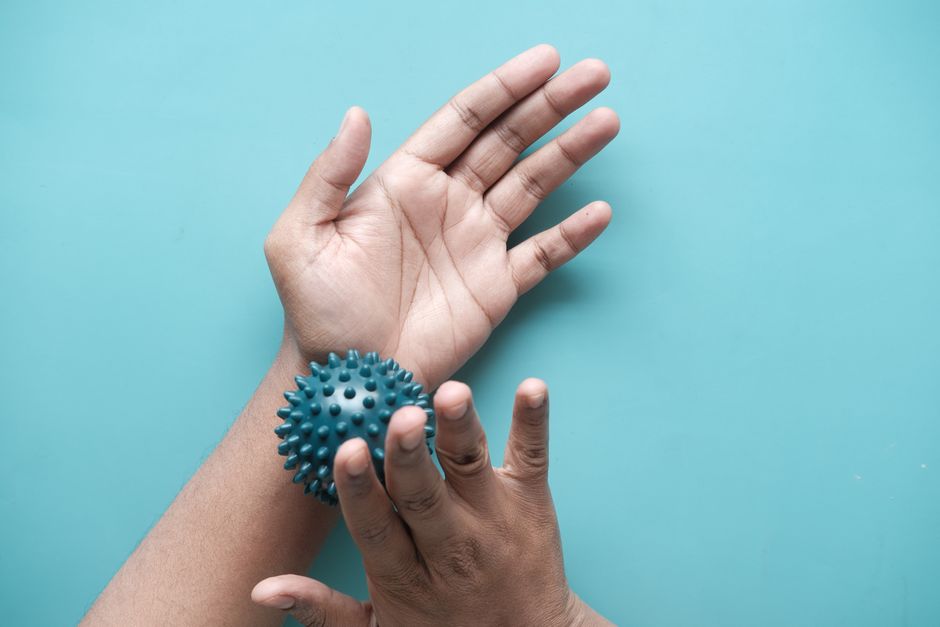
A stress ball or a soft squeeze ball can help. Squeeze it for five seconds, then release. Do 10 repetitions a few times a day. This strengthens your grip without putting pressure on your palms. Wrist curls with a light weight or a resistance band can strengthen your forearm muscles. These are the muscles that control your wrist position.
Shoulder strengthening is also important. Your shoulders carry much of the load when you use crutches. Simple shoulder presses with light weights or resistance bands can help. Stronger shoulders mean less work for your hands and wrists.
These exercises are generally safe, but check with your doctor before starting any new exercise program, especially if you have an injury. They can tell you what is appropriate for your situation and what to avoid.
Frequently Asked Questions
How long does hand pain from crutches last?
With proper crutch fit and technique, most people notice improvement within a few days. Pain that lasts longer than a week despite adjustments should be evaluated by a professional.
Can I use a towel for crutch padding?
Yes, a folded towel wrapped around the handgrip can provide temporary relief. Gel grips or foam pads are more secure and are designed for this purpose.
Should I stop using crutches if my hands go numb?
Yes, stop and rest your hands. Numbness can indicate nerve compression. If the numbness persists after you rest, contact your healthcare provider.
Are forearm crutches better for hand pain?
Many people find them more comfortable because they distribute weight through the forearm. They are a reasonable alternative if standard crutches cause ongoing hand pain.
