
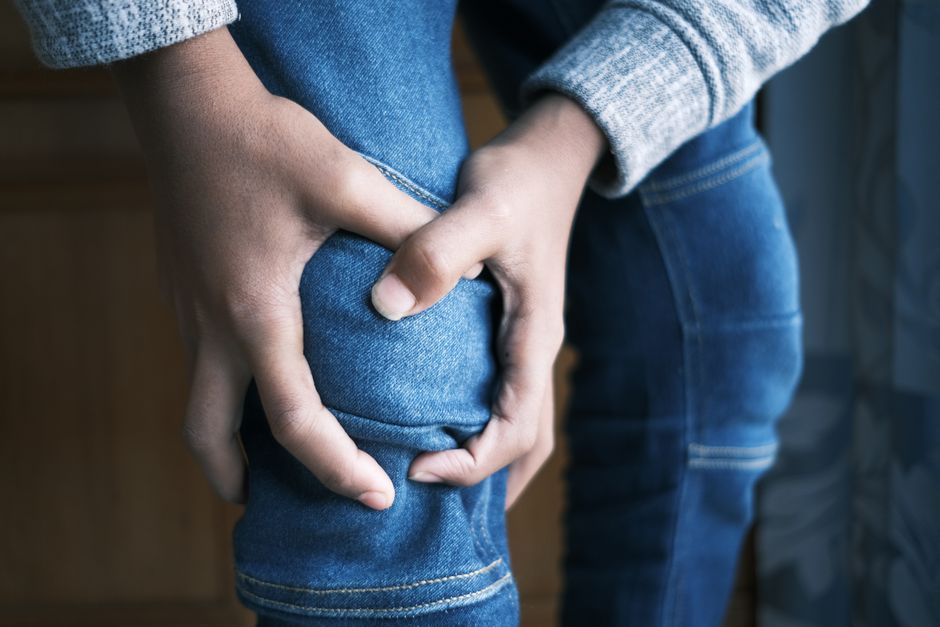
Joint pain, stiffness, and inflammation can turn simple daily tasks into a struggle. For most people, the answer combines regular movement, anti-inflammatory food choices, and specific medications or supplements that have solid evidence behind them. No single remedy works for everyone, but the most effective approaches target both the pain signals and the underlying inflammation in the joints.
What Causes Joint Pain and Stiffness?
Joint pain usually comes from inflammation inside the joint or damage to the cartilage that cushions the bones. Osteoarthritis is the most common cause. It happens when cartilage wears down over time, leading to bone rubbing against bone. Rheumatoid arthritis is different. It is an autoimmune condition where the immune system attacks the joint lining.
Other causes include gout, bursitis, tendinitis, and injuries. Sometimes stiffness is worse in the morning or after sitting still for a while. This is called “gelling” and it is common with both osteoarthritis and inflammatory arthritis. The pattern of your pain matters. If stiffness lasts longer than 30 minutes in the morning, it may point to inflammatory arthritis rather than osteoarthritis.
Does Movement Actually Help Joint Pain?
Yes. Movement is one of the most consistently supported approaches for joint pain. It may seem counterintuitive — moving a painful joint feels wrong — but the evidence is strong.
Exercise strengthens the muscles around the joint. Stronger muscles absorb more of the load, which takes pressure off the joint itself. Movement also keeps synovial fluid circulating. This fluid lubricates the joint and delivers nutrients to the cartilage. Cartilage has no blood supply of its own, so it depends on movement to get what it needs.
Low-impact activities work best. Walking, swimming, cycling, and water aerobics all provide benefits without jarring the joints. Range-of-motion exercises like gentle stretching help with stiffness. Strength training with light weights or resistance bands builds the supporting muscles. A physical therapist can design a program specific to your joints and limitations.
Start slowly if you are new to exercise. Even 10 minutes of walking a day can help. Consistency matters more than intensity. Some research suggests that people with knee osteoarthritis who exercise regularly report less pain and better function than those who remain sedentary.
What Are the Best Anti-Inflammatory Foods?
Diet influences inflammation, but it is not a cure. Foods cannot reverse joint damage. They can, however, reduce the inflammatory load on your body.
The Mediterranean diet has the strongest evidence for reducing inflammation. It emphasizes fruits, vegetables, whole grains, fish, olive oil, and nuts. Fatty fish like salmon, sardines, and mackerel contain omega-3 fatty acids. Some studies show that omega-3s reduce joint tenderness and morning stiffness in people with rheumatoid arthritis.
Berries, cherries, and other colorful fruits contain antioxidants that may help. Leafy greens like spinach and kale provide vitamins and minerals. Olive oil contains oleocanthal, a compound that has anti-inflammatory properties similar to ibuprofen, though much weaker.
Limit foods that promote inflammation. Ultra-processed foods, sugary drinks, refined carbohydrates, and excessive red meat are all linked to higher inflammatory markers in the body. You do not need to eliminate these completely. Reducing them can make a measurable difference, especially if your diet is heavy in them now.





Which Supplements Have Real Evidence?
Supplements are a crowded market with many exaggerated claims. A few have genuine research support. Most do not.
Omega-3 fatty acids are the best supported. Studies show they reduce joint pain and stiffness in people with rheumatoid arthritis. The effect takes weeks to appear, and higher doses are usually needed. Fish oil supplements can interact with blood thinners, so talk to your doctor first.
Turmeric or curcumin has anti-inflammatory properties. Some randomized trials show it reduces knee pain in osteoarthritis comparable to over-the-counter pain relievers. The quality of supplements varies widely, and high doses can upset the stomach. The evidence is promising but not definitive.
Glucosamine and chondroitin are the most studied joint supplements. The results are mixed. Some trials show modest pain relief for knee osteoarthritis. Others show no benefit over placebo. The largest study, funded by the National Institutes of Health, found no significant benefit overall, though a subgroup with moderate-to-severe pain did report some relief. These supplements are safe for most people, but they are not a guaranteed solution.
Vitamin D matters for bone health. Deficiency is common and can contribute to bone and muscle pain. Correcting a deficiency is beneficial, but taking extra vitamin D when your levels are normal does not help joint pain.
What Medications Work for Joint Pain and Inflammation?
Over-the-counter options include acetaminophen and nonsteroidal anti-inflammatory drugs (NSAIDs) like ibuprofen and naproxen. NSAIDs reduce both pain and inflammation. Acetaminophen reduces pain but does not address inflammation.
NSAIDs work well for short-term flare-ups. Long-term use carries risks. They can irritate the stomach lining, increase blood pressure, and affect kidney function. If you need them more than a few days a week, talk to your doctor about other options.
Topical NSAID gels and creams are a good alternative. They deliver the medication directly to the joint with less systemic absorption. This means fewer stomach and kidney risks. Topical diclofenac is available over the counter and has solid evidence for knee and hand osteoarthritis.
For inflammatory arthritis like rheumatoid arthritis, disease-modifying drugs are the standard treatment. These medications — such as methotrexate and biologic agents — actually slow joint damage rather than just masking symptoms. They require a prescription and regular monitoring by a rheumatologist.
Corticosteroid injections can provide rapid relief for severe flare-ups. They are powerful anti-inflammatories but cannot be used frequently. Repeated injections can weaken the joint over time.
What Helps With Joint Pain Stiffness And Inflammation at Home?
Heat and cold are simple, effective tools. Heat relaxes muscles and increases blood flow. It works well for stiffness, especially in the morning. A warm shower, heating pad, or warm towel for 15-20 minutes can loosen a stiff joint.
Cold reduces inflammation and numbs pain. It works best for acute flare-ups or after exercise. An ice pack wrapped in a towel applied for 15-20 minutes can reduce swelling and pain. Never apply ice directly to the skin.
Weight loss is one of the most powerful interventions for joint pain. Every pound of body weight puts about four pounds of pressure on the knees. Losing even 5-10% of your body weight can significantly reduce knee pain and improve function. This effect is well documented in research on knee osteoarthritis.
Assistive devices can help. A cane held in the hand opposite the painful joint reduces the load on that joint. Braces and sleeves provide support and proprioceptive feedback. Ergonomic grips and tools reduce strain on hand joints.
Sleep matters. Poor sleep is linked to increased pain sensitivity. Establishing a consistent sleep schedule and addressing sleep problems can improve how you experience pain.
When Should You See a Doctor for Joint Pain?
See a doctor if joint pain lasts more than a few weeks, if a joint is visibly swollen or warm, if the pain follows an injury, or if it interferes with daily activities. Also seek medical attention if you have joint pain accompanied by fever, unexplained weight loss, or rash — these can signal a systemic condition.
Sudden severe joint pain, especially in a single joint like the big toe, could be gout. A joint that is hot, red, and extremely painful could indicate an infection. Septic arthritis is a medical emergency. If you have these symptoms, seek care promptly.
Early diagnosis matters. For inflammatory arthritis, early treatment slows joint damage. For osteoarthritis, early intervention with exercise and weight management preserves function longer. Do not wait until the pain becomes unbearable.
Frequently Asked Questions
What is the fastest way to reduce joint inflammation?
An NSAID like ibuprofen or naproxen reduces inflammation within hours for most people. Ice packs applied for 15-20 minutes can also quickly reduce local swelling and pain.
Is walking good for stiff joints?
Yes, walking is one of the best activities for joint stiffness. It lubricates the joints and strengthens the muscles around them without the impact of running or jumping.
Can turmeric really help joint pain?
Some trials show curcumin, the active compound in turmeric, reduces knee osteoarthritis pain. The effect is modest and supplement quality varies, so results are not guaranteed.
Are joint supplements worth taking?
Glucosamine and chondroitin have mixed evidence, with some studies showing modest benefit and others showing none. Omega-3 fish oil has stronger support, especially for inflammatory arthritis.
