
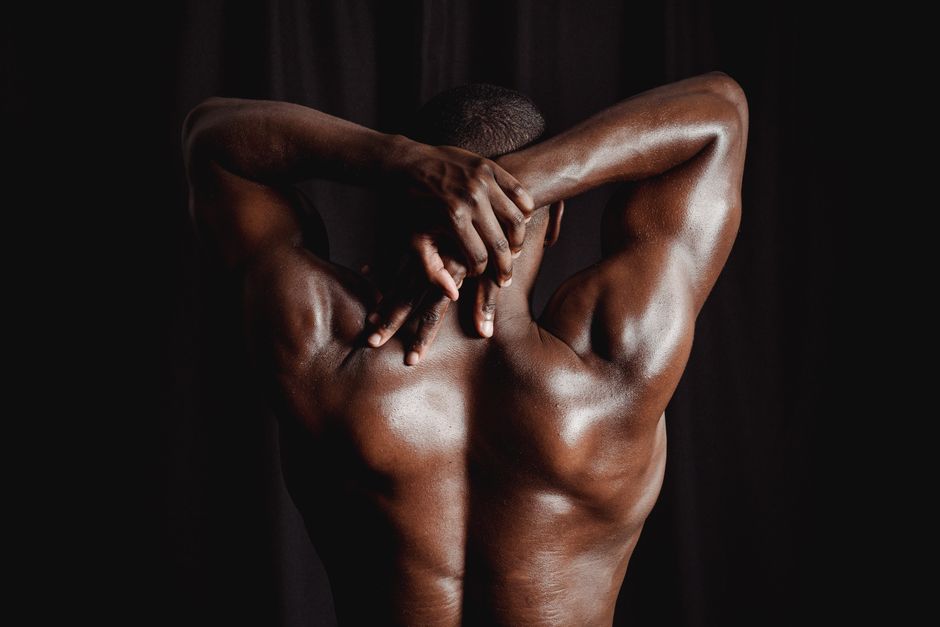
The erector spinae muscles run vertically along your spine, from the base of your skull down to your lower back. When they hurt, you feel it as a deep ache or sharp pain beside the spine, often in the lower or mid back. The most common causes are poor posture, muscle strain from lifting, and prolonged sitting. Most cases improve with rest, gentle movement, and targeted stretching, but persistent pain needs a medical evaluation.
What Are the Erector Spinae Muscles?
These muscles are actually three columns of muscle tissue running parallel to your spine. They are called the iliocostalis, longissimus, and spinalis. Together, they extend your spine, keep you upright, and control the movement when you bend forward and come back up.
They work constantly. Every time you stand, sit, or twist, these muscles are active. That constant workload is why they are prone to strain and fatigue. They are not the only muscles in your back, but they are the ones most people feel when they have “back pain” on either side of the spine.
What Causes Erector Spinae Pain?
The most common cause is mechanical strain. This happens when the muscle is overstretched or overloaded. Lifting something heavy with a rounded back, twisting while lifting, or suddenly reaching for something can all cause a strain.
Poor posture is a close second. Sitting for hours with your head forward and shoulders rounded puts the erector spinae in a lengthened, weakened position. The muscles have to work harder just to hold your head up. Over time, this leads to fatigue, tightness, and pain.
Other common causes include:
- Weak core muscles that force the back to do extra work
- Prolonged standing on hard surfaces
- Sleeping on a mattress that does not support your spine
- Overtraining the back without enough recovery time
- Sudden increase in exercise intensity
Less common but serious causes include herniated discs, spinal stenosis, and vertebral fractures. These conditions press on nerves and can cause pain that travels into the legs. If your pain radiates down a leg, or you feel numbness or weakness, see a doctor rather than assuming it is only muscle pain.
How Do I Know If It Is Muscle Pain or Something Else?
Muscle pain from the erector spinae usually feels like a dull ache or a burning sensation along the spine. It often gets worse with certain movements, like bending forward or twisting, and feels better with rest or changing position.
Nerve pain is different. It tends to be sharp, shooting, or electric. It often travels down the buttock and into the leg. If you have nerve symptoms, numbness, or weakness, the problem may involve a disc or a nerve root, not just the muscle.
Another distinction is tenderness. Erector spinae strain typically produces tenderness directly over the muscle when pressed. If pressing on the spine itself causes sharp pain, that could indicate a bone or joint problem. A doctor can help you tell the difference with a physical exam and, if needed, imaging.
What Relieves Erector Spinae Pain Fast?
For the first 48 hours after a strain, ice can help reduce inflammation and numb the area. Apply an ice pack wrapped in a thin towel for 15 to 20 minutes at a time, several times a day. After two days, switch to gentle heat to relax tight muscle tissue.
Over-the-counter pain relievers like ibuprofen or naproxen can reduce both pain and inflammation. Acetaminophen can help with pain but does not reduce inflammation. Always follow the dosing instructions on the label and check with a pharmacist if you take other medications or have health conditions.
Rest is important, but complete bed rest is not recommended. Staying still for more than a day or two can make the muscles weaker and the pain worse. Instead, rest from the activity that caused the strain, but walk around gently and change positions often.
What Stretches and Exercises Help?
Gentle movement is usually better than complete rest once the initial pain settles. The goal is to restore blood flow and length to the muscle without aggravating it.
One of the safest stretches is the knee-to-chest stretch. Lie on your back, bring one knee toward your chest, and hold it with your hands for 20 to 30 seconds. Repeat on the other side. This stretches the lower erector spinae and the gluteal muscles.
Another helpful move is the child’s pose from yoga. Kneel on the floor, sit back on your heels, and reach your arms forward on the floor. You should feel a gentle stretch along your entire spine. Hold for 30 seconds and breathe normally.
Strengthening exercises matter too. Weak core muscles force the erector spinae to overwork. Simple exercises like pelvic tilts, bird-dogs, and bridges can build core and gluteal strength without loading the spine heavily.
Start with a few repetitions and stop if the pain increases. Some muscle soreness during exercise is normal, but sharp pain is not. If an exercise causes sharp pain, stop doing it.
What Makes Erector Spinae Pain Worse?
Prolonged sitting is one of the worst positions for this muscle group. When you sit, your hip flexors shorten and your gluteal muscles switch off. The erector spinae then have to work harder to keep you upright. If you sit for work, stand up and move every 30 to 45 minutes.
Poor lifting technique is another major aggravator. Bending at the waist to lift something, rather than bending at the knees, puts enormous strain on the erector spinae. Always lift with your legs and keep the object close to your body.
Sleeping in a bad position can also worsen pain. Sleeping on your stomach twists your neck and flattens the natural curve of your lower back. Side sleeping with a pillow between your knees, or back sleeping with a pillow under your knees, keeps the spine in a more neutral position.
When Should I See a Doctor?
Most erector spinae pain resolves within one to two weeks with home care. But you should see a doctor if the pain lasts longer than two weeks, is severe, or is getting worse despite rest and gentle movement.
Seek medical attention immediately if you have any of these warning signs:
- Pain that travels down your leg below the knee
- Numbness or weakness in your legs or feet
- Loss of bladder or bowel control
- Pain after a fall or direct injury to the back
- Pain accompanied by fever, chills, or unexplained weight loss
These symptoms can indicate a more serious condition that needs prompt evaluation. Loss of bladder or bowel control combined with back pain is a medical emergency.
How Long Does Erector Spinae Pain Last?
A mild muscle strain typically improves within a few days. A moderate strain can take one to two weeks. A severe strain, where muscle fibers are torn, may take four to six weeks to fully heal.
Chronic erector spinae pain, lasting more than three months, is usually related to posture, muscle imbalance, or an underlying spinal condition rather than a single injury. In these cases, physical therapy is often more effective than rest alone.
The most important factor in recovery is gradual return to normal activity. Pushing through pain delays healing. Avoiding all movement also delays healing. The balance is to stay active within pain limits and slowly increase activity as symptoms improve.
Can I Prevent Erector Spinae Pain?
Yes, in most cases. The same habits that cause the pain can be reversed to prevent it. Good posture, regular movement, and core strength are the foundation.
If you sit at a desk, set up your workstation so your monitor is at eye level and your feet rest flat on the floor. Take short walking breaks throughout the day. Stretch your hip flexors regularly, since tight hip flexors pull on the lower back.
Exercise that strengthens the back, core, and gluteal muscles is the best long-term prevention. This does not mean heavy deadlifts. Simple bodyweight exercises, walking, swimming, and yoga are all effective. Consistency matters more than intensity.
What Does the Evidence Say About Common Treatments?
Heat and ice are widely used, but the evidence for their effectiveness is modest. Ice reduces inflammation in the acute phase, and heat relaxes muscle tissue, but neither speeds up the underlying healing process. They are comfort measures, not cures.
Massage therapy can provide short-term pain relief for muscle tightness. Some studies suggest it is helpful for low back pain, but the effect is often temporary. It works best when combined with exercise and posture correction.
Chiropractic manipulation and spinal mobilization are commonly used for back pain. The evidence is mixed. Some people experience significant relief, while others see no benefit. If you choose to see a chiropractor, make sure they perform a thorough assessment first to rule out more serious conditions.
There is no strong evidence that topical creams, braces, or back belts prevent or cure erector spinae pain. They may provide temporary comfort, but they do not address the underlying muscle weakness or postural habits.
Frequently Asked Questions
Can erector spinae pain cause pain in the front of the body?
No, erector spinae pain is felt in the back, typically beside the spine. Pain in the front of the abdomen or chest is not from this muscle group and should be evaluated by a doctor.
Is walking good for erector spinae pain?
Yes, walking is generally safe and helpful for erector spinae pain. It promotes blood flow and keeps the muscles active without placing heavy load on the spine.
Should I use a back brace for erector spinae pain?
Back braces are not recommended as a primary treatment for erector spinae pain. They can provide temporary support but may weaken the muscles if used long-term.
Can stress cause erector spinae pain?
Stress can contribute to muscle tension throughout the body, including the back. When you are stressed, you may unconsciously tense your back muscles, which can lead to pain.
