
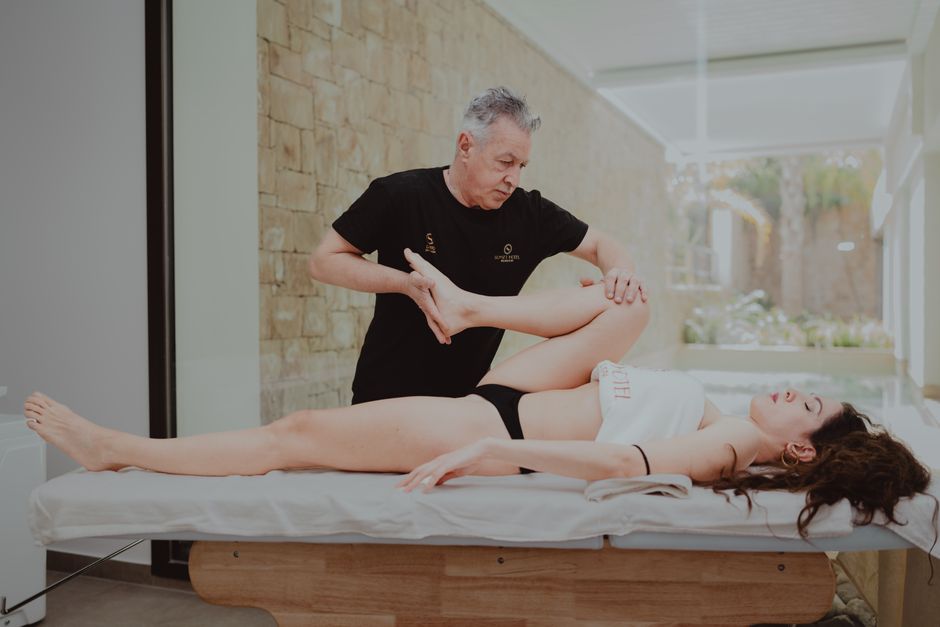
Groin pain in females is common and has many possible causes, ranging from a pulled muscle to a urinary tract infection to a gynecologic condition. The right way to relieve it depends entirely on what is causing it, so the first step is figuring out the source rather than reaching for a painkiller and hoping it settles. For mild muscular strain, rest, ice, and gentle stretching often help within days. For pain that comes with fever, swelling, urinary symptoms, or that lasts more than a week or two, see a clinician — self-treatment can delay a diagnosis that matters.
What Actually Causes Groin Pain in Females?
The groin is the crease where the lower abdomen meets the thigh. Several structures pass through or sit near this area: muscles, tendons, lymph nodes, blood vessels, nerves, the hip joint, and — in females — reproductive organs and the urinary tract. Pain here can come from any of them.
The most common causes fall into a few groups:
- Muscle or tendon strain. The adductor muscles on the inner thigh and the hip flexors are frequent culprits. This pain usually appears after activity and worsens with movement.
- Hip joint problems. Osteoarthritis, a labral tear, or hip impingement can refer pain to the groin rather than the outer hip.
- Urinary tract infection. A UTI can cause burning, urgency, and lower abdominal or groin discomfort.
- Gynecologic causes. Ovarian cysts, endometriosis, pelvic inflammatory disease, and fibroids can all produce groin or pelvic pain.
- Hernia. An inguinal hernia can cause a bulge and aching in the groin, and it is more common in males but does occur in females.
- Lymph node swelling. Enlarged lymph nodes in the groin can be tender and are usually a response to infection or inflammation nearby.
Less common but serious causes include a hip fracture, a blood clot, or a nerve compression. These need urgent care.
How Do You Tell Muscle Pain From Something More Serious?
Muscle and tendon pain has a predictable pattern. It starts during or after physical activity. It eases with rest. It is tender when you press on a specific spot. It does not come with fever, and it does not affect urination or vaginal discharge.
Pain that is not tied to activity, or that comes with any of the following, points to something else:
- Fever or chills
- Burning when you urinate, or needing to go often
- Unusual vaginal discharge or bleeding
- A visible bulge in the groin
- Swelling in one leg
- Pain that wakes you at night or keeps getting worse
- Numbness or tingling down the leg
Any of these warrants a medical visit. The distinction matters because treating a UTI or a hernia as a muscle strain wastes time and can let the problem progress.
How To Relieve Groin Pain In Females at Home
For pain that clearly follows activity and has no red-flag symptoms, home care can help. The goal is to reduce strain on the area while it heals.
Rest but do not stop moving entirely. Complete bed rest can stiffen the hip and slow recovery. Avoid the specific activity that triggered the pain, but keep walking gently if it does not hurt.
Ice for the first 48 hours. Apply a cold pack wrapped in a cloth for about 15 to 20 minutes at a time, a few times a day. Ice reduces swelling and numbs the area. Do not put ice directly on the skin.
Heat after the first few days. Once the acute swelling has settled, a warm compress or a warm bath can relax tight muscles and ease aching.
Over-the-counter pain relief. Medications like ibuprofen or acetaminophen can reduce pain. Ibuprofen also reduces inflammation. Follow the package directions, and check with a pharmacist or doctor if you take other medications or have kidney, stomach, or heart conditions.
Gentle stretching. Once the sharp pain has eased, slow stretches for the inner thigh and hip flexors can help. Stop if a stretch increases pain. A physical therapist can guide this safely if the pain keeps returning.
Supportive footwear and a flatter stride. High heels and uneven surfaces can increase load on the hip and groin. This is a small change, but it can reduce irritation during recovery.





When Should You See a Doctor for Groin Pain?
See a clinician if the pain lasts more than one to two weeks despite rest, or if it keeps coming back with activity. Recurring groin pain often means the underlying issue was never addressed.
Seek care sooner — same day or urgently — if you have:
- Severe pain that started suddenly, especially after a fall
- Inability to bear weight on the leg
- Fever above 100.4°F (38°C)
- One-sided leg swelling, warmth, or redness
- Vaginal bleeding that is unexpected or heavy
- Severe pain in the lower abdomen along with groin pain
A blood clot in the leg, a hip fracture, and a serious pelvic infection are all conditions where delay can cause harm. These symptoms are not ones to watch at home.
What Does Treatment Look Like Depending on the Cause?
Treatment follows the diagnosis, not the symptom. This is why guessing at the cause can lead you in the wrong direction.
| Likely cause | Typical approach |
|---|---|
| Muscle or tendon strain | Rest, ice, gradual return to activity, physical therapy if needed |
| Urinary tract infection | Antibiotics prescribed by a clinician after testing |
| Ovarian cyst | Often monitored; larger or painful cysts may need treatment |
| Endometriosis | Pain management, hormonal treatment, or surgery depending on severity |
| Inguinal hernia | Often surgical repair, especially if painful or growing |
| Hip osteoarthritis | Physical therapy, weight management, pain relief; joint replacement in advanced cases |
Some clinicians recommend pelvic floor physical therapy for groin and pelvic pain in females, particularly when the pain is chronic and no clear structural cause is found. This is a growing area, and evidence for it varies by condition. It is reasonable to ask your doctor whether a referral makes sense for your situation.
Can Groin Pain in Females Be Prevented?
Some causes can be reduced, and some cannot. Muscle strains are the most preventable.
Warming up before exercise and increasing activity gradually rather than in sudden bursts lowers strain risk. Strengthening the hip and core muscles gives the groin area better support. Wearing shoes with good support during activity helps too.
For urinary tract infections, staying hydrated and urinating when you feel the urge are commonly recommended, though the evidence for some prevention habits is not strong. If you get recurrent UTIs, talk to a clinician about whether further evaluation is needed.
Gynecologic conditions like endometriosis and ovarian cysts cannot be prevented through lifestyle. Early evaluation of persistent pain is the practical step.
Does the Cause Differ by Age?
Yes, and this is worth knowing because it changes what a doctor will consider first.
In younger females, muscle strains, sports-related hip injuries, and pelvic inflammatory disease are common. In females over 50, hip osteoarthritis becomes more likely, and the risk of hip fracture after a fall rises. After menopause, lower estrogen levels are associated with reduced bone density, which increases fracture risk.
Pregnancy is another factor. Round ligament pain and pelvic girdle pain are common during pregnancy, and they need a different approach than a sports strain. Any groin pain during pregnancy should be discussed with an obstetric provider rather than self-treated.
Frequently Asked Questions
How do I know if my groin pain is a pulled muscle?
A pulled muscle usually starts during or right after activity, eases with rest, and is tender when you press one specific spot. It does not come with fever, urinary burning, or a bulge in the groin.
Can a urinary tract infection cause groin pain?
Yes, a UTI can cause burning with urination, urgency, and lower abdominal or groin discomfort. If you have these symptoms along with groin pain, see a clinician for testing rather than treating it as a muscle strain.
How long should groin pain last before I see a doctor?
If it lasts more than one to two weeks despite rest, or keeps returning with activity, get it checked. Seek care sooner if you have fever, leg swelling, inability to bear weight, or severe sudden pain.
Can groin pain in females be a sign of something serious?
Most groin pain is not serious, but a blood clot, hip fracture, hernia, or pelvic infection can all cause it. Severe pain, fever, one-sided leg swelling, or inability to walk are reasons to seek urgent care.
