
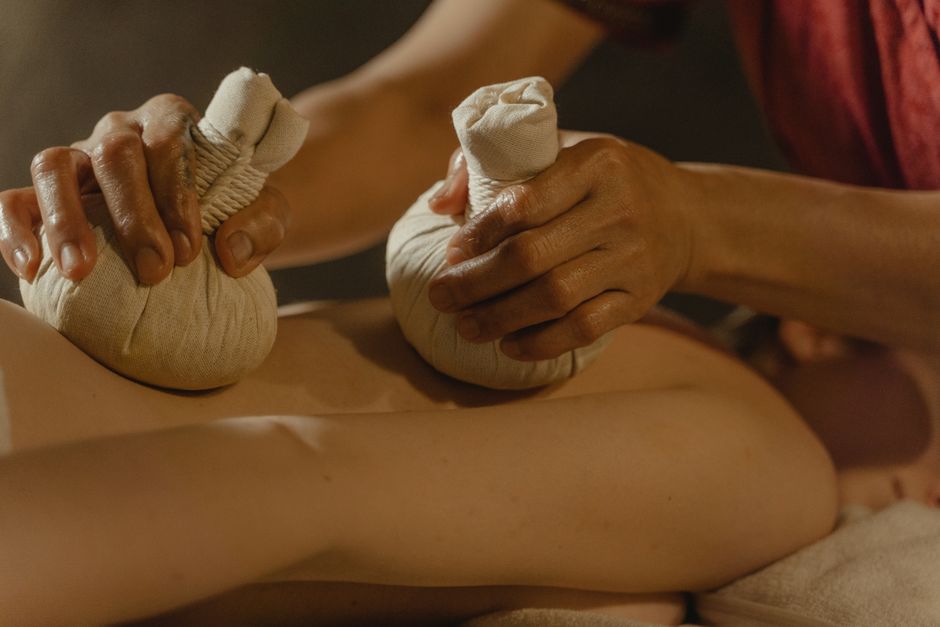
Muscle tightness can make even simple daily tasks feel harder. Heat and stretching are two of the most reliable tools for relaxing tense muscles, and combining them works better than using either alone. Heat increases blood flow and makes muscle tissue more pliable, while stretching lengthens the muscle fibers. For the best results, apply heat first for 10 to 15 minutes, then stretch gently while the muscle is still warm. This approach prepares the tissue for lengthening and reduces the risk of strain.
How Does Heat Actually Relax Muscles?
Heat works on muscles through several measurable effects. When you apply warmth to an area, blood vessels dilate. This increases circulation to the muscle tissue, bringing oxygen and nutrients while carrying away metabolic waste products that contribute to soreness.
Heat also affects the nervous system. Warmth reduces the activity of muscle spindles — the sensory receptors that detect stretch and trigger reflexive contraction. When these receptors calm down, the muscle is less likely to fight against lengthening. This is why a muscle feels more relaxed after a warm shower or heating pad session.
There is an important distinction between moist and dry heat. Moist heat — such as a warm towel or steam — penetrates muscle tissue more deeply than dry heat from an electric pad. Research suggests moist heat reaches deeper tissue layers and may produce more effective muscle relaxation. Both forms work, but moist heat often provides better results for deeper muscle tension.
Why Stretching Alone Sometimes Fails
Stretching a cold, tight muscle often produces the opposite of relaxation. When you pull on a muscle that has not been warmed, the nervous system interprets the stretch as a potential threat. The muscle contracts reflexively to protect itself. This is the stretch reflex — a protective mechanism designed to prevent over-lengthening and injury.
This reflex explains why aggressive stretching of cold muscles frequently leads to soreness or strain. The muscle fights back. You push harder, the muscle contracts more, and you end up with increased tension rather than relief.
Warming the muscle first changes this dynamic. Elevated tissue temperature raises the threshold at which the stretch reflex activates. The muscle allows a greater range of motion before signaling danger. Combined with the increased pliability of warm tissue, this makes stretching more effective and safer.
How To Relax Muscles Heat Stretching More: The Right Order
The sequence matters more than most people realize. Applying heat and stretching simultaneously can be effective, but the evidence supports a specific progression for optimal results.
Start with heat application for 10 to 15 minutes. Use a heating pad, warm compress, or warm bath. The goal is to raise tissue temperature, not to cause discomfort. The skin should feel comfortably warm, never burning. If you are using a heating pad, place a cloth barrier between the pad and your skin to prevent burns.
After the muscle is warm, move into gentle stretching. Hold each stretch for 20 to 30 seconds without bouncing. Bouncing — ballistic stretching — triggers the stretch reflex and increases injury risk. Slow, steady holds allow the muscle fibers to gradually lengthen.
Breathe steadily during the stretch. Exhaling as you deepen the stretch signals the nervous system to relax. Many people hold their breath during stretching, which increases muscle tension rather than reducing it.
After stretching, some clinicians recommend applying cold therapy briefly. This can reduce any inflammation from the stretching activity. However, this is optional and not necessary for basic muscle relaxation.





Which Stretches Work Best for Common Tight Areas
Different muscles respond to different stretching positions. Focus on the areas that feel tight rather than stretching the entire body every time.
For lower back tightness, lying on your back and pulling one knee toward your chest targets the muscles along the spine. For hamstring tension, lying on your back with one leg extended upward and gently pulling toward you provides a safe stretch that protects the lower back. For neck and shoulder tension, gently tilting the head toward each shoulder stretches the upper trapezius muscle.
For calf tightness, stand facing a wall with one foot behind the other and press the back heel toward the floor. For hip flexor tightness — common in people who sit for long periods — a kneeling lunge position stretches the front of the hip.
Hold each stretch for at least 20 seconds. Research indicates that stretches held for 30 seconds or longer produce greater increases in flexibility than shorter holds. However, holding a stretch for more than 60 seconds provides little additional benefit for general muscle relaxation.
When Heat Is Not the Right Choice
Heat is not appropriate for every type of muscle discomfort. Understanding when to avoid heat is as important as knowing when to use it.
Do not apply heat to a muscle that is acutely injured, swollen, or inflamed. If you just pulled a muscle during exercise and the area is swollen or bruised, heat will increase blood flow to the area and potentially worsen the inflammation. In the first 48 to 72 hours after an acute injury, cold therapy is the appropriate choice. Cold constricts blood vessels, reduces swelling, and numbs pain.
Heat is appropriate for chronic muscle tightness, stiffness, and tension that has been present for more than a few days without acute injury. If you wake up with a stiff neck or have chronic lower back tightness from sitting, heat is generally safe and effective.
Certain medical conditions require additional caution with heat application. People with diabetes who have reduced sensation in their extremities may not feel when heat becomes too intense. People with poor circulation, cardiovascular disease, or open wounds should consult a healthcare provider before using sustained heat therapy. Pregnant women should avoid prolonged heat exposure, particularly around the abdomen.
Other Methods That Complement Heat and Stretching
Heat and stretching form a strong foundation for muscle relaxation, but other approaches can enhance results.
Foam rolling before stretching can release tension in the fascia — the connective tissue surrounding muscles. Some evidence suggests that foam rolling combined with static stretching improves flexibility more than stretching alone. Use a foam roller on the tight area for 30 to 60 seconds before moving into your heat-and-stretch routine or after the heat application.
Massage therapy directly reduces muscle tension through mechanical pressure. A professional massage can reach deeper layers than self-massage techniques. Some research indicates that massage reduces pain and improves range of motion in tight muscles, though effects are often temporary.
Hydration plays a supporting role. Muscle tissue is about 75 percent water. Dehydrated muscles are less elastic and more prone to cramping. Maintaining adequate fluid intake throughout the day supports muscle function, though drinking water immediately before stretching will not produce noticeable effects.
Magnesium is frequently promoted for muscle relaxation, but the evidence is mixed. Some studies suggest magnesium supplementation may help with muscle cramps, particularly in older adults. Other research shows no significant benefit. If you are considering magnesium supplementation, discuss it with a healthcare provider rather than assuming it will resolve muscle tightness.
How Long Until You Notice Results
Some muscle relaxation happens immediately. After a single heat-and-stretch session, you will likely feel reduced tension and improved range of motion. These acute effects typically last for a few hours.
Long-term flexibility changes require consistency. Research indicates that regular stretching over several weeks produces lasting increases in muscle length and joint range of motion. Stretching three to five times per week is generally sufficient for noticeable improvement. Daily stretching provides marginal additional benefit but may be appropriate for people with chronic tightness.
The duration of relief depends on the underlying cause of the tightness. If muscle tension stems from poor posture or repetitive strain, the tightness will return unless those contributing factors change. Heat and stretching treat the symptom — muscle tightness — but do not correct the cause. Combining this routine with posture correction, ergonomic adjustments, or strength training may be necessary for lasting improvement.
Frequently Asked Questions
How long should I apply heat before stretching?
Apply heat for 10 to 15 minutes before stretching. This is enough time to increase blood flow and make the muscle tissue more pliable without causing skin irritation.
Is it better to stretch before or after applying heat?
Stretch after applying heat. Warm muscles are more pliable and less likely to trigger the protective stretch reflex that causes tight muscles to resist lengthening.
Can you use heat and ice together for muscle relaxation?
Yes, but at different times. Use heat before stretching to relax the muscle, and ice after stretching only if the area feels inflamed or sore. Do not apply heat and ice simultaneously.
What temperature should a heating pad be for muscle relaxation?
Use the lowest setting that feels comfortably warm. The skin should never feel burning or painful. Always place a cloth between a heating pad and your skin to prevent burns.
