
Tight muscles can make simple tasks feel exhausting. You might be dealing with a stiff neck, a sore lower back, or legs that feel like they are constantly clenched. Many people want relief but do not want to rely on prescription muscle relaxers. The good news is that several effective, evidence-based methods can help release muscle tension. These include targeted heat therapy, gentle stretching, self-massage, proper hydration, and correcting electrolyte imbalances. For most people, a combination of these approaches works better than any single quick fix.
What Actually Causes Muscles to Stay Tight?
Muscle tightness is not random. It is a physical response to signals from your nervous system. When a muscle works hard or is held in one position for too long, the brain keeps sending “contract” signals to that muscle. The muscle fibers stay shortened. Over time, this becomes a cycle — the muscle stays tight, blood flow decreases, and the tissue becomes more sensitive to pain.
Stress plays a major role here too. When you are anxious, your body releases hormones that keep your muscles primed for action. This is the fight-or-flight response. It is useful in a real emergency, but not helpful when you are just sitting at a desk all day. Some research suggests that chronic stress directly contributes to persistent muscle tension in the neck, shoulders, and jaw.
Dehydration and low electrolyte levels can also trigger cramping and tightness. Muscles need calcium, magnesium, potassium, and sodium to contract and relax properly. When these are out of balance, muscles can struggle to let go.
How To Relax Tight Muscles Without Muscle Relaxers: The Fastest Methods
Heat is one of the most reliable ways to relax a tight muscle quickly. Applying a warm compress, heating pad, or warm towel increases blood flow to the area. Better circulation delivers oxygen and nutrients to the muscle while helping flush out waste products that contribute to soreness. Use heat for 15 to 20 minutes at a time. Do not fall asleep with a heating pad on your skin — this can cause burns.
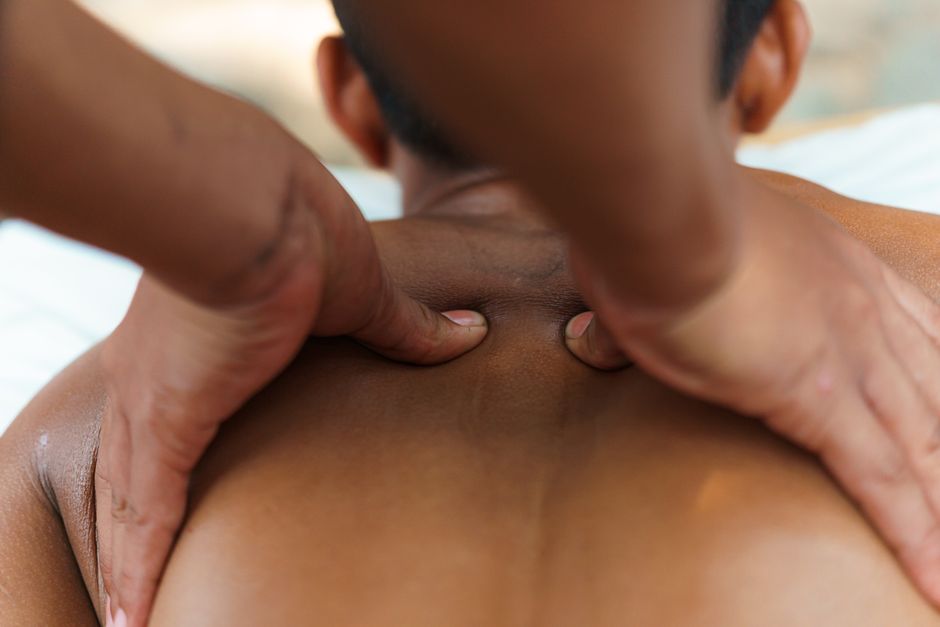
Self-massage is another immediate option. You do not need a professional therapist. Using your hands, a tennis ball, or a foam roller can help release trigger points. When you apply pressure to a tight spot, you are stimulating sensory receptors in the muscle. This can trigger a reflex that tells the muscle to relax. Spend 30 to 60 seconds on each tender spot. The pressure should feel strong but not unbearable.
Gentle movement is also effective. Complete rest can sometimes make tightness worse. Slow, controlled movements like walking or light cycling keep blood flowing without overloading the muscle. The goal is to move the muscle through its full range of motion without forcing it.
Stretching Techniques That Actually Work
Stretching works best when done correctly. Static stretching — holding a position for 30 seconds or more — is useful after a muscle has warmed up. Stretching a cold muscle can cause injury. Spend a few minutes moving around or applying heat before you stretch.
Dynamic stretching is different. This involves moving a joint through its range of motion repeatedly. Arm circles, leg swings, and torso twists are examples. Dynamic stretching is often better before activity because it gradually increases blood flow and prepares the muscle for movement.
One common mistake is bouncing while stretching. This is called ballistic stretching and it can cause tiny tears in muscle fibers. Instead, ease into a stretch slowly and breathe out as you deepen it. Hold the position until you feel a gentle pull, not sharp pain. If a stretch hurts, you are pushing too far.
For lower back tightness, a simple knee-to-chest stretch can help. Lie on your back, pull one knee toward your chest, and hold for 30 seconds. For neck tightness, gently tilt your ear toward your shoulder and hold. These stretches target common problem areas without requiring any equipment.




The Role of Hydration and Electrolytes
Muscle tissue is about 75 percent water. When you are dehydrated, your muscles lose some of their elasticity. They become more prone to cramping and spasms. The solution is not just drinking more water — it is also replacing the electrolytes your body loses through sweat.
Magnesium is particularly important for muscle relaxation. It helps regulate muscle contractions at the cellular level. Some research suggests that magnesium supplementation may help reduce muscle cramps, especially in people who are deficient. Good food sources include leafy greens, nuts, seeds, and whole grains.
Potassium is another key mineral. Low potassium can cause muscle weakness and cramping. Bananas, potatoes, oranges, and spinach are rich sources. Sodium also matters, but most people get plenty from their diet. If you exercise heavily or sweat a lot, a sports drink with electrolytes may help. For everyday tightness, food sources are usually enough.
No clinical guidelines currently exist for using magnesium supplements specifically to treat muscle tightness. If you choose to try one, talk to your doctor first, especially if you have kidney problems or take medications that interact with magnesium.
Foam Rolling and Self-Myofascial Release
Foam rolling is a form of self-massage that targets the fascia — the connective tissue that surrounds muscles. When fascia becomes tight, it can restrict movement and contribute to pain. Rolling applies sustained pressure that can help release this tension.
Research on foam rolling shows it can temporarily increase range of motion and reduce perceived muscle soreness. The effects are short-term, but that can be enough to break the pain cycle. Roll slowly over the muscle group for 30 to 60 seconds. When you find a tender spot, pause and hold pressure on it while breathing deeply.
Do not roll directly over your lower back or neck. These areas contain delicate structures. Instead, use a foam roller on larger muscles like the calves, hamstrings, quadriceps, and upper back. For the neck, use your fingers or a small massage ball with light pressure.
Mind-Body Techniques for Muscle Relaxation
Because stress keeps muscles tight, calming your nervous system can directly relax your body. Deep breathing is one of the simplest tools. Slow, diaphragmatic breathing activates the parasympathetic nervous system — the “rest and digest” branch. This can lower heart rate and signal muscles to release tension.
Progressive muscle relaxation is a structured technique with strong evidence behind it. Start at your toes. Tense the muscles for 5 seconds, then release and notice the sensation of relaxation. Move up through your feet, legs, abdomen, hands, arms, shoulders, and face. This practice trains your brain to recognize the difference between tension and relaxation.
Some research indicates that regular mindfulness practice can reduce muscle tension associated with chronic pain. This does not mean meditation will cure a structural problem. But it can reduce the nervous system’s contribution to muscle tightness, which is often significant.
When To See a Doctor About Muscle Tightness
Most muscle tightness resolves with home care within a few days. But some situations warrant medical attention. See a doctor if the tightness lasts more than a week despite your efforts, if it is accompanied by numbness or tingling, or if it follows an injury.
Seek emergency care immediately if muscle tightness comes with chest pain, difficulty breathing, severe weakness, or a sudden inability to move a limb. These could be signs of a more serious condition like a blood clot or a neurological problem.
If tightness is interfering with your sleep, work, or daily activities, a physical therapist can help. They can identify the specific muscles involved and design a targeted stretching and strengthening program. This is often more effective than guessing which stretches to do on your own.
Frequently Asked Questions
How long does it take to relax a tight muscle?
Heat and massage can provide relief within 15 to 20 minutes. Chronic tightness that has built up over weeks usually takes several days of consistent stretching and self-care to fully resolve.
Is it safe to use a foam roller on my neck?
No. The neck contains delicate structures that can be injured by direct rolling pressure. Use your fingers or a small massage ball with light pressure on the neck instead.
Can dehydration really cause muscle tightness?
Yes. Dehydration reduces blood volume and makes muscle tissue less elastic. It also disrupts the electrolyte balance that muscles need to contract and relax normally.
What is the best stretch for a tight lower back?
The knee-to-chest stretch is a safe and effective starting point. Lie on your back, pull one knee toward your chest, and hold for 30 seconds. Repeat on both sides.
