
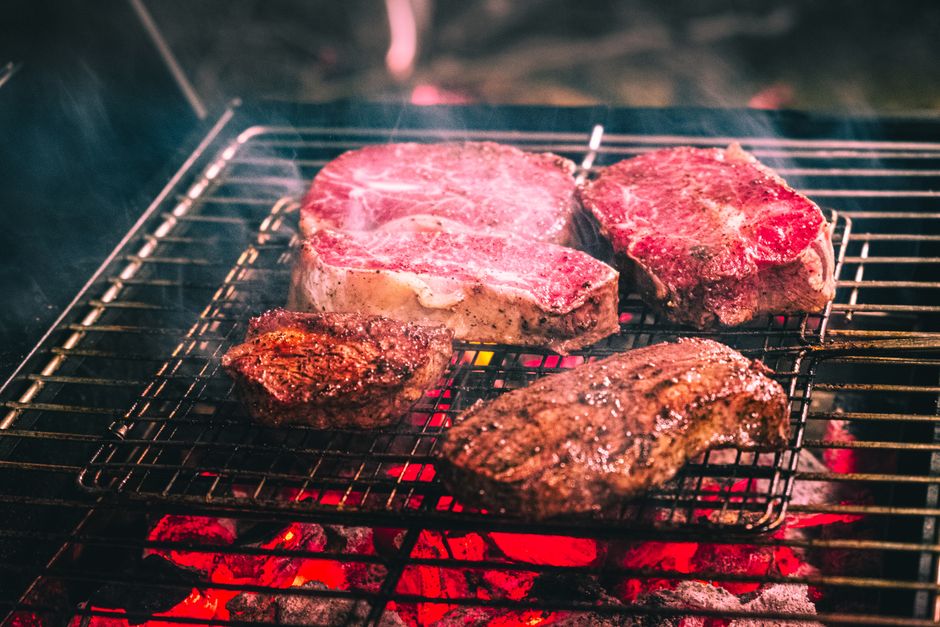
Eating raw steak is riskier than many people realize. While a seared crust with a rare center is common in steakhouses, truly raw steak — never cooked — carries a real chance of food poisoning. The risks come from bacteria and parasites that can live on the meat’s surface. Cooking is the only reliable way to kill them.
What Happens When You Eat Raw Steak?
Your body treats raw steak like any other raw meat. Within hours or days, you may develop nausea, vomiting, stomach cramps, or diarrhea. These symptoms are the result of harmful bacteria multiplying in your digestive tract. In healthy adults, symptoms often pass in a few days. For some people, the infection can become serious enough to require medical care.
The severity depends on the bacteria present, how much you ate, and your overall health. Some people eat raw steak and feel nothing at all. Others end up sick within 12 to 72 hours. There is no way to predict which outcome you will get.
What Bacteria Live on Raw Steak?
Raw beef can carry several types of harmful bacteria. The most common concern is E. coli, specifically strains that produce a toxin called Shiga toxin. This toxin can damage the lining of the intestine and, in severe cases, lead to kidney failure.
Other bacteria found on raw beef include Salmonella, Listeria, and Campylobacter. These are the same germs behind many food poisoning outbreaks. They get onto the meat during slaughter or processing. Even high-quality beef from a trusted butcher is not guaranteed to be free of them.
Ground beef carries a higher risk than whole cuts. Grinding spreads surface bacteria throughout the meat. A whole steak keeps bacteria mostly on the outside, which is why searing the surface can make it safer. But that only works if the entire surface reaches a high enough temperature.
Can You Get Parasites From Raw Steak?
Parasites are less common than bacteria but still a real risk. The main parasite of concern in beef is Taenia saginata, commonly called the beef tapeworm. If you swallow tapeworm eggs or larvae, they can grow inside your intestines.
A tapeworm infection may cause mild symptoms like abdominal discomfort, nausea, or weight loss. Some people have no symptoms at all. The infection is treatable with prescription medication, but it is entirely preventable by cooking meat thoroughly.
Another parasite, Toxoplasma gondii, can also be present in raw meat. This parasite is especially dangerous for pregnant women because it can harm the developing baby. People with weakened immune systems also face higher risks from toxoplasmosis.





Is Raw Steak the Same as Steak Tartare?
Steak tartare is a dish made from raw beef, typically served with egg yolk, onions, and seasonings. It is not the same as eating a raw steak you bought at the grocery store. Tartare is usually prepared from carefully sourced beef that has been handled with extra precautions.
Still, steak tartare carries the same fundamental risks. No matter how carefully the meat is handled, it is not cooked. Bacteria are not completely eliminated by trimming or washing. Restaurants that serve tartare accept a certain level of risk and inform customers of it.
Some people believe that very fresh meat is safe to eat raw. Freshness does reduce some risks but does not eliminate them. Bacteria can be present on the meat from the moment of slaughter. Freezing kills some parasites but does not kill bacteria.
Who Faces the Highest Risk From Raw Steak?
Certain groups should never eat raw or undercooked meat. These include:
- Pregnant women
- Young children
- Older adults
- People with weakened immune systems
- People taking medications that suppress immunity
For these groups, even a mild infection can become severe. Dehydration from diarrhea is a particular concern for young children and older adults. Pregnant women face risks to the fetus as well as themselves.
Healthy adults are not immune to complications. A severe E. coli infection can lead to a condition called hemolytic uremic syndrome, which can cause permanent kidney damage. This is rare but possible.
What Temperature Kills Bacteria in Beef?
The USDA recommends cooking whole cuts of beef to an internal temperature of 145°F (63°C) with a three-minute rest time. Ground beef should reach 160°F (71°C). These temperatures are based on research showing they kill harmful bacteria.
Rare steak is cooked to about 125°F to 130°F. That is below the recommended safe temperature. A steak cooked rare is not raw, but it is still undercooked by official standards. The risk is lower than with raw meat but not zero.
Using a meat thermometer is the only reliable way to know the internal temperature. Color is not a dependable indicator. A steak can look browned on the outside and still be undercooked inside.
What Should You Do If You Get Sick After Eating Raw Steak?
If you develop diarrhea or vomiting after eating raw steak, focus on staying hydrated. Drink water, clear broths, or oral rehydration solutions. Avoid dairy, caffeine, and alcohol until symptoms improve.
Most food poisoning cases resolve on their own within a few days. You should seek medical care if you experience any of the following:
- Blood in your stool
- A fever above 101.5°F (38.6°C)
- Signs of dehydration such as dark urine or dizziness
- Symptoms lasting more than three days
- Severe abdominal pain
Do not take over-the-counter anti-diarrheal medications without talking to a doctor first. Some of these drugs can make certain bacterial infections worse by keeping the bacteria in your system longer.
Is There Any Nutritional Benefit to Eating Raw Steak?
Raw steak contains the same protein, iron, and B vitamins as cooked steak. Cooking does destroy some heat-sensitive nutrients, but the difference is small. The nutritional loss from cooking is not significant enough to justify the infection risk.
Your body actually absorbs some nutrients better from cooked meat. Cooking breaks down muscle fibers, making protein easier to digest. Iron from cooked beef is well absorbed by the body. There is no proven health advantage to eating raw beef.
Frequently Asked Questions
Can you get food poisoning from raw steak?
Yes. Raw steak can carry E. coli, Salmonella, Listeria, and other bacteria that cause food poisoning. Symptoms typically appear within 12 to 72 hours after eating.
Is it safe to eat raw steak from a high-end butcher?
No butcher can guarantee bacteria-free meat. High-quality handling reduces risk but does not eliminate it. Cooking remains the only reliable way to make beef safe.
What is the difference between rare steak and raw steak?
Rare steak is cooked to about 125°F to 130°F, which kills some surface bacteria. Raw steak is never cooked and carries a higher risk of infection.
Can freezing raw steak kill bacteria?
Freezing kills some parasites but does not kill bacteria. Most bacteria survive freezing and become active again when the meat thaws.
