
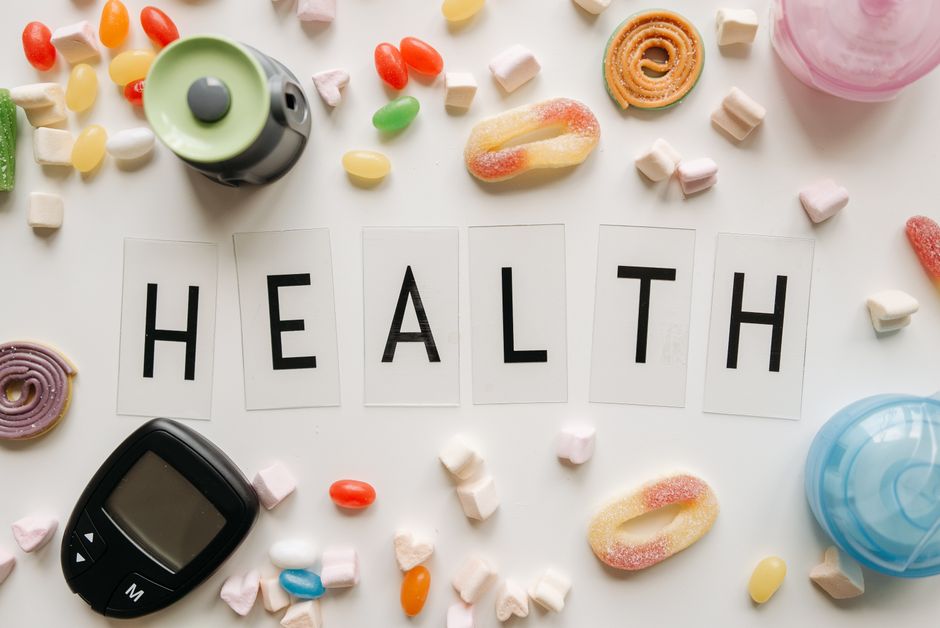
When your blood sugar drops too low, you need to act fast. The quickest way to raise it is to eat or drink about 15 grams of fast-acting carbohydrate, wait 15 minutes, and check your levels again. This is the standard approach for treating mild hypoglycemia, and it works because simple sugars enter your bloodstream quickly without needing to be digested first.
What Counts as a Fast-Acting Carbohydrate?
Fast-acting carbohydrates are sugars your body absorbs rapidly. They do not require much breakdown in your digestive system. This is why they work faster than complex carbs like whole grains or beans.
Common options that deliver roughly 15 grams of carbohydrate include:
- 4 ounces (half a cup) of regular fruit juice
- Half a can of regular soda, about 5 to 6 ounces
- 1 tablespoon of sugar, honey, or syrup
- 3 to 4 glucose tablets
- 1 tube of glucose gel
- 8 to 10 hard candies, such as Life Savers
These amounts are based on standard diabetes care guidelines. They are well established for treating mild hypoglycemia in people who can swallow safely.
Why the 15-15 Rule Works
Diabetes educators and clinicians commonly teach the 15-15 rule. You take in 15 grams of fast-acting carbohydrate, then wait 15 minutes before checking your blood sugar again.
If your blood sugar is still below your target range, you repeat the process. Most people need only one or two rounds to feel better. Once your levels are back to normal, a small snack with protein or complex carbohydrate can help keep them stable.
The 15-minute wait matters. Eating more before checking can push your blood sugar too high. It takes time for the sugar to be absorbed, so giving it a moment to work prevents overcorrection.
What to Avoid When Your Blood Sugar Is Low
Not all sugary foods work equally well. Foods that contain fat or protein slow down sugar absorption. Chocolate, ice cream, and candy bars with nuts are poor choices for a quick fix because the fat delays how fast the sugar reaches your bloodstream.
Whole fruit is also not ideal in the moment. The fiber in fruit slows digestion. While an apple is healthy overall, it will not raise blood sugar as quickly as juice or glucose tablets.
Foods with added sugar but also significant fat, like donuts or pastries, are equally problematic for rapid correction. They may eventually raise your blood sugar, but not quickly enough to treat a true low.
Glucose tablets remain one of the most reliable options. They contain pure glucose, which is the exact sugar your body needs for energy. They are also portioned so you know precisely how many grams you are taking.




When Fast Fixes Are Not Enough
Sometimes the standard approach does not work. If you have taken two rounds of the 15-15 rule and your blood sugar is still low, you should seek medical help. Persistent hypoglycemia can be dangerous.
Severe hypoglycemia is a different situation entirely. If someone is confused, unconscious, or unable to swallow, do not give them food or drink. They could choke. This is a medical emergency requiring immediate attention.
For someone who cannot swallow safely, glucagon is the standard treatment. Glucagon is a hormone that signals the liver to release stored glucose into the bloodstream. It is available as an injection or nasal powder and requires a prescription.
If glucagon is not available and the person cannot swallow, call emergency services immediately. Do not attempt to put food or liquid in their mouth.
Why Blood Sugar Drops in the First Place
Low blood sugar, called hypoglycemia, occurs when glucose levels fall below the normal range. For most people, this is below 70 mg/dL, though your personal target may differ based on your medical history.
The most common cause is diabetes medication. Insulin and certain oral diabetes drugs can lower blood sugar too much, especially if you take too much, skip a meal, or exercise more than usual.
In people without diabetes, hypoglycemia is less common. It can happen after heavy alcohol use, with certain illnesses, or from rare hormone deficiencies. If you do not have diabetes and experience frequent low blood sugar, you should talk to a doctor to find the underlying cause.
How to Prevent Blood Sugar From Dropping Again
Once your blood sugar is back in range, prevention becomes the priority. Eating regular meals and snacks helps maintain steady glucose levels throughout the day.
Matching your carbohydrate intake to your medication schedule is critical. If you take insulin, you need to coordinate your doses with what you eat. Skipping meals while on certain medications is a common trigger for lows.
Exercise also affects blood sugar. Physical activity uses glucose for fuel, which can cause levels to drop during or after a workout. Checking your blood sugar before and after exercise helps you understand how your body responds.
Alcohol is another factor. Drinking, especially on an empty stomach, can cause blood sugar to fall hours later. The liver is busy processing alcohol instead of releasing glucose. This is why a late-night low can happen after an evening of drinking.
Wearing a continuous glucose monitor, if appropriate for your situation, can alert you to dropping levels before symptoms become severe. Many devices allow you to set low-glucose alarms that give you time to act.
Recognizing the Symptoms of Low Blood Sugar
Early symptoms are your warning system. They include shakiness, sweating, hunger, rapid heartbeat, and anxiety. Some people feel dizzy, irritable, or have trouble concentrating.
Symptoms can vary from person to person. Some people experience headaches or blurred vision. Others feel fatigued or weak. Knowing your personal pattern of symptoms helps you catch lows earlier.
If you have had diabetes for many years, you may develop hypoglycemia unawareness. This means you no longer feel the early warning signs. This is why regular blood sugar monitoring is important for anyone at risk.
Nighttime lows are particularly dangerous because you may sleep through the symptoms. Waking up with a headache, feeling drenched in sweat, or having nightmares can be signs of an overnight low.
How Do You Raise Blood Sugar Quick Fixes That Work
The most effective quick fix is pure glucose. It enters your bloodstream faster than any other sugar because it requires no digestion at all. Glucose tablets and gels are designed specifically for this purpose.
If you do not have glucose products on hand, fruit juice and regular soda are excellent alternatives. They contain simple sugars that absorb quickly. Just be sure to choose the regular version, not diet or sugar-free.
Honey and table sugar also work well. A single tablespoon delivers close to the 15-gram target. You can take it directly or dissolve it in water.
The key is knowing what to use before you need it. If you take insulin or other medications that can cause lows, keep a fast-acting carbohydrate source in your bag, car, and bedside table. Being prepared is the single most effective strategy.
Frequently Asked Questions
How long does it take for sugar to raise blood sugar?
Fast-acting carbohydrates typically raise blood sugar within 10 to 15 minutes. This is why the 15-15 rule includes a 15-minute wait before rechecking your levels.
Can I use honey to treat low blood sugar?
Yes, honey works as a quick fix. One tablespoon of honey contains about 17 grams of carbohydrate, close to the 15-gram target for treating mild hypoglycemia.
What should I eat after my blood sugar returns to normal?
A small snack with protein and complex carbohydrate can help stabilize your levels. Examples include crackers with peanut butter, cheese with whole-grain bread, or yogurt.
Is low blood sugar dangerous if I do not have diabetes?
It can be, especially if it happens often or drops very low. If you do not have diabetes and experience frequent low blood sugar, see a doctor to identify the cause.
