

Waking up with a headache, a dry mouth, or feeling like you barely slept can be a sign that your blood sugar rose while you were asleep. Nighttime blood sugar spikes are common, even in people who eat well during the day. The good news is that most of these spikes are preventable by adjusting what you eat in the evening, when you eat it, and how you prepare for bed. The most effective strategy is to balance your evening meal with protein and fiber, avoid high-sugar foods in the hours before bed, and address any underlying sleep issues that drive your body’s stress hormones.
Why Does Blood Sugar Rise Overnight?
Your body does not shut down when you sleep. It is actively repairing tissue, consolidating memory, and regulating hormones. One of those hormones, glucagon, tells your liver to release stored sugar into your bloodstream to keep your brain fueled overnight.
This process is normal. In a healthy person, the pancreas releases insulin to manage that sugar release, keeping levels steady. Problems occur when the liver releases too much sugar or when your body’s cells resist the insulin trying to move that sugar out of the blood. When this happens, blood sugar climbs, and the climb is often most noticeable in the morning.
This natural early-morning surge is called the dawn phenomenon. It affects most people to some degree. For people with diabetes or prediabetes, the surge can push blood sugar into unhealthy ranges. For others, it may cause a mild spike that goes unnoticed but still disrupts sleep quality.
What Causes Blood Sugar To Spike While You Sleep?
Several distinct factors can raise nighttime blood sugar. Understanding which one applies to you is the first step in fixing the problem.
Evening meal composition. A dinner high in refined carbohydrates — white bread, pasta, rice, sugary sauces — will raise blood sugar for hours afterward. If you eat close to bedtime, your body is still processing that meal when you lie down. The result is a spike that peaks during the first half of the night.
Late-night snacking. A dessert or a bowl of cereal right before bed delivers a quick sugar load. Your body’s insulin response is slower during sleep, so that sugar stays in the blood longer than it would during the day.
Sleep deprivation. Short or poor sleep raises cortisol, the stress hormone. Cortisol signals the liver to release sugar. Even one night of poor sleep can measurably affect morning blood sugar levels. Chronic sleep restriction makes the problem worse over time.
Alcohol. Alcohol can cause blood sugar to drop initially, then spike later in the night as the liver processes the alcohol and releases stored sugar. This rebound effect is unpredictable and can be dangerous for people on diabetes medications.
Medications. Some blood pressure drugs, steroids, and certain antidepressants can raise blood sugar. If you take medication in the evening, timing may play a role in nighttime spikes.
How To Prevent Blood Sugar Spikes At Night Through Your Evening Meal
The single most controllable factor is what you eat in the hours before sleep. You do not need to follow a rigid diet, but you do need to follow a pattern that keeps sugar absorption slow and steady.
Build your evening plate around protein, fiber, and healthy fat. Protein slows stomach emptying, which means sugar enters the bloodstream gradually. Fiber does the same and also feeds the gut bacteria that help regulate glucose metabolism. Fat slows digestion further, which is helpful at dinner but can be counterproductive if you eat a heavy, fatty meal immediately before bed.
A practical rule: aim for at least half your plate to be non-starchy vegetables, a quarter protein, and a quarter carbohydrates. If you choose a starchy carbohydrate like rice or potatoes, keep the portion modest and pair it with the protein and vegetables.
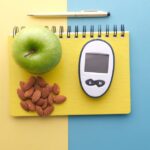
Timing matters more than most people realize. Eating your largest meal at least three hours before bed gives your body time to process the glucose before you lie down. If you are hungry closer to bedtime, choose a small snack that combines protein and a small amount of complex carbohydrate — for example, a few nuts with a slice of cheese, or plain Greek yogurt with a few berries.



What To Avoid In The Evening
Certain foods and drinks are more likely to cause nighttime spikes. You do not have to cut them out completely, but you should be careful about when and how much you consume.
Sugary desserts are the obvious culprit. Ice cream, cake, cookies, and sweetened drinks deliver a large amount of sugar in a short window. If you want something sweet after dinner, keep it small and eat it with your meal rather than as a standalone snack two hours later.
Refined grains — white bread, white rice, and pasta — behave like sugar in the body. They are broken down quickly and cause a rapid rise in blood glucose. Whole grain versions are absorbed more slowly because they retain their fiber.
Large meals close to bedtime. Even a healthy meal can cause a spike if eaten too late. Your body’s insulin sensitivity naturally declines in the evening, so a big meal at 10 p.m. will raise blood sugar more than the same meal at 6 p.m.
Alcohol is particularly tricky. A drink with dinner may cause an initial drop in blood sugar, followed by a rebound spike hours later. For people with diabetes, this can be dangerous. If you drink, do so with food and monitor your levels if you have a glucose meter.
The Role Of Sleep Quality In Blood Sugar Control
Blood sugar control and sleep are a two-way street. High blood sugar can disrupt sleep, and poor sleep can raise blood sugar.
When you are sleep deprived, your body produces more cortisol and more ghrelin, the hunger hormone. At the same time, it produces less leptin, the hormone that tells you when you are full. This hormonal shift makes you more likely to crave carbohydrates the next day and less able to process them efficiently.
Research consistently shows that adults who sleep fewer than six hours per night have higher fasting blood sugar and a higher risk of developing type 2 diabetes. Improving sleep duration and quality is one of the most effective lifestyle changes for blood sugar management, even if it does not show up on a lab report immediately.
If you struggle with sleep, address the basics first: a cool dark room, a consistent bedtime, and no screens for 30 minutes before sleep. If you suspect sleep apnea — loud snoring, gasping at night, daytime fatigue — talk to a doctor. Untreated sleep apnea is strongly linked to poor blood sugar control.
When To Check Your Blood Sugar At Night
If you have diabetes or prediabetes, you may want to confirm whether you are actually spiking at night before changing your routine. A continuous glucose monitor (CGM) is the most useful tool because it shows your levels throughout the night without waking you.
If you use a fingerstick meter, checking at bedtime and again immediately upon waking gives you a rough picture. If your fasting morning reading is significantly higher than your bedtime reading, you are likely experiencing a nighttime rise. If your morning reading is similar to your bedtime reading, your liver is probably not overproducing sugar.
One important distinction: a high morning reading can also mean your blood sugar dropped too low overnight and your body released emergency sugar to correct it. This is called the Somogyi effect. It is less common than the dawn phenomenon but more dangerous. If your bedtime reading is normal and your morning reading is high, talk to your doctor about whether you need to check your blood sugar in the middle of the night to determine which pattern you have.
Does Exercise In The Evening Help?
Yes, but timing and intensity matter. A short walk after dinner — even 10 to 15 minutes — helps your muscles absorb glucose directly from the bloodstream without needing as much insulin. This effect lasts for hours and can reduce the magnitude of a nighttime spike.
Vigorous exercise close to bedtime is a different story. Intense workouts raise adrenaline and cortisol, which can keep you awake and may cause a temporary blood sugar rise. If you exercise intensely in the evening, finish at least two hours before bed and have a small protein-based snack afterward if you are hungry.
For most people, the simplest and most effective habit is a post-dinner walk. It does not need to be fast or long. The goal is gentle movement that helps your body use the glucose from your evening meal.
What To Do If You Wake Up With High Blood Sugar
Do not immediately take a large dose of insulin or diabetes medication on your own. That can cause a dangerous low later in the morning. Instead, drink a glass of water, eat a normal breakfast that includes protein, and note the reading in a log or app.
If you see a pattern of high morning readings over a week, bring the log to your doctor. They can adjust medication timing, dosage, or help you identify whether the dawn phenomenon or the Somogyi effect is responsible. Do not change your medication schedule based on a single reading.
For people without diabetes who notice high morning readings on a home monitor, this is worth discussing with a doctor. A fasting blood sugar above 100 mg/dL on multiple occasions meets the diagnostic threshold for prediabetes and warrants further evaluation.
Frequently Asked Questions
What is the best bedtime snack to prevent blood sugar spikes?
A small snack that combines protein and fiber, such as plain Greek yogurt with a few berries or a small handful of nuts, is the best choice. Avoid snacks that are mostly carbohydrates or sugar, especially within an hour of bed.
How long before bed should I stop eating to prevent high blood sugar?
Stop eating your main meal at least three hours before bedtime. If you need a small snack, keep it light and eat it at least one hour before lying down.
Can drinking water before bed lower nighttime blood sugar?
Staying hydrated helps your kidneys flush excess sugar through urine, but water alone will not prevent a spike caused by a high-carbohydrate meal. It is a supportive habit, not a fix.
Does the dawn phenomenon require medication?
Not always. For many people, adjusting the timing and composition of the evening meal reduces the morning rise. If fasting blood sugar remains above 130 mg/dL despite dietary changes, medication adjustment may be needed — discuss this with your doctor.
