
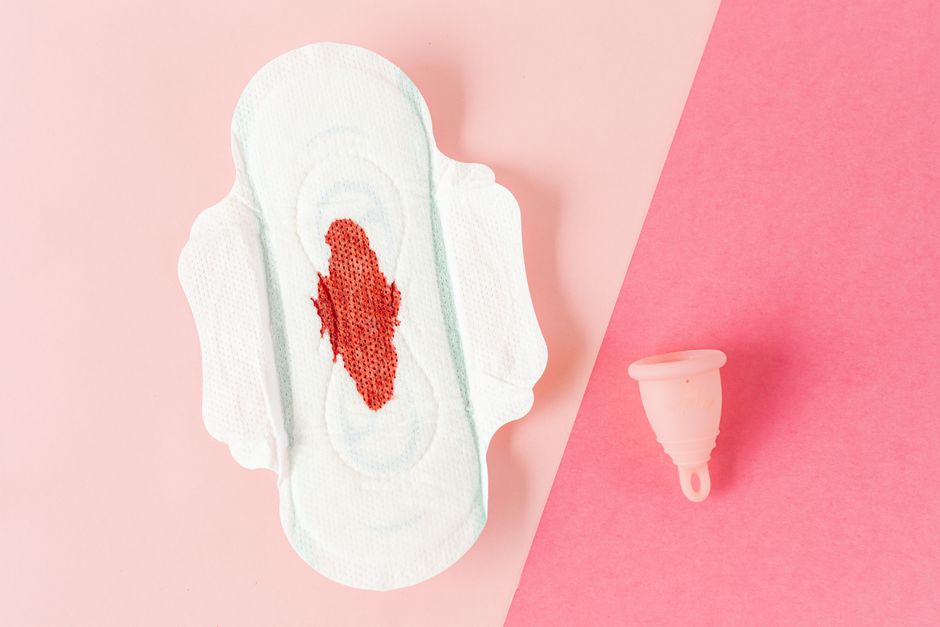
Most people want a shorter period for one simple reason: their current one is too heavy, too painful, or too disruptive. The most reliable ways to reduce your period involve medical options like hormonal birth control, which can shorten bleeding days or stop it entirely. For lighter, less invasive changes, some research supports specific supplements, but the evidence is far weaker. The honest answer is that you have two main paths — medical treatment with proven results, or natural approaches with limited and mixed evidence.
What Does “Reducing Your Period” Actually Mean?
Before choosing an approach, it helps to define the goal. Some people want fewer bleeding days. Others want a lighter flow. Some want to skip periods completely. These are different outcomes, and not every method achieves all three.
A normal period lasts between 2 and 7 days. Bleeding longer than 7 days is called menorrhagia, and it affects roughly 1 in 5 people who menstruate. If your period regularly exceeds 7 days, or you soak through a pad or tampon every hour for several hours, that is a medical issue worth discussing with a clinician — not just a lifestyle inconvenience.
Heavy menstrual bleeding can also cause iron deficiency over time. Fatigue, shortness of breath, and pale skin can all be signs that heavy periods are draining your iron stores. Treating the bleeding itself is often the most direct way to address those symptoms.
Can Hormonal Birth Control Shorten Your Period?
Yes. This is the most effective and most studied way to reduce menstrual bleeding. Hormonal contraceptives work by thinning the uterine lining, which means there is less tissue to shed when you bleed.
Combined oral contraceptives (the pill containing estrogen and progestin) are commonly prescribed for this purpose. Taking the pill continuously — skipping the placebo week — can reduce periods to four times a year or eliminate them entirely. This is a well-established clinical practice, not an off-label experiment.
Progestin-only methods also reduce bleeding. The hormonal intrauterine device (IUD) is particularly effective. Research consistently shows that the levonorgestrel IUD reduces menstrual blood loss by 50% to 90% within the first year of use. Many users report lighter periods after 3 to 6 months, and some stop bleeding altogether.
The birth control implant and the progestin-only pill can also lighten periods, though irregular spotting is common in the first few months. The Depo-Provera injection often stops periods completely after a year of use, but it carries a risk of bone density loss with long-term use, so it is not typically recommended as a first-line choice for reducing periods.
None of these methods are “natural,” but they are the only approaches with strong clinical evidence for reducing menstrual bleeding. If your priority is a shorter, lighter period, a hormonal method is the most reliable route.
What About Ibuprofen and Other Pain Relievers?
Nonsteroidal anti-inflammatory drugs (NSAIDs) like ibuprofen do more than relieve cramps. They also reduce menstrual blood loss. Studies have found that NSAIDs reduce menstrual bleeding by about 20% to 40% in people with heavy periods.
The mechanism is straightforward. NSAIDs block prostaglandins, the hormone-like compounds that cause uterine contractions and contribute to heavy bleeding. Less prostaglandin activity means less cramping and less blood flow.
For this effect, timing matters. Taking ibuprofen at the first sign of your period, and continuing every 6 to 8 hours for the first 2 to 3 days, is the common clinical approach. The exact dose depends on the formulation, so follow the label instructions or your clinician’s guidance.
NSAIDs are not appropriate for everyone. They can irritate the stomach lining and are risky for people with kidney disease, a history of stomach ulcers, or bleeding disorders. They should not be used long-term without medical supervision.





Do Supplements Like Tranexamic Acid Help?
Tranexamic acid is not a supplement — it is a prescription medication. It works by helping blood clot more effectively at the uterine lining.
Clinical trials have consistently shown that tranexamic acid reduces menstrual blood loss by 30% to 50% in people with heavy periods. It is taken only during bleeding days, usually for up to 4 days per cycle. It does not shorten the number of days you bleed as reliably as hormonal methods, but it can make each day significantly lighter.
This medication is widely used in Europe and is approved by the FDA in the United States for heavy menstrual bleeding. It is a legitimate, evidence-based option, but it requires a prescription.
Over-the-counter supplements are a different story. Some products claim to reduce menstrual bleeding with ingredients like vitamin C, rose hips, or shepherd’s purse. The evidence for these is thin. No large, well-controlled human trials have confirmed that any over-the-counter supplement reliably reduces menstrual blood loss. Some clinicians recommend them based on traditional use or small studies, but that is not the same as proven benefit.
Are There Natural Ways To Reduce Your Period?
The honest answer is that natural approaches have limited evidence. That does not mean they do nothing — it means we do not have solid proof that they work.
Ginger is one of the more studied options. Some research suggests that taking ginger powder during the first few days of your period may reduce bleeding volume. The studies are small, and the quality varies, but the direction of the evidence is mildly positive.
Vitamin C is sometimes recommended because it may strengthen capillaries and improve iron absorption. There is no strong clinical evidence that it shortens periods or reduces flow on its own.
Diet and exercise can influence menstrual regularity, but they do not reliably reduce bleeding volume. Maintaining a healthy weight may help regulate cycles, and regular exercise can reduce cramping, but neither has been shown to meaningfully lighten flow.
Here is the uncomfortable truth: if a natural product reliably reduced menstrual bleeding, drug companies would be studying it for profit. The absence of large, funded trials on these supplements is itself informative. It suggests that early signals were not strong enough to justify the investment.
When Should You See a Doctor About Heavy Periods?
Heavy bleeding is not something to simply tolerate. You should seek medical evaluation if you experience any of the following:
- Bleeding that lasts more than 7 days
- Soaking through a pad or tampon every hour for 2 or more consecutive hours
- Passing clots larger than a quarter
- Bleeding between periods
- Fatigue, dizziness, or shortness of breath that suggests anemia
These symptoms can indicate underlying conditions like uterine fibroids, polyps, adenomyosis, or a bleeding disorder. They can also be a sign of hormonal imbalance. A clinician can run blood tests, perform an ultrasound, and identify the cause before recommending treatment.
Do not assume heavy periods are just “your normal.” They can be a treatable medical condition, and ignoring them can lead to chronic iron deficiency and reduced quality of life.
What If You Want To Stop Your Period Completely?
Some people want zero periods. This is a valid request, and medicine has options for it.
Continuous use of combined oral contraceptives — taking active pills every day without the placebo week — is one approach. Many people do this for months at a time. Breakthrough bleeding can occur, especially in the first few months, but it often settles down.
The hormonal IUD is another option that leads to very light or absent periods in many users. The Depo-Provera injection also commonly stops periods, but the bone density concern limits its long-term use.
Surgical options exist but are permanent. Endometrial ablation destroys the uterine lining and can stop bleeding entirely, but it is only appropriate for people who do not want future pregnancies. Hysterectomy removes the uterus and ends periods permanently, but it is major surgery with significant recovery time.
There is no medical requirement to have a period every month. The bleeding you get on hormonal birth control is not a “real” period — it is withdrawal bleeding from the hormone drop during the placebo week. Skipping that drop is safe and does not cause blood to “build up” in the body.
Frequently Asked Questions
Can ibuprofen actually make your period shorter?
Ibuprofen can reduce menstrual blood loss by about 20% to 40%, but it does not reliably shorten the number of days you bleed. It works best for lighter flow and cramp relief when taken at the first sign of your period.
Is it safe to skip your period with birth control?
Yes, skipping periods with continuous hormonal birth control is safe for most people. The bleeding you get on the pill is withdrawal bleeding, not a real period, and there is no medical requirement to have it monthly.
Do any supplements actually reduce period flow?
Some small studies suggest ginger may reduce bleeding volume, but no over-the-counter supplement has strong clinical evidence for this purpose. Prescription tranexamic acid is the only non-hormonal option with proven effectiveness.
What is the fastest way to lighten a heavy period?
Prescription tranexamic acid works within hours to reduce bleeding and is taken only during your period. Hormonal birth control takes 1 to 3 months to show its full effect on flow.
