
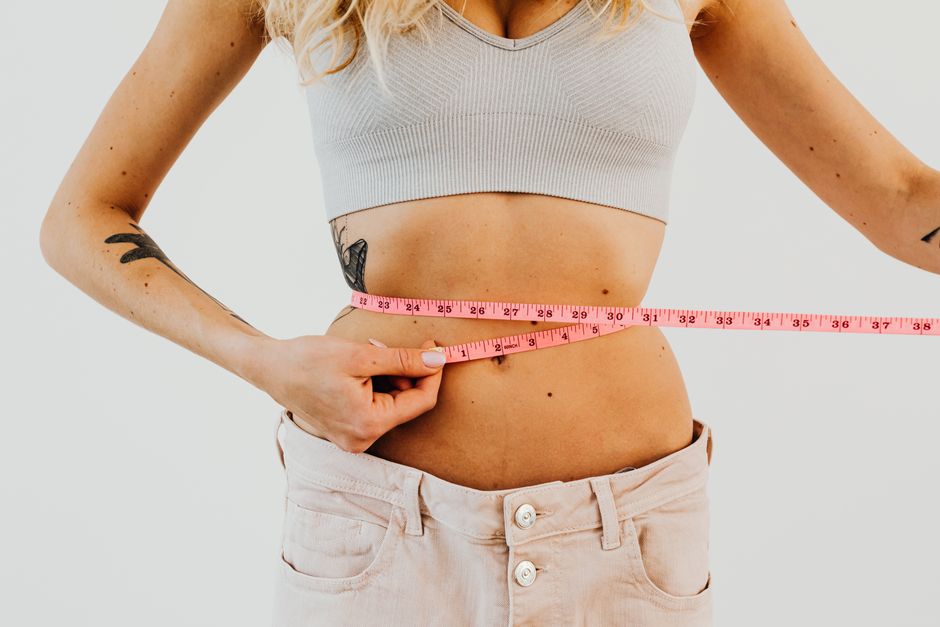
Subcutaneous fat is the soft fat you can pinch just under your skin. You reduce it by creating a sustained calorie deficit, eating enough protein to protect muscle, doing regular aerobic and strength exercise, and sleeping well enough that your hunger hormones stay in check. Spot reduction does not work, and no food or supplement burns fat from one specific area.
What Is Subcutaneous Fat?
Subcutaneous means “under the skin.” This fat sits directly beneath your dermis, layered over your muscles. It is the fat you can grab with your fingers on your belly, thighs, hips, and upper arms.
It is different from visceral fat, which wraps around your internal organs deep inside your abdomen. You cannot pinch visceral fat. It is measured indirectly, usually through waist circumference or imaging.
That distinction matters because the two fats behave differently. Visceral fat is more metabolically active and is more strongly linked to heart disease, type 2 diabetes, and fatty liver. Subcutaneous fat is largely a storage depot. Some research suggests it may even carry some protective metabolic effects, though this is an active area of study and not fully settled.
Most body fat in healthy adults is subcutaneous. It serves real functions: it cushions the body, insulates against cold, and stores energy. The goal is not to eliminate it. The goal is to bring it to a level that supports health.
Why Is Subcutaneous Fat So Hard to Lose?
Subcutaneous fat is stubborn because your body defends it. Fat tissue is not passive storage. It is an active endocrine organ that releases hormones and signals.
When you lose weight, fat cells shrink but do not disappear in adults. The number of fat cells you have is largely set by early adulthood. That is one reason weight regain is common: the cells are still there, ready to refill.
Hormones also push back. When you eat less, the hormone leptin falls. Leptin signals fullness to the brain. As it drops, hunger rises and energy expenditure tends to fall. The hormone ghrelin, which stimulates appetite, tends to rise. This is a normal physiological response to weight loss, not a personal failing.
Another factor is where your body prefers to store and release fat. This pattern is heavily influenced by genetics and sex hormones. Men often carry more fat in the abdomen. Women often carry more in the hips and thighs, especially before menopause. These patterns shift with age and hormonal changes.
The practical takeaway: fat loss is a slow, whole-body process. There is no switch that targets one zone.
Does Spot Reduction Work?
Spot reduction does not work. Doing crunches will not burn belly fat, and leg lifts will not strip fat from your thighs.
Muscles burn fuel locally, but the fat they use comes from fat cells throughout the body, delivered through the bloodstream. Training a muscle builds and strengthens that muscle. It does not preferentially drain the fat sitting on top of it.
This has been tested. Studies that trained one limb while leaving the other untrained have generally found that fat loss is not concentrated in the trained area. Some studies suggest a small local effect may occur in certain conditions, but the evidence is inconsistent and the effect, if real, is minor.
So what does targeted exercise do? It shapes the muscle underneath. A stronger core and toned legs can change how your body looks even before much fat comes off. That is real, but it is a muscle change, not a fat change.





How To Reduce Subcutaneous Fat: What Actually Works
The core of fat loss is a calorie deficit. You have to take in less energy than you burn, over time. Everything else supports that basic math.
How big a deficit? A common clinical approach is a moderate deficit rather than an aggressive one, because slow loss preserves muscle better and is easier to sustain. Very large deficits tend to backfire through hunger, fatigue, and muscle loss. If you are planning a specific calorie target, that is a conversation worth having with a clinician or registered dietitian rather than guessing.
Here is what the evidence supports:
- Protein. Higher protein intake helps preserve lean muscle during weight loss and tends to increase fullness. Good sources include eggs, poultry, fish, Greek yogurt, beans, and tofu.
- Strength training. Resistance exercise signals your body to keep muscle while you lose fat. This matters because muscle drives resting energy use.
- Aerobic exercise. Walking, cycling, swimming, and similar activity increase daily calorie burn and support heart health. The general public health recommendation is at least 150 minutes of moderate activity per week, plus muscle-strengthening activity on two or more days.
- Sleep. Short sleep is associated with higher hunger and poorer food choices. Most adults need seven or more hours.
- Fiber. Fiber-rich foods like vegetables, whole grains, and legumes increase satiety and support gut health.
- Alcohol and added sugar. Both add calories without much fullness. Cutting back is often one of the easiest levers.
None of this is exotic. The hard part is consistency, not knowledge.
Do Diet, Exercise, or Supplements Target Subcutaneous Fat Specifically?
No diet, exercise, or supplement selectively removes subcutaneous fat. Any intervention that causes fat loss reduces fat across the body, and where it comes off first is largely genetic.
Some supplements are marketed for “belly fat” or “stubborn fat.” The evidence for these claims is generally weak or absent. No large human trials have confirmed that common fat-burner supplements produce meaningful, lasting fat loss on their own. Some carry real risks, including elevated heart rate, blood pressure changes, and liver injury.
Prescription medications and procedures exist for weight management, including some that target appetite hormones and some that remove or destroy fat cells in specific areas. These are medical decisions. They require a clinician, and they carry their own risks and limitations. They are not a shortcut around the fundamentals of diet, activity, and sleep.
How Long Does It Take to Reduce Subcutaneous Fat?
Fat loss takes weeks to months, not days. Early weight loss on the scale is often water and glycogen, not fat. Real fat change shows up more slowly.
Because a pound of fat represents a large amount of stored energy, meaningful change requires a sustained deficit over time. This is why crash diets tend to fail: they produce fast scale movement that is mostly water, followed by rebound.
A more useful measure than the scale is how your clothes fit and your waist circumference. Waist measurement tracks abdominal fat better than weight alone. For reference, a waist circumference above 40 inches in men and above 35 inches in women is generally considered a marker of elevated health risk, though thresholds vary by population and guidance.
Progress is rarely linear. Plateaus are normal. They often reflect water shifts, hormonal cycles, or a slowly shrinking deficit as your body gets smaller and burns fewer calories.
Can You Reduce Subcutaneous Fat Without Losing Muscle?
Yes, and protecting muscle should be a goal, not an afterthought. Muscle is metabolically valuable and helps you look and function better.
Three things protect muscle during fat loss:
- A moderate rather than extreme calorie deficit
- Adequate protein intake
- Regular strength training
When these are missing, a large share of weight lost can come from muscle rather than fat. That is one reason the scale can be misleading. Two people can lose the same number of pounds and end up with very different bodies.
Protein needs during weight loss are generally higher than at maintenance, but specific targets depend on body weight, activity, and health status. If you have kidney disease or another condition that affects protein handling, this is a conversation for your clinician, not a general guideline.
When Should You Talk to a Doctor?
Talk to a clinician before starting a weight loss plan if you have a chronic condition, take prescription medications, are pregnant or breastfeeding, or have a history of an eating disorder.
Also seek medical advice if you notice fat loss without trying, if your weight changes rapidly, or if you have symptoms like persistent fatigue, unusual thirst, or changes in your menstrual cycle. Unexplained weight change can signal an underlying condition and should be evaluated.
For most people, the fundamentals are unglamorous and effective: eat a bit less, move more, lift something heavy, sleep enough, and be patient. There is no hidden trick. Anyone selling one is selling something else.
Frequently Asked Questions
Can you target belly fat with exercise?
No, spot reduction does not work, so crunches will not burn fat from your belly specifically. Core exercise strengthens muscles and can improve how your midsection looks, but it does not remove fat from that area alone.
What foods help reduce subcutaneous fat?
No single food burns fat. Foods high in protein and fiber, such as eggs, fish, beans, vegetables, and whole grains, help because they increase fullness and support muscle, which makes a calorie deficit easier to maintain.
How long does it take to lose subcutaneous fat?
Expect weeks to months of consistent effort before you see clear changes. Early scale movement is often water, and real fat loss is gradual, so waist measurements and how clothes fit are often better indicators than daily weight.
Do fat-burner supplements work for subcutaneous fat?
No large human trials have confirmed that common fat-burner supplements produce meaningful, lasting fat loss on their own. Some carry real risks, including elevated heart rate and liver injury, so treat marketing claims with caution.
