
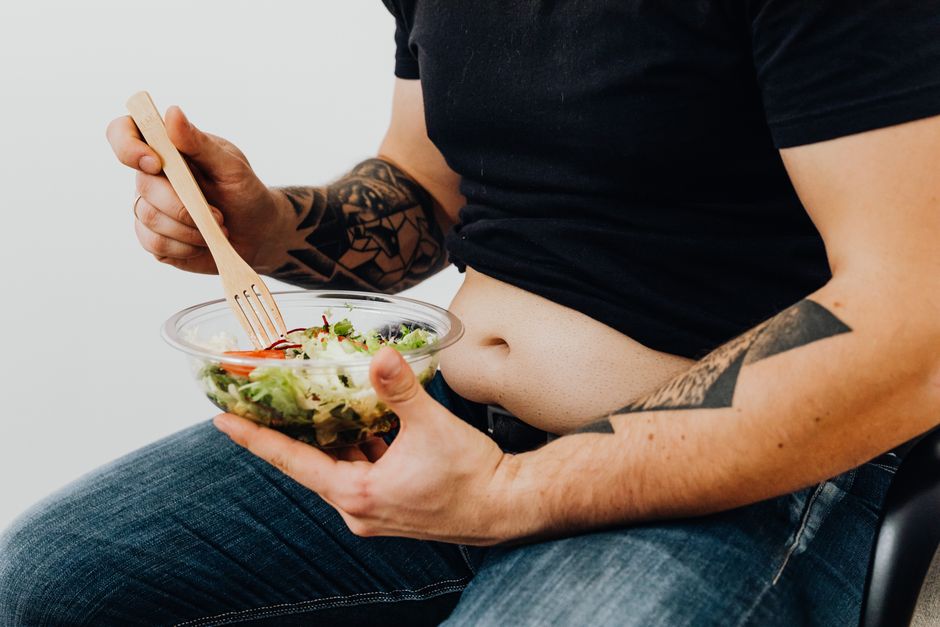
Belly fat in women is not the same as fat elsewhere on the body. Research shows that visceral fat — the kind stored deep in the abdomen around the organs — is more responsive to lifestyle changes than fat under the skin. To lose belly fat, women need to focus on reducing overall body fat through a combination of diet, exercise, and stress management. Spot reduction is not possible. No exercise, food, or supplement removes fat from just one area. The real answer is consistent habits that lower total body fat over time.
What Causes Belly Fat in Women?
Hormones play a major role in where women store fat. Estrogen levels drop during perimenopause and menopause, which shifts fat storage from the hips and thighs to the abdomen. This is a normal biological process, not a personal failure.
Chronic stress also contributes. When you are stressed, your body releases cortisol. High cortisol levels have been linked to increased visceral fat storage. Sleep deprivation raises cortisol too. Women who sleep fewer than five hours per night tend to carry more abdominal fat than those who sleep seven to eight hours.
Diet is the biggest factor. Highly processed foods, added sugars, and refined carbohydrates spike insulin. Insulin is a fat-storage hormone. When insulin stays high, the body holds onto fat, especially around the belly. As of 2026, current research suggests that insulin resistance is one of the strongest predictors of abdominal obesity in women.
Does Diet Play the Biggest Role in Losing Belly Fat?
Yes. Diet is the most powerful tool for reducing belly fat. You cannot out-exercise a poor diet when it comes to visceral fat. Studies have found that reducing calorie intake by 300 to 500 calories per day leads to measurable loss of abdominal fat over eight to twelve weeks.
What you eat matters more than how much you eat. Diets high in protein and fiber consistently show the best results for belly fat loss. Protein increases satiety and has a higher thermic effect, meaning your body burns more calories digesting it. Fiber, especially soluble fiber, slows digestion and reduces the absorption of fats and sugars.
One study from 2021 tracked women who increased their soluble fiber intake by 10 grams per day. They lost 3.7 percent more visceral fat over five years compared to women who did not increase fiber. Ten grams of soluble fiber is roughly two apples, a cup of broccoli, and half a cup of beans.
How to Lose Belly Fat Women: What Exercises Actually Work?
High-intensity interval training (HIIT) and strength training are the most effective exercise types for reducing belly fat. HIIT involves short bursts of intense effort followed by rest. Research shows that HIIT reduces visceral fat more effectively than steady-state cardio in women over 40.
Strength training builds muscle. More muscle increases your resting metabolic rate, which means you burn more calories throughout the day. Compound lifts like squats, deadlifts, and push-ups recruit multiple muscle groups and burn more calories than isolation exercises.
Ab exercises like crunches and planks strengthen the core but do not remove belly fat. They build muscle underneath the fat, which can improve posture and appearance, but the fat layer will not shrink unless overall body fat decreases. A common mistake women make is spending 20 minutes on ab work and skipping strength training or HIIT.
The best approach is a mix. Three days of strength training and two days of HIIT per week produces the most consistent results. Walking is also underrated. Walking 8,000 to 10,000 steps per day lowers cortisol and improves insulin sensitivity, both of which help reduce belly fat.
| Exercise Type | Effect on Belly Fat | Frequency Recommended |
|---|---|---|
| HIIT | Strong evidence for reducing visceral fat | 2-3 times per week |
| Strength Training | Increases metabolism, supports fat loss | 3 times per week |
| Steady-State Cardio | Moderate effect, less effective than HIIT | 2-3 times per week |
| Ab Exercises | Strengthens core, does not remove fat | As part of full routine |
| Walking | Lowers cortisol, improves insulin sensitivity | Daily if possible |





What About Supplements and “Belly Fat” Products?
Most supplements marketed for belly fat do not work. Green tea extract, conjugated linoleic acid, and Garcinia cambogia are widely claimed to burn abdominal fat, but strong evidence is limited. Small studies show modest effects, but the results are not consistent enough to recommend them.
There is no clinical evidence that detox teas, fat-burning pills, or waist trainers reduce visceral fat. These products often cause water loss or temporary bloating reduction, which creates the illusion of a flatter stomach. The fat is still there.
Caffeine can temporarily increase metabolism by 3 to 11 percent. Black coffee or green tea before exercise may help slightly, but the effect is small. Relying on supplements instead of diet and exercise will not produce noticeable results.
One exception is protein powder. Women who struggle to get enough protein from food may benefit from a whey or plant-based protein supplement. Protein powder is not a fat burner, but it helps with satiety and muscle preservation during weight loss.
What Are the Biggest Mistakes Women Make When Trying to Lose Belly Fat?
The most common mistake is severely restricting calories. Eating fewer than 1,200 calories per day triggers a stress response. Cortisol rises, metabolism slows, and the body holds onto fat. Women often lose weight everywhere except the belly when they undereat.
Another mistake is doing endless cardio while avoiding strength training. Cardio burns calories during the workout, but strength training keeps metabolism elevated for hours afterward. Women who only do cardio often lose muscle along with fat, which makes it harder to keep the weight off.
Ignoring sleep is a third mistake. Sleep deprivation raises ghrelin, the hunger hormone, and lowers leptin, the fullness hormone. Women who sleep less than six hours per night eat an average of 300 more calories the next day. That extra eating often targets sugary, high-carb foods that increase belly fat.
- Do not cut calories below 1,400 per day without medical supervision.
- Do not skip strength training. It is essential for long-term fat loss.
- Do not rely on ab exercises alone. They do not remove fat.
- Do not expect results in less than four weeks. Belly fat takes time.
- Do not fall for detox teas or waist trainers. They do not work.
How Long Does It Take to See Results?
Most women see visible changes in belly fat after eight to twelve weeks of consistent diet and exercise. The first few weeks often show no change at all. This is normal. Visceral fat is stored deep and takes longer to mobilize than subcutaneous fat.
Measurements are more reliable than the scale. Waist circumference is a better indicator of belly fat loss than body weight. A loss of one to two inches from the waist over three months is a realistic goal. Losing one to two pounds per week overall is sustainable.
Hormonal changes during menopause can slow progress. Women in perimenopause or menopause may need to be more strict with diet and exercise to see the same results as younger women. This is not fair, but it is accurate. Strength training becomes even more important during this stage.
Frequently Asked Questions About lose belly fat women
Can you lose belly fat without exercise?
Yes, diet alone can reduce belly fat, but exercise speeds up the process and helps maintain muscle mass.
Does drinking water help lose belly fat?
Water helps with overall hydration and can reduce bloating, but it does not directly burn belly fat.
How many calories should I eat to lose belly fat?
Most women need between 1,400 and 1,800 calories per day to lose belly fat while maintaining energy and muscle.
Is belly fat harder to lose after menopause?
Yes, hormonal changes make belly fat more stubborn, but consistent strength training and a high-protein diet still produce results.
