
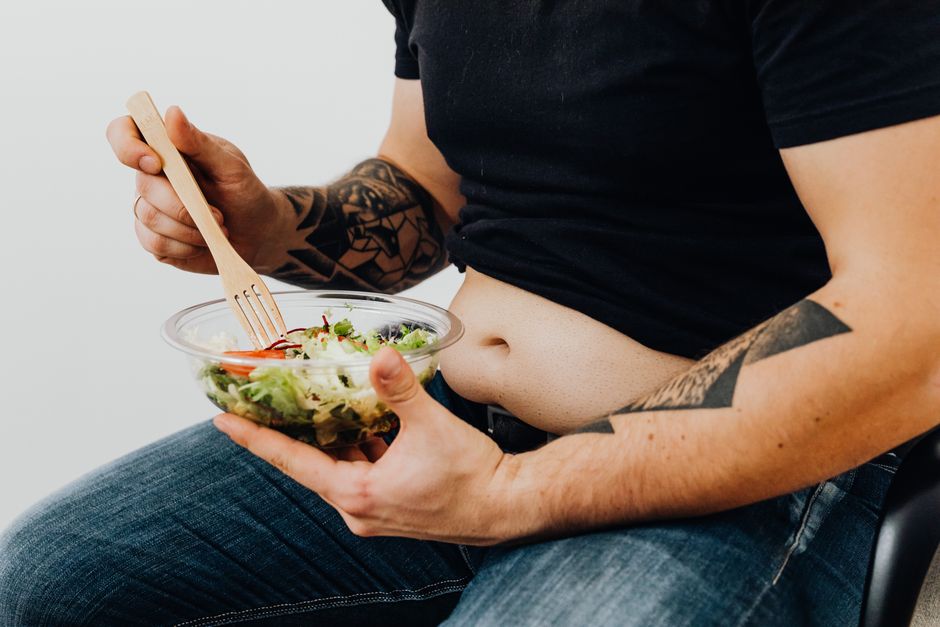
Belly fat responds to the same principles as fat anywhere else on your body. You lose it through a sustained calorie deficit combined with resistance training and consistent sleep. Spot reduction does not work. The belly is often the last place fat leaves because visceral fat storage is influenced by stress hormones and insulin resistance.
Most people who struggle with belly fat are not lacking effort. They are working against outdated advice or trying to outwork a diet that keeps insulin chronically elevated. The answer is not more crunches. It is fixing what happens when you are not exercising.
What Causes Belly Fat to Accumulate?
Belly fat accumulates when your body stores excess energy as fat in abdominal adipose tissue. This happens for two main reasons: you consume more calories than you burn, or your hormonal environment favors fat storage in that region.
Visceral fat wraps around your internal organs. It behaves differently than subcutaneous fat elsewhere. It is more metabolically active and responds strongly to cortisol and insulin. When these hormones stay elevated through chronic stress, poor sleep, or frequent blood sugar spikes, your body preferentially stores fat in the midsection.
Genetics play a role in where you store fat first and lose it last. Some people lose belly fat early in a diet. Others see it shrink only after losing fat everywhere else. This is not a sign you are doing something wrong. It is how your body is wired.
Age also matters. After 30, muscle mass declines if you do not actively maintain it. Less muscle means a lower metabolic rate and less capacity to handle carbohydrates without storing them as fat. Hormonal shifts during perimenopause and menopause make this more pronounced in women.
Does Spot Reduction Actually Work?
Spot reduction is the idea that you can burn fat from a specific area by exercising that body part. It does not work. Doing 500 crunches will not preferentially burn belly fat.
When your body breaks down fat for energy, it pulls from a general pool. You cannot tell it where to pull from. Fat loss happens systemically based on genetics and hormones, not based on which muscle you just worked.
A 2011 study published in the Journal of Strength and Conditioning Research had participants perform abdominal exercises for six weeks. They saw no significant reduction in abdominal fat compared to controls. Muscle tone improved but fat stayed put.
The persistent belief in spot reduction wastes time people could spend on strategies that actually work. If you want visible abs, you need to lower your overall body fat percentage. That requires a calorie deficit and muscle preservation, not targeted crunches.
What Diet Changes Actually Reduce Belly Fat?
A sustained calorie deficit is the only dietary requirement for fat loss. You must consume fewer calories than you burn over weeks and months. How you create that deficit matters for hunger, muscle retention, and hormonal health.
Prioritize protein at every meal. Research consistently shows that higher protein intake preserves muscle mass during weight loss and increases satiety. Aim for 0.7 to 1 gram per pound of body weight daily. Chicken, fish, eggs, Greek yogurt, and legumes are practical sources.
Minimize foods that spike blood sugar rapidly. Refined carbohydrates and added sugars cause insulin surges that promote fat storage, especially visceral fat. Swap white bread for whole grains. Replace sugary drinks with water or unsweetened tea. The goal is stable blood sugar, not zero carbs.
Fiber slows digestion and improves insulin sensitivity. Vegetables, berries, oats, and beans provide fiber without excessive calories. A 2012 study found that for every 10-gram increase in daily soluble fiber, visceral fat decreased by 3.7% over five years even without other intentional changes.
| Food Type | Effect on Belly Fat | Why |
|---|---|---|
| Lean Protein | Reduces | Preserves muscle, increases satiety, higher thermic effect |
| Refined Carbs | Increases | Spikes insulin, promotes fat storage, low satiety |
| Soluble Fiber | Reduces | Improves insulin sensitivity, slows digestion |
| Added Sugars | Increases | Elevates insulin, stored preferentially as visceral fat |
| Whole Grains | Neutral to Reduces | Stable blood sugar when portions controlled |





Which Exercises Burn Belly Fat Most Effectively?
Resistance training preserves muscle mass while you lose weight. Muscle is metabolically expensive tissue. The more you have, the more calories you burn at rest. Compound movements like squats, deadlifts, rows, and presses use multiple muscle groups and create the greatest stimulus.
Train each major muscle group twice per week. You do not need hours in the gym. Three to four sessions of 45 minutes with progressive overload will maintain muscle while you cut calories.
Cardio burns calories but does not build muscle. It is useful for creating a calorie deficit if you do not want to cut food intake further. Walking is underrated. A daily 30-minute walk burns 150-200 calories with minimal fatigue and no recovery cost.
High-intensity interval training can be time-efficient. Short bursts of maximum effort followed by rest burn calories and improve insulin sensitivity. As of 2026, evidence suggests HIIT is no more effective for belly fat loss than steady-state cardio when total calories burned are equal. Choose what you will actually do consistently.
How Does Sleep and Stress Impact Belly Fat?
Poor sleep increases belly fat storage through multiple pathways. Sleep deprivation raises cortisol and ghrelin, the hunger hormone, while lowering leptin, which signals fullness. This combination makes you hungrier and more likely to store fat abdominally.
A 2010 study found that people who slept fewer than six hours per night gained significantly more visceral fat over five years compared to those who slept seven to eight hours. The effect persisted even when controlling for diet and exercise.
Chronic stress keeps cortisol elevated. High cortisol promotes fat accumulation around the midsection and makes it harder to access stored fat for energy. This is why people under constant stress often struggle to lose belly fat even when their diet looks perfect on paper.
Practical steps include establishing a consistent sleep schedule, keeping your bedroom cool and dark, and limiting screen time an hour before bed. For stress, anything that lowers your baseline arousal helps. Walking, breathwork, and even five minutes of deliberate stillness can shift your nervous system.
What Should You Avoid When Trying to Lose Belly Fat?
Avoid extreme calorie restriction. Dropping intake too low triggers metabolic adaptation. Your body lowers energy expenditure and muscle loss accelerates. A deficit of 300-500 calories daily is sustainable. Larger deficits rarely are.
Do not rely on supplements marketed for belly fat. No pill, tea, or powder targets abdominal fat specifically. Most fat burners are caffeine with marketing. The few ingredients with modest evidence like green tea extract provide minimal benefit compared to fixing diet and sleep.
Stop doing endless low-intensity cardio as your primary strategy. Hours on the treadmill without resistance training burns muscle along with fat. You end up smaller but still soft in the midsection. Muscle preservation is not optional.
Do not expect linear progress. Weight fluctuates daily due to water retention, digestion, and hormones. Track the trend over weeks, not days. Take progress photos and waist measurements. The scale does not tell the full story.
- Skipping meals to create larger deficits usually backfires by increasing hunger later
- Drinking calories through juices or smoothies without accounting for them undermines your deficit
- Comparing your timeline to someone else’s ignores genetic and hormonal differences
- Neglecting strength training while cutting calories guarantees muscle loss
How Long Does It Take to See Results?
Most people notice changes in how clothing fits within three to four weeks. Visible reduction in belly fat typically takes eight to twelve weeks of consistent effort. This assumes a calorie deficit of 300-500 daily, resistance training, and adequate sleep.
The rate of fat loss slows as you get leaner. Losing the first ten pounds happens faster than the last five. Your body resists getting too lean by increasing hunger and decreasing energy expenditure. This is normal human physiology, not personal failure.
Visceral fat often decreases before subcutaneous belly fat. You may feel better and see health markers improve before you look dramatically different. Insulin sensitivity improves within weeks. Blood pressure and triglycerides respond quickly to visceral fat loss.
If you have been overweight for years, expect a minimum of six months to see substantial change. There is no shortcut. The people who keep belly fat off are the ones who accept that this is a permanent shift in how they eat, move, and sleep.
Frequently Asked Questions About How to Lose Belly Fat
Can you lose belly fat without exercise?
Yes, fat loss happens through a calorie deficit which can be achieved through diet alone. However, without resistance training you will lose muscle along with fat, resulting in a slower metabolism and less favorable body composition.
Why is belly fat the last to go?
Genetics determine fat storage and loss patterns. Visceral fat is also more resistant to mobilization when insulin and cortisol remain elevated, which is common in people under chronic stress or with poor sleep.
Do belly fat burning foods actually exist?
No food specifically burns belly fat. Some foods like protein and fiber improve satiety and metabolism slightly, but the effect comes from overall calorie balance, not the food itself targeting abdominal fat.
How much belly fat can you lose in a month?
A realistic rate is one to two pounds of total fat per week, some of which comes from the belly. Faster loss usually means muscle loss or unsustainable restriction that leads to regain.
