
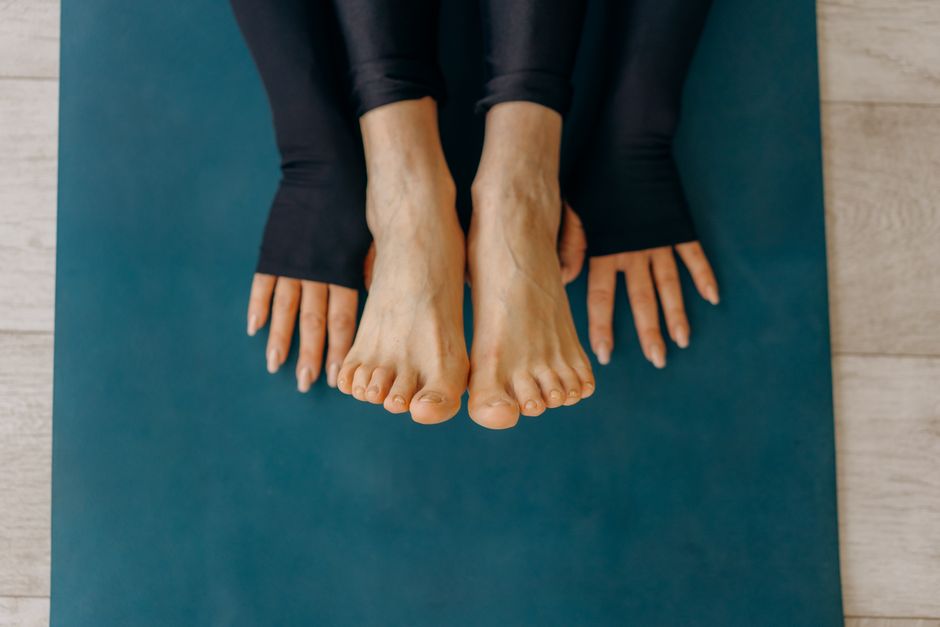
Swollen feet are a common problem, and the discomfort can be real. When fluid pools in your lower legs and feet, a condition called edema, it can make shoes feel tight and walking feel heavy. The fastest ways to reduce this swelling involve simple physics: getting the fluid moving back toward your heart. Methods like elevating your legs, moving your muscles, and using compression are proven to work quickly. Here are eight methods you can use right now to find relief.
Why Do Feet Swell in the First Place?
Gravity pulls blood down to your feet. Normally, your veins push that blood back up to your heart, and your lymphatic system drains excess fluid. When those systems slow down, fluid leaks into the tissue and stays there. That pooling is what you see and feel as swelling.
Sitting or standing for long hours is a common cause. Heat also makes blood vessels widen, which lets more fluid leak out. Hormonal changes, pregnancy, and eating a very salty meal can all trigger temporary swelling. If your feet swell only occasionally and go back to normal overnight, it is usually a nuisance rather than a medical problem.
How To Reduce Swollen Feet Fast 8 Proven Methods?
1. Elevate your legs above your heart. Lie down and prop your feet up on pillows or the arm of a sofa. Your feet need to be higher than your chest for gravity to help drain the fluid. Fifteen to thirty minutes can make a visible difference. This is one of the fastest and most effective methods.
2. Move your calf muscles. Your calf muscles act as a pump. When they contract, they squeeze veins and push blood upward. If you have been sitting, stand up and walk. If you cannot walk, flex and point your toes repeatedly. Ankle circles also work. This muscle pumping is essential for circulation.
3. Apply cold water or a cold compress. Cold narrows blood vessels, which reduces the amount of fluid leaking into tissue. A cold foot bath for 15 minutes can be very soothing. Do not use ice directly on the skin for more than 15 to 20 minutes at a time, as this can damage tissue.
4. Wear compression socks or stockings. These garments apply graduated pressure, meaning they are tightest at the ankle and looser higher up. This design helps push fluid upward and stops it from pooling. Put them on in the morning before swelling starts for the best effect. They are a standard tool for managing edema.
5. Reduce your salt intake for the day. Sodium makes your body hold onto water. If you have eaten salty food, drinking more water may seem counterintuitive, but it actually helps your kidneys flush out the excess sodium. Avoid adding salt to meals for the rest of the day.
6. Do gentle stretching. Stretching your calves and hamstrings improves blood flow. Try standing and pressing your heels into the floor one at a time. This can help restart sluggish circulation, especially if you have been inactive.
7. Massage the area gently. Stroke the skin firmly but gently, moving from your toes toward your knee. This direction follows the natural flow of your lymphatic system. The massage should not be painful. It helps move stagnant fluid out of the tissue.
8. Take frequent movement breaks. If you sit at a desk, set a timer to stand up every hour. If you stand all day, find a seat and elevate your feet for a few minutes. Regular movement prevents fluid from settling in the first place.
When Swelling Is a Sign of Something Serious
Most foot swelling is temporary and harmless. However, sometimes it signals a deeper problem. Sudden swelling in one leg only, especially when paired with pain or warmth, can be a blood clot. This is a medical emergency that requires immediate attention.
Swelling that comes with chest pain, trouble breathing, or shortness of breath can point to heart or lung problems. If your swelling does not improve with elevation and rest, or if it gets progressively worse, you should see a doctor. Swelling that leaves a dent when you press on it, called pitting edema, also warrants a medical check if it persists.
Certain medications can cause swelling as a side effect. These include blood pressure drugs, steroids, and some antidepressants. If your swelling started after a new prescription, talk to your doctor. Do not stop taking prescribed medication on your own.




How Long Does It Take for Swelling to Go Down?
With elevation and cold, you can often see improvement within 15 to 30 minutes. Full resolution of significant swelling usually takes a few hours to a couple of days. The timeline depends on the cause and how consistently you apply these methods.
Swelling from a long flight or a salty meal often improves quickly once you are active and hydrated. Swelling related to pregnancy or chronic venous insufficiency may take longer to manage. In those cases, daily prevention strategies matter more than a single quick fix.
Daily Habits That Prevent Swollen Feet
Prevention is easier than treatment. Staying hydrated keeps your blood volume stable and helps your kidneys regulate sodium. Regular exercise, especially walking or swimming, keeps your calf pump strong.
If you are prone to swelling, choose shoes that do not constrict your feet. Tight straps or narrow toe boxes can act like a tourniquet and worsen fluid buildup. Avoid sitting with your legs crossed, as this reduces blood flow. When traveling long distances, stand up and walk the aisle periodically if you can.
Maintaining a healthy weight reduces pressure on your veins. Excess abdominal weight increases pressure in the veins of your legs, making it harder for blood to return to the heart. Even modest weight loss can improve circulation in your lower extremities.
What Does Not Work for Swollen Feet
Some popular remedies have little evidence behind them. Wearing tight socks that are not designed as compression garments can restrict blood flow and make swelling worse. There is no evidence that special detox foot baths or ionic foot pads remove fluid or toxins from your body. These are marketing claims without clinical support.
Diuretic water pills are sometimes used for swelling, but taking them without a prescription is risky. They can deplete your body of potassium and other electrolytes. Over-the-counter diuretics are not approved for treating generalized foot swelling. If your swelling is persistent, a doctor needs to determine the underlying cause before any medication is appropriate.
When to See a Doctor for Swollen Feet
You should seek medical advice if you have swelling that lasts more than a few days despite home care. See a doctor promptly if the swelling is accompanied by redness, pain, or feels warm to the touch. These signs can indicate infection or a blood clot.
If you have a history of heart failure, kidney disease, or liver disease, new or worsening swelling should always be evaluated. Swelling that develops suddenly after surgery or during pregnancy needs professional assessment. Your doctor can run tests to identify the cause and recommend appropriate treatment.
Frequently Asked Questions
What is the fastest way to reduce swollen feet?
Elevating your legs above heart level for 15 to 30 minutes is the fastest proven method. Combining elevation with a cold compress can speed up the process even more.
Does drinking more water help swollen feet?
Yes, staying hydrated helps your kidneys flush out excess sodium, which reduces fluid retention. This works best as a daily habit rather than a quick fix.
Can compression socks make swelling worse?
Properly fitted graduated compression socks help reduce swelling, but overly tight or incorrectly sized ones can restrict blood flow. Get professionally measured if you plan to wear them regularly.
Is walking good for swollen feet?
Yes, walking activates your calf muscle pump, which pushes blood and fluid back toward your heart. Short walks are often recommended for circulation, but stop if walking increases your pain.
