
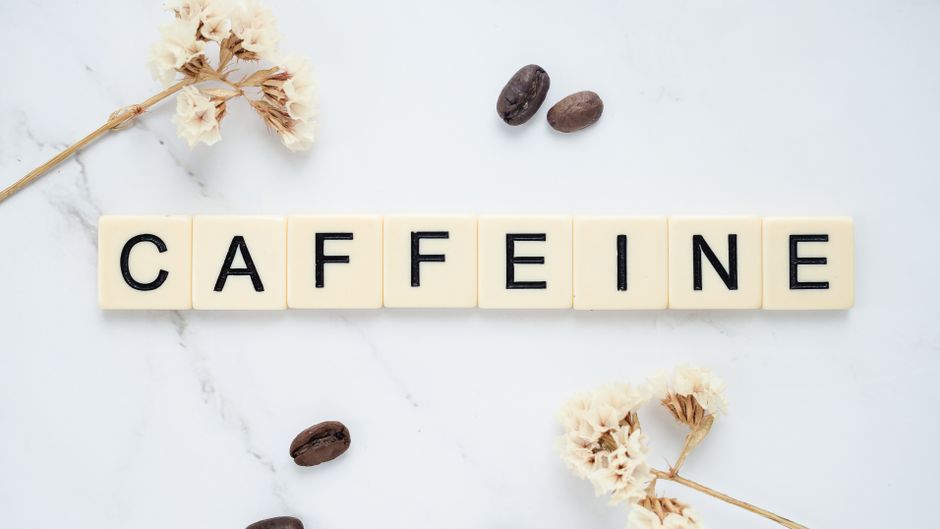
Coffee is the main source of caffeine for most adults, and not everyone wants the full jolt. You can lower the caffeine in your cup by changing the bean you buy, how you grind it, and how you brew it. The most effective single step is choosing a different coffee bean, but every stage of the process offers a real chance to cut back.
Does the Type of Coffee Bean Matter?
Yes, and this is where you get the biggest reduction for the least effort. The two main coffee species sold commercially are arabica and robusta. Robusta beans contain roughly twice as much caffeine as arabica beans.
If you want less caffeine, choose 100% arabica coffee. Most supermarket blends mix the two, so check the label. A bag that does not specify the species likely contains robusta.
Decaffeinated coffee is the obvious outlier. Decaf beans still contain some caffeine, but the amount drops by about 97%. A typical cup of decaf has around 2 to 5 milligrams of caffeine compared to 80 to 100 milligrams in a regular cup. If your goal is to nearly eliminate caffeine, decaf is the only reliable option.
How To Reduce Caffeine In Coffee From Beans To Brew: Roast Level
A common myth says dark roast has less caffeine. The truth is the opposite of what most people assume. Caffeine is stable at high temperatures. The roasting process does not destroy it in any meaningful way.
Dark roast beans actually weigh less than light roast beans because they lose more water during the longer roast. If you measure your coffee by weight, dark roast delivers slightly more caffeine per scoop because you need more beans to reach the same weight. The difference is small, but it is real.
If you measure by volume, the difference mostly disappears. Roast level is not a practical tool for cutting caffeine. Choose your roast based on flavor, not caffeine content.
Does the Grind Size Change Caffeine Extraction?
Grind size changes how much caffeine ends up in your cup, but it works differently than most people expect. Finer grounds expose more surface area to water. That means more caffeine is extracted during brewing.
A coarse grind extracts less caffeine because water passes through quickly and does not have time to pull as much out of the bean. A fine grind, like the one used for espresso, extracts more caffeine per gram of coffee.
This is a minor lever compared to bean choice. You will not halve your caffeine by changing your grind. But if you brew with a French press or pour-over, moving from a fine to a medium-coarse grind can shave a few milligrams off your cup.


Which Brewing Method Produces the Lowest Caffeine?
Brewing method matters because it controls two things: how long water touches the coffee and how much coffee you use per cup.
Espresso has the highest concentration of caffeine per ounce, but the serving size is tiny. A single shot contains about 63 milligrams of caffeine. A standard 8-ounce cup of drip coffee contains roughly 80 to 100 milligrams. Despite the reputation, espresso is not the caffeine monster people think it is.
Cold brew is the opposite problem. Cold brew uses a high ratio of coffee to water and steeps for 12 to 24 hours. That long steep time extracts a large amount of caffeine. A typical 8-ounce serving of cold brew concentrate can contain 150 to 200 milligrams. If you are trying to cut caffeine, cold brew is the worst choice.
The lowest caffeine options among regular brewing methods are:
- Instant coffee — about 30 to 90 milligrams per cup, depending on the brand and how much you use
- French press with a coarse grind — slightly less than drip because of shorter steep time
- Drip coffee — the standard reference point at 80 to 100 milligrams per 8-ounce cup
Instant coffee is a genuinely underrated choice for cutting back. It is made from brewed coffee that has been dehydrated, and the process removes some caffeine. You also control the strength by using less powder.
Can You Decaffeinate Coffee at Home?
Home decaffeination is not practical or effective. Commercial decaffeination uses either water, organic solvents, or carbon dioxide under high pressure to remove caffeine from green, unroasted beans. The process takes hours and requires specialized equipment.
Some people try the “Swiss Water method” at home by soaking beans in water. This does not work. The caffeine moves out of the bean and into the water, but without the controlled filtration system used commercially, the caffeine redistributes back into the bean as the water saturates. You end up with weaker-tasting coffee that still contains most of its caffeine.
Do not attempt this. Buy decaf from a reputable roaster instead. Modern decaf from a good roaster tastes close to regular coffee, and the quality gap has narrowed significantly in recent years.
Does Blending Decaf With Regular Coffee Work?
Yes, this is a practical and effective strategy. Mixing half decaf and half regular coffee cuts your caffeine roughly in half. You can adjust the ratio to find your sweet spot.
This approach preserves more of the flavor profile than going full decaf. Many specialty roasters sell “half-caf” blends for exactly this reason. If your local roaster does not offer one, buy a bag of each and mix them yourself before grinding.
One caution: if you buy whole beans, mix them before grinding, not after. Grinding decaf and regular beans separately and then mixing the grounds can lead to uneven extraction because the two batches may have different particle sizes.
Does Brewing Time Affect Caffeine Levels?
Shorter brewing time means less caffeine. This is straightforward chemistry. Caffeine dissolves into water quickly, but it does not dissolve instantly. The longer the water stays in contact with the grounds, the more caffeine it pulls out.
Most of the caffeine extracts in the first few minutes of brewing. A French press steeped for 2 minutes will have less caffeine than one steeped for 5 minutes. A pour-over that finishes in 3 minutes will have less than one that takes 5 minutes.
The trade-off is flavor. Under-extracted coffee tastes sour and weak. You cannot shorten the brew time dramatically without ruining the taste. But if you are currently using a long steep time, reducing it by a minute or two can lower caffeine without a major flavor penalty.
Does Water Temperature Change Caffeine Extraction?
Hotter water extracts more caffeine. The standard brewing temperature is between 195 and 205 degrees Fahrenheit. Water at the boiling point of 212 degrees will pull out more caffeine than water at 195 degrees.
Lowering your water temperature by 10 to 15 degrees will reduce caffeine extraction slightly. The effect is modest, and it changes the flavor profile. Coffee brewed with cooler water tastes less bitter and more acidic. Some people prefer this taste, so it can be worth experimenting with.
Do not brew with water below 190 degrees. The coffee will be under-extracted and taste flat. This is a minor adjustment, not a primary strategy.
How Much Caffeine Is Too Much?
The FDA has cited 400 milligrams of caffeine per day as a level not associated with dangerous effects for most healthy adults. That is roughly four 8-ounce cups of drip coffee. Pregnant women are advised to stay under 200 milligrams per day.
Sensitivity varies widely. Some people feel jittery after one cup. Others can drink coffee all day and sleep fine. Your personal tolerance is the real limit. If you experience insomnia, rapid heartbeat, or anxiety after coffee, you are consuming too much for your body regardless of the number on a chart.
Cutting caffeine gradually is easier than quitting cold turkey. Reducing your intake by half a cup every few days minimizes withdrawal headaches, which are a real and well-documented effect of reducing caffeine intake.
Frequently Asked Questions
Does dark roast coffee have less caffeine than light roast?
No. Roasting does not destroy caffeine, and dark roast beans weigh less, so you may actually get slightly more caffeine per scoop. Roast level is a flavor choice, not a caffeine strategy.
Is espresso higher in caffeine than drip coffee?
Espresso has more caffeine per ounce, but a single shot contains about 63 milligrams while an 8-ounce drip coffee contains 80 to 100 milligrams. A standard serving of drip coffee delivers more total caffeine.
Does cold brew have more caffeine than hot coffee?
Yes, usually. Cold brew uses a high coffee-to-water ratio and steeps for 12 to 24 hours, which extracts a large amount of caffeine. An 8-ounce serving of cold brew concentrate can contain 150 to 200 milligrams.
Can I make my own decaf coffee at home?
No. Commercial decaffeination requires specialized equipment and processes that cannot be replicated in a home kitchen. Soaking beans in water does not remove caffeine effectively. Buy decaf from a reputable roaster instead.
