
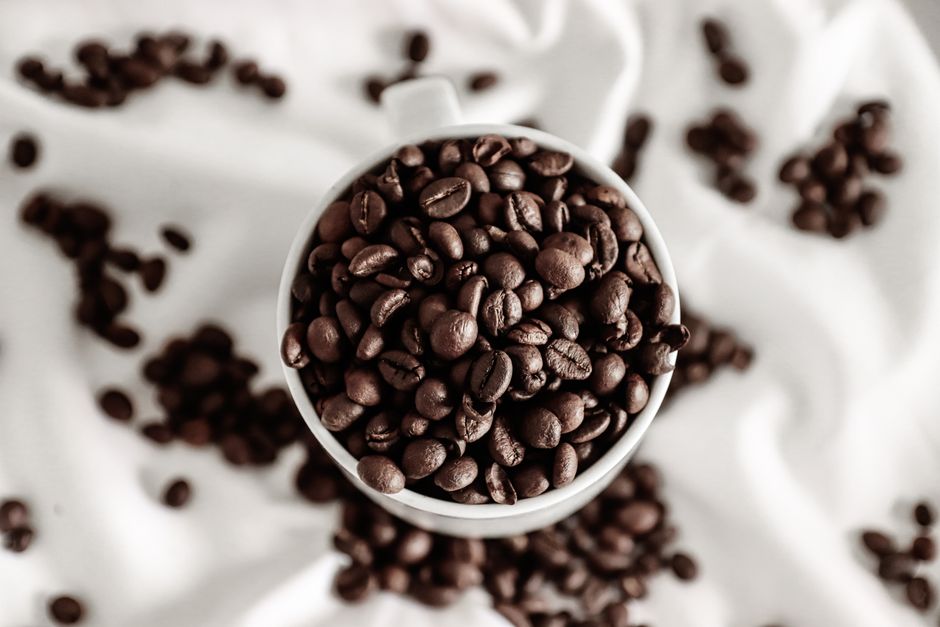
A standard cup of brewed coffee contains between 80 and 100 milligrams of caffeine per 8-ounce serving. That number is your baseline, though it varies depending on the bean, the roast, and how you brew it. If you drink a 12-ounce mug from a coffee shop, you are getting closer to 150 to 200 milligrams. This is the real range, not the exaggerated numbers you see in viral articles.
How Many Mgs Of Caffeine In A Cup Of Coffee By Brew Method?
The brewing method changes caffeine content more than most people realize. Drip coffee makers extract caffeine efficiently, so an 8-ounce cup lands around 95 milligrams on average. Espresso is much more concentrated — a single 1-ounce shot has about 63 milligrams. But because serving sizes are small, you get less total caffeine per drink than a full mug of drip coffee.
French press and pour-over methods produce similar caffeine levels to drip coffee, roughly 80 to 100 milligrams per 8 ounces. Cold brew is a different story. Because it uses a higher coffee-to-water ratio and steeps for 12 to 24 hours, cold brew concentrate can have 150 to 200 milligrams per 8-ounce serving. That is almost double standard brewed coffee.
Instant coffee has less caffeine, around 60 to 80 milligrams per 8-ounce cup. Decaf is not caffeine-free. An 8-ounce cup of decaf still contains 2 to 5 milligrams, which adds up if you drink several cups throughout the day.
Does Roast Level Change Caffeine Content?
Many people believe light roast has more caffeine than dark roast. That is not quite true by weight. A scoop of light roast beans is denser than dark roast, so you get slightly more caffeine per scoop. But if you measure by weight — which is more accurate — the difference is minimal.
Research shows that roasting does not destroy caffeine. Caffeine is heat-stable up to 460 degrees Fahrenheit, well above typical roasting temperatures. A light roast and a dark roast from the same bean source have nearly identical caffeine content when measured gram for gram. The perception that dark roast is weaker comes from its bolder flavor, not its actual caffeine level.
Current research suggests that the bean variety matters far more than the roast. Robusta beans contain roughly twice the caffeine of Arabica beans. If your coffee blend includes Robusta, which many espresso blends do, the caffeine content jumps significantly regardless of roast level.
What About Coffee Shop Sizes?
Coffee shop servings are rarely the standard 8 ounces. A “small” at most chains is 12 ounces, a “medium” is 16, and a “large” is 20. That changes the caffeine math considerably. A 16-ounce drip coffee from a popular chain contains around 200 to 250 milligrams of caffeine, depending on the brew strength.
| Serving Size | Typical Caffeine Range |
|---|---|
| 8 oz brewed coffee | 80–100 mg |
| 12 oz brewed coffee | 120–150 mg |
| 16 oz brewed coffee | 160–200 mg |
| 20 oz brewed coffee | 200–250 mg |
| 1 oz espresso shot | 63 mg |
| 8 oz cold brew concentrate | 150–200 mg |
| 8 oz instant coffee | 60–80 mg |
| 8 oz decaf coffee | 2–5 mg |
Espresso-based drinks like lattes and cappuccinos typically contain one or two shots of espresso. A 12-ounce latte with two shots has roughly 126 milligrams of caffeine. That is less than a 12-ounce drip coffee, despite the perception that espresso is stronger. The difference is concentration, not total amount.

How Much Caffeine Is Too Much?
The FDA states that 400 milligrams per day is generally safe for healthy adults. That equals about four 8-ounce cups of brewed coffee. Going above that regularly can cause insomnia, jitteriness, increased heart rate, and digestive issues. Some people are more sensitive due to genetics or medications.
Pregnant women are advised to keep caffeine under 200 milligrams per day. People with anxiety disorders or heart conditions should also be more cautious. Caffeine affects everyone differently, and tolerance builds with regular use. A person who drinks coffee daily can handle more without side effects than someone who rarely drinks it.
One non-obvious point: caffeine stays in your system for hours. Its half-life is about 5 hours, meaning half of what you drink is still in your blood half a day later. Drinking a large coffee at 4 PM can still affect your sleep at 10 PM. This is why many sleep experts recommend no caffeine after 2 PM.
What Affects Caffeine Content Beyond Brewing?
The type of coffee bean is the biggest factor. Arabica beans, which make up most specialty coffee, naturally contain less caffeine than Robusta beans. Robusta is cheaper and used in many commercial blends and instant coffees. If you buy a bag labeled “espresso blend,” it likely contains some Robusta, pushing caffeine higher.
- Bean variety: Robusta has about 2.2% caffeine by weight, Arabica about 1.2%
- Grind size: Finer grinds extract more caffeine, which is why espresso is concentrated
- Water temperature: Hotter water extracts more caffeine, up to about 205°F
- Brew time: Longer contact means more caffeine, as seen with cold brew
- Coffee-to-water ratio: More grounds per cup equals more caffeine
Some people report that adding milk or cream reduces caffeine content. That is not true. Milk does not remove caffeine. It only dilutes the concentration. A latte with two espresso shots has the same caffeine as two straight shots, just in a larger volume of liquid.
There is no clinical evidence that any specific brewing method destroys caffeine. All methods that use hot water extract caffeine efficiently. The only way to significantly reduce caffeine is to use decaf beans or brew for a very short time, which also reduces flavor extraction.
Common Misconceptions About Coffee Caffeine
A widespread myth is that darker roasts have less caffeine because the beans look darker and taste stronger. As mentioned, the actual caffeine difference by weight is negligible. The stronger taste of dark roast comes from the roasting process breaking down acids and creating bitter compounds, not from more caffeine.
Another myth is that espresso has more caffeine than drip coffee. A single shot has less total caffeine than an 8-ounce cup of drip coffee. People confuse concentration with total amount. Espresso is more concentrated per ounce, but serving sizes are much smaller. A 12-ounce drip coffee has more total caffeine than a double-shot latte.
Some people believe that caffeine content is consistent across all cups of the same coffee. It is not. Even from the same bag, different brews can vary by 20 to 30 milligrams depending on how long the coffee sits, water temperature, and extraction time. The numbers in this article are averages, not guarantees.
Frequently Asked Questions
How many mgs of caffeine in a cup of coffee from Starbucks?
A 12-ounce “tall” brewed coffee from Starbucks contains about 235 milligrams of caffeine. Their standard brew is stronger than average, so expect higher numbers than home-brewed coffee.
Does adding milk reduce caffeine content?
No, adding milk only dilutes the concentration. The total caffeine in your cup stays the same regardless of how much milk you add.
Is there a difference in caffeine between iced and hot coffee?
No, iced coffee and hot coffee made from the same grounds have nearly identical caffeine content. The ice only dilutes the drink as it melts, but the brewed coffee itself contains the same amount.
How much caffeine is in a single espresso shot?
A single 1-ounce espresso shot contains about 63 milligrams of caffeine. A double shot has about 126 milligrams.
