
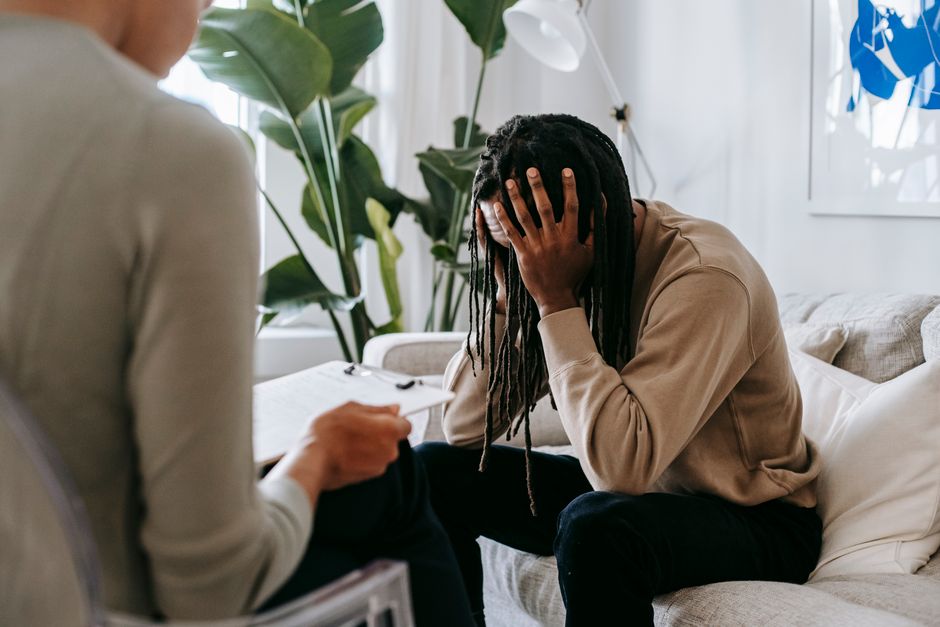
When anxiety hits hard, the most effective immediate techniques are controlled breathing, cold water exposure, and progressive muscle relaxation. Research shows these methods activate your parasympathetic nervous system within minutes, which directly counters the fight-or-flight response. Physiological interventions work faster than mental techniques alone because they interrupt the physical cascade of anxiety at the source.
What Happens in Your Body During an Anxiety Attack?
Your body responds to perceived threat by releasing cortisol and adrenaline. Your heart rate increases, breathing becomes shallow, and blood flow redirects to your muscles. This is not imagination or weakness. This is your sympathetic nervous system doing exactly what it evolved to do.
The problem is your body cannot distinguish between a real threat and a perceived one. A work presentation triggers the same cascade as a physical danger. Understanding this helps because it means the solution is not to think your way out, but to signal safety through your body.
The physical symptoms often intensify the mental ones. Rapid heartbeat makes you worry something is medically wrong, which increases anxiety, which increases heart rate. Breaking this cycle requires a physiological intervention, not just a mental one.
Does Controlled Breathing Actually Work for Immediate Anxiety Relief?
Controlled breathing is one of the most studied non-pharmaceutical interventions for anxiety. The specific technique that matters is extending your exhale longer than your inhale. This activates your vagus nerve, which signals your brain to reduce the stress response.
The 4-7-8 method works like this: breathe in for 4 counts, hold for 7, exhale for 8. The extended hold and exhale are what shift your nervous system. Some people feel calmer within two cycles. Most need three to five minutes of consistent practice.
Box breathing is another evidence-backed method. Inhale for 4, hold for 4, exhale for 4, hold for 4. Navy SEALs use this technique before high-stress situations. Research from 2019 found that participants who practiced box breathing showed measurable decreases in cortisol within six minutes.
The mistake people make is shallow breathing while trying these techniques. Your exhale needs to be complete. Push the air out. If you are not feeling slightly lightheaded after the first few rounds, you are not exhaling fully enough.
How Does Cold Water Reduce Anxiety Immediately?
Cold water on your face triggers the mammalian dive reflex. This is a hardwired response that slows your heart rate and redirects blood flow. It is not subtle. It is immediate and measurable.
The simplest version is to fill a bowl with ice water and submerge your face for 15 to 30 seconds. If that feels too intense, hold an ice pack against your forehead and cheekbones. Studies show temperature below 50 degrees Fahrenheit is needed to activate the reflex reliably.
Some people prefer a cold shower. The shock of cold water forces your breathing to regulate and interrupts rumination. A 2020 study found that participants who took cold showers reported reduced anxiety symptoms, though the mechanism involves both the dive reflex and endorphin release from the cold exposure itself.
This is not comfortable. That is part of why it works. The physical intensity demands your attention, which breaks the mental spiral. You cannot worry about tomorrow’s meeting while gasping from cold water.




What Is Progressive Muscle Relaxation and How Fast Does It Work?
Progressive muscle relaxation involves tensing and releasing muscle groups in sequence. The technique was developed in the 1920s and remains widely used because it works on a simple principle: you cannot be physically tense and mentally calm at the same time. Reversing the physical tension begins to reverse the mental state.
Start with your feet. Curl your toes and tense your feet as hard as you can for 5 seconds, then release completely. Move to your calves, thighs, abdomen, chest, hands, arms, shoulders, neck, and face. The entire sequence takes about 8 minutes. Most people notice a shift in anxiety by the time they reach their upper body.
The key is the contrast. Tensing first makes the release more noticeable. Your nervous system interprets the sudden relaxation as a safety signal. Research indicates this method is particularly effective for anxiety that manifests as physical tension, jaw clenching, or shoulder tightness.
This technique requires no equipment and works in almost any setting. You can do a shortened version at a desk by tensing just your hands, shoulders, and face if a full sequence is not practical.
Which Immediate Techniques Work Best for Different Anxiety Triggers?
Not all anxiety feels the same, and the most effective immediate technique depends partly on how your anxiety manifests. Matching method to symptom improves speed of relief.
| Primary Symptom | Most Effective Technique | Why It Works |
|---|---|---|
| Racing heart | Cold water exposure | Directly slows heart rate via dive reflex |
| Shallow breathing | 4-7-8 breathing | Forces complete exhale and vagus nerve activation |
| Physical tension | Progressive muscle relaxation | Releases held muscle tension and interrupts feedback loop |
| Racing thoughts | Box breathing plus counting | Gives mind a specific task while regulating physiology |
| Panic sensation | Cold water plus breathing | Combination interrupts panic cascade at multiple points |
Some people respond better to physical interventions. Others find breathing techniques more accessible. There is no universal ranking. The technique that works immediately for you is the one you will actually use when anxiety hits, so experiment during calm moments to find what feels most effective.
What Are Common Mistakes That Make These Techniques Less Effective?
The biggest mistake is waiting until anxiety is at peak intensity. These techniques work best when applied early. If you wait until you are in a full panic attack, they still help, but they take longer and require more repetition.
Another common error is inconsistent practice. Doing 4-7-8 breathing twice and then switching to progressive muscle relaxation and then trying cold water in rapid succession prevents any single method from taking effect. Pick one technique and commit to it for at least 5 minutes before switching.
Breathing techniques fail when people breathe from their chest instead of their diaphragm. Your belly should expand on the inhale, not your shoulders. Chest breathing is shallow breathing, which can actually increase anxiety rather than reduce it.
Some people tense their muscles too lightly during progressive muscle relaxation. You need to tense hard enough that it borders on uncomfortable. A gentle squeeze does not create enough contrast for your nervous system to register the release.
When Should You Seek Professional Help Beyond Immediate Techniques?
Immediate techniques manage symptoms. They do not address underlying anxiety disorders. If you are using these methods multiple times per day for more than two weeks, that pattern suggests anxiety that needs professional evaluation.
Certain symptoms require medical attention regardless of whether immediate techniques provide temporary relief. If anxiety comes with chest pain that does not resolve, difficulty breathing that worsens, or thoughts of self-harm, contact a healthcare provider or crisis line immediately. As of 2026, emergency departments are better equipped to differentiate anxiety attacks from cardiac events, but ruling out medical causes matters.
Therapy, particularly cognitive behavioral therapy, addresses the thought patterns and behaviors that trigger anxiety in the first place. Immediate techniques are tools, not treatment. They help you function in the moment, which is valuable, but chronic anxiety typically needs more comprehensive intervention.
Medication is another option for persistent anxiety. SSRIs and benzodiazepines work through different mechanisms and timelines. This is a conversation for a psychiatrist or primary care physician who can evaluate your specific situation. Self-management techniques and professional treatment are not mutually exclusive. Most people benefit from both.
How Can You Build a Personal Anxiety Response Plan?
Having a written plan reduces decision-making during high anxiety, when executive function is compromised. Your plan should list your most effective techniques in order and include environmental modifications that help.
Start by identifying your early warning signs. For some people it is tightness in the chest. For others it is intrusive thoughts or difficulty concentrating. Catching anxiety early makes immediate techniques more effective.
Your response plan might look like this:
- Notice first sign of anxiety (for me: stomach tightness)
- Immediately begin 4-7-8 breathing, continue for 3 minutes
- If anxiety persists, splash cold water on face or hold ice pack
- If still elevated after 10 minutes, do full progressive muscle relaxation sequence
- Once calmer, assess whether trigger requires problem-solving or acceptance
Environmental factors matter too. Some people find that stepping outside helps. Others need a quiet dark room. Fluorescent lighting and crowded spaces increase anxiety for many people. Your response plan can include moving to a bathroom, stepping outside, or putting on headphones.
Test your plan during low-anxiety moments. Practice the breathing pattern when calm so the rhythm is familiar when you need it. Identify where you can access cold water quickly at work, home, and other frequent locations. The goal is to reduce friction between feeling anxiety and implementing your response.
Frequently Asked Questions About How to Reduce Anxiety Immediately
Can anxiety be stopped in under 5 minutes?
Yes, for many people. Techniques like cold water exposure and controlled breathing can measurably reduce anxiety symptoms within 3 to 5 minutes by directly affecting your nervous system. The speed depends on catching anxiety early and applying the technique correctly.
Why does cold water calm anxiety so quickly?
Cold water triggers the mammalian dive reflex, which automatically slows your heart rate and shifts your body out of fight-or-flight mode. This is a hardwired physiological response that works independently of your thoughts or emotions.
Is it normal to need these techniques multiple times per day?
Using immediate techniques occasionally during stressful periods is normal. Needing them multiple times daily for weeks suggests underlying anxiety that would benefit from professional evaluation and potentially therapy or medication.
Do breathing exercises work if you are already hyperventilating?
Yes, but they require conscious effort to override the hyperventilation pattern. Focus on extending your exhale and breathing through your nose. It may take several minutes of deliberate practice to break the cycle, but the physiology will respond once you establish a slower rhythm.
