
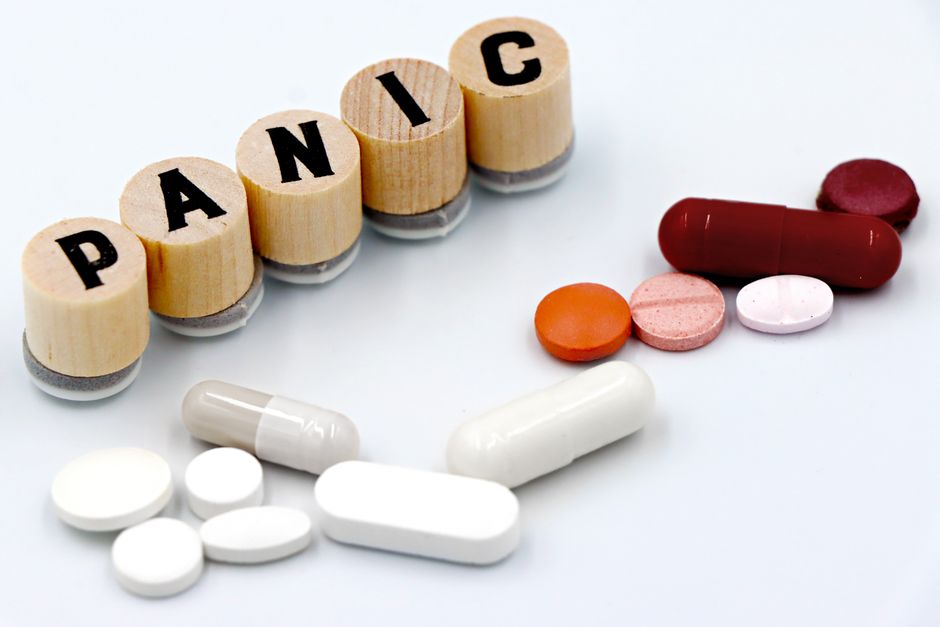
Anxiety is a mental illness when it becomes chronic, overwhelming, and starts interfering with your daily life. The short answer is yes—conditions like generalized anxiety disorder, panic disorder, and social anxiety disorder are classified as mental illnesses in the DSM-5, the standard diagnostic manual used by mental health professionals. But here is the nuance that most articles skip: feeling anxious is not the same as having an anxiety disorder. Everyone feels nervous before a big presentation or worried about a health scare. That is normal human emotion. It becomes a mental illness when your brain gets stuck in that state, unable to turn off the alarm system even when there is no real threat.
What Exactly Is an Anxiety Disorder?
An anxiety disorder is not just being a worrier. It is a medical condition that changes how your brain processes fear and threat. Research shows that people with anxiety disorders have overactive amygdala responses—the part of your brain that detects danger. Their prefrontal cortex, which normally calms down the amygdala, does not do its job as well.
Think of it like a smoke alarm that goes off when you burn toast. In a normal brain, the alarm sounds, you open a window, and it stops. In an anxious brain, the alarm keeps blaring even after the toast is fine. Sometimes it goes off with no smoke at all.
The key difference between normal anxiety and a disorder is three things: intensity, duration, and impairment. If your anxiety is intense enough to cause physical symptoms like rapid heartbeat or nausea, lasts for months rather than days, and stops you from doing things you want to do—like going to work or seeing friends—then it meets the clinical definition of a mental illness.
Is Anxiety a Mental Illness or Just a Normal Emotion?
This is the most common question people ask, and the confusion is understandable. The word “anxiety” refers to both a normal emotion and a set of diagnosable disorders. That dual meaning causes a lot of unnecessary guilt and confusion.
Normal anxiety is a survival mechanism. It evolved to keep us alert to real dangers. When you cross a busy street, a little anxiety makes you look both ways. That is healthy. It protects you.
An anxiety disorder is when that same system goes into overdrive for no good reason. Your body floods with cortisol and adrenaline even when you are sitting safely on your couch. You might know logically that nothing is wrong, but your body does not get the message. As of 2026, current research suggests that about 31% of US adults will experience an anxiety disorder at some point in their lives. That makes it the most common mental illness in the country.
Calling it a mental illness does not mean you are broken or defective. It means you have a treatable medical condition, just like diabetes or high blood pressure. The brain is an organ, and sometimes it does not work the way it should.
What Are the Different Types of Anxiety Disorders?
Anxiety is not one single condition. It is a category that includes several distinct disorders, each with its own pattern of symptoms. Knowing which one you are dealing with matters because treatment approaches can differ.
| Disorder | Key Feature | Common Age of Onset |
|---|---|---|
| Generalized Anxiety Disorder | Constant worry about many things, even small ones | Childhood to mid-life |
| Panic Disorder | Sudden intense fear attacks with physical symptoms | Late teens to early 30s |
| Social Anxiety Disorder | Intense fear of being judged or embarrassed around others | Early to mid-teens |
| Specific Phobias | Extreme fear of a specific thing like heights or spiders | Childhood |
| Agoraphobia | Fear of being in situations where escape might be hard | Late teens to early 20s |
Generalized anxiety disorder is the most common type people think of when they ask “is anxiety a mental illness.” But panic disorder often gets mistaken for a heart attack, which leads people to the emergency room instead of a mental health professional. Social anxiety is frequently dismissed as shyness, but it is far more disabling than that label suggests.
Many people have more than one anxiety disorder at the same time. It is also very common for anxiety to occur alongside depression. Current research suggests that about 60% of people with anxiety also have symptoms of depression.




What Causes Anxiety Disorders?
There is no single cause. Anxiety disorders come from a mix of genetics, brain chemistry, life experiences, and personality traits. If a close family member has anxiety, your risk is higher. But genes are not destiny.
Brain chemistry plays a big role. Serotonin and GABA are two neurotransmitters that help regulate mood and calm the nervous system. When these systems are out of balance, anxiety can take hold. This is why medications like SSRIs work—they help restore that balance.
Life experiences matter a lot. Childhood trauma, chronic stress, and major life changes can all trigger an anxiety disorder. Even positive events like getting married or starting a new job can be enough to push someone over the edge if they are already vulnerable.
One thing that surprises many people: avoidance actually makes anxiety worse. When you avoid something that scares you, your brain learns that the thing is dangerous. Next time, the fear is even stronger. This is the core mechanism that keeps anxiety disorders going.
What Treatments Actually Work for Anxiety Disorders?
The good news is that anxiety disorders are highly treatable. Two approaches have the strongest research support: therapy and medication. Combining both often works best.
Cognitive behavioral therapy, or CBT, is the gold standard for anxiety treatment. It teaches you to recognize the thought patterns that fuel anxiety and to change your behaviors. Exposure therapy, which is a type of CBT, involves gradually facing the things you fear in a controlled way. Studies have found that CBT is as effective as medication for many people, and the benefits last longer after treatment ends.
Medication options include SSRIs like sertraline and escitalopram, which are antidepressants that also work for anxiety. Benzodiazepines like Xanax work quickly but are only meant for short-term use because they can be addictive. Beta-blockers are sometimes used for performance anxiety, though they do not treat the underlying disorder.
There are also lifestyle changes that help, though they are not replacements for professional treatment:
- Regular aerobic exercise lowers baseline anxiety levels over time
- Limiting caffeine and alcohol can reduce physical symptoms
- Getting enough sleep is critical because sleep deprivation worsens anxiety
- Mindfulness meditation has moderate evidence for reducing anxiety symptoms
Some people report that supplements like magnesium or ashwagandha help them, but strong evidence is limited. Always talk to your doctor before adding any supplement, especially if you take medication.
What Should You Avoid When Dealing With Anxiety?
Several popular approaches have little to no evidence behind them. Knowing what does not work can save you time, money, and frustration.
Avoidance is the biggest trap. When you skip social events, avoid driving on highways, or stay home because of fear, you feel relief in the moment. But that relief teaches your brain that avoidance is the only way to feel safe. Over time, your world gets smaller and smaller.
Alcohol is another common but harmful coping strategy. It provides temporary relief because it depresses the nervous system. But when it wears off, anxiety often comes back stronger. This is called rebound anxiety, and it can lead to a dangerous cycle of drinking more to feel better.
Deep breathing alone is not enough. It can help calm a panic attack in the moment, but it does not treat the underlying disorder. Some people use breathing exercises as a way to avoid facing their fears, which actually keeps the anxiety going.
There is no clinical evidence that essential oils, crystals, or most supplements can treat an anxiety disorder. Some people find them comforting, which is fine, but do not mistake comfort for treatment.
Frequently Asked Questions About Anxiety a Mental Illness
Frequently Asked Questions About anxiety a mental illness
Can anxiety go away on its own without treatment?
Mild anxiety can sometimes improve without treatment, but full anxiety disorders usually do not go away on their own and often get worse over time without professional help.
Is it possible to have anxiety without feeling worried?
Yes, some people experience physical symptoms like racing heart or stomach issues without feeling mentally anxious, which is sometimes called somatic anxiety.
How long does it take for anxiety treatment to work?
CBT often shows improvement within 8 to 12 sessions, while SSRIs typically take 4 to 6 weeks to start working and up to 12 weeks for full effect.
Can children have anxiety disorders or is that just normal development?
Children can definitely have anxiety disorders, and separation anxiety, social anxiety, and generalized anxiety are all common in kids and teens.
