
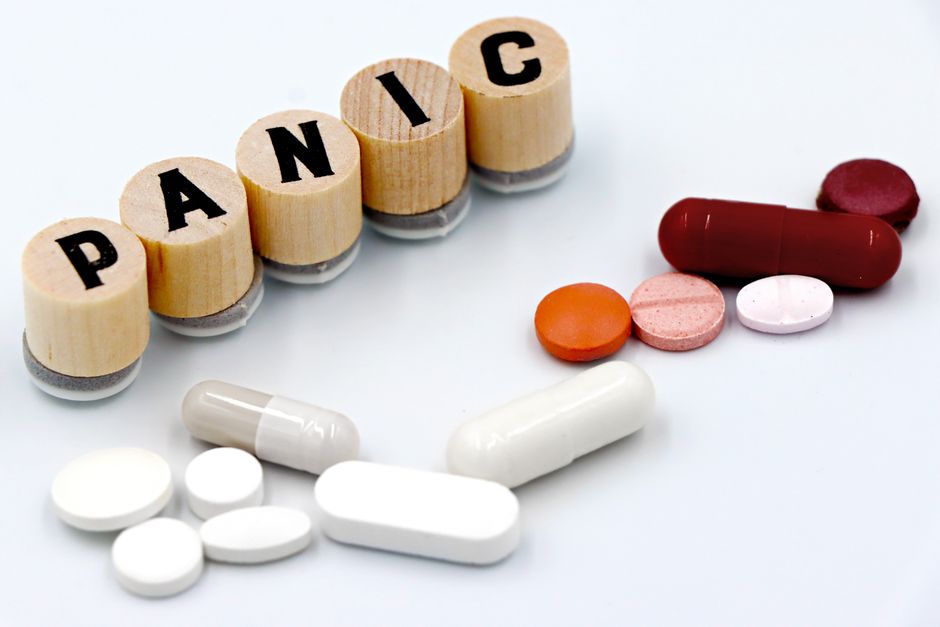
Yes, anxiety can temporarily raise blood pressure, but the relationship is more complex than most people assume. During an anxiety attack or moment of intense stress, your blood pressure spikes as your body floods with adrenaline. This is a normal physiological response that usually resolves once you calm down. The real question isn’t whether anxiety affects blood pressure in the moment—it does—but whether chronic anxiety leads to sustained high blood pressure over time.
How Does Anxiety Affect Blood Pressure in the Moment?
When you feel anxious, your body activates the fight-or-flight response. Your adrenal glands release stress hormones like adrenaline and cortisol. These hormones make your heart beat faster and your blood vessels constrict. Both actions push your blood pressure up quickly.
These spikes are usually short-lived. Once the anxiety passes, your blood pressure typically returns to its baseline within minutes to a few hours. This temporary elevation is why doctors often see elevated readings in their office—a phenomenon called white coat hypertension. Patients feel nervous during the appointment and their blood pressure reflects that momentary stress.
The magnitude of these spikes varies. Some people see increases of 10-15 points in systolic pressure during moderate anxiety. During a full panic attack, increases of 20-30 points or more can occur. These numbers sound dramatic, but they don’t necessarily indicate long-term damage if they’re truly temporary.
Can Chronic Anxiety Lead to Sustained High Blood Pressure?
The evidence here is less clear than many health articles suggest. Large studies have found associations between anxiety disorders and hypertension, but association doesn’t prove causation. People with chronic anxiety often have other risk factors for high blood pressure including poor sleep, physical inactivity, and unhealthy coping behaviors like excessive alcohol use or smoking.
As of 2026, most cardiologists view anxiety as a potential contributing factor rather than a direct cause of sustained hypertension. The thinking is that if you experience frequent anxiety episodes throughout the day, your blood pressure never fully settles. Over months or years, this pattern might contribute to vascular changes that make sustained high blood pressure more likely.
A 2021 study in the Journal of the American Heart Association followed over 1,500 adults for a decade. Researchers found that people with generalized anxiety disorder had a slightly higher risk of developing hypertension compared to those without anxiety. The difference was modest and couldn’t be separated from lifestyle factors. The takeaway is that anxiety might be part of the puzzle, but it’s rarely the whole picture.
| Type of Anxiety | Blood Pressure Effect | Duration |
|---|---|---|
| Acute anxiety episode | Spike of 10-30 mmHg systolic | Minutes to hours |
| Panic attack | Spike of 20-40 mmHg systolic | Minutes to hours |
| Chronic daily anxiety | Possible modest elevation of baseline | Persistent but variable |
| White coat syndrome | Spike only during medical visits | During appointment only |
What Physical Mechanisms Link Anxiety and Blood Pressure?
The sympathetic nervous system is the primary bridge between anxiety and blood pressure. This part of your nervous system controls automatic responses like heart rate and blood vessel tone. When anxiety activates it, several things happen simultaneously. Your heart pumps harder and faster. Small blood vessels throughout your body constrict. Your kidneys retain more sodium and water. All three mechanisms raise blood pressure.
Cortisol, the longer-acting stress hormone, also plays a role. Unlike adrenaline which works in seconds, cortisol remains elevated for hours. High cortisol levels affect how your kidneys handle salt and can increase blood volume. People with chronic anxiety often have dysregulated cortisol patterns—their levels stay higher throughout the day instead of following the normal morning peak and evening decline.
Inflammation is another piece researchers are studying. Chronic stress and anxiety appear to increase inflammatory markers in the blood. These inflammatory molecules can damage the inner lining of blood vessels over time, making them less flexible. Stiff blood vessels mean higher blood pressure even when you’re calm.





How Do You Know If Anxiety Is Affecting Your Blood Pressure?
The only reliable way to separate anxiety-related spikes from true hypertension is home blood pressure monitoring. Take your blood pressure at the same times each day when you’re calm and rested. Morning measurements before coffee or stress are particularly useful. Keep a log for at least two weeks.
If your home readings are consistently normal but office readings are high, you likely have white coat hypertension. If readings are elevated both at home and during medical visits, anxiety probably isn’t the main driver. If readings are normal most of the time but spike during identifiable anxiety episodes, you’re seeing the temporary effect of acute stress.
Pay attention to patterns. Does your blood pressure rise before stressful events like presentations or difficult conversations? Does it settle within an hour or two afterward? These patterns suggest anxiety is causing temporary elevations rather than chronic hypertension. Your doctor may recommend ambulatory blood pressure monitoring—a device you wear for 24 hours that takes readings automatically. This gives the most complete picture of how anxiety affects your numbers throughout a typical day.
What Works to Manage Anxiety-Related Blood Pressure Spikes?
Addressing the anxiety itself is more effective than treating the blood pressure spikes in isolation. Cognitive behavioral therapy has strong evidence for reducing both anxiety symptoms and cardiovascular reactivity. Studies show that people who complete CBT for anxiety often see reductions in their blood pressure variability even though the therapy doesn’t directly target cardiovascular function.
Regular physical activity helps in two ways. Exercise reduces baseline anxiety levels and improves your cardiovascular system’s ability to handle stress. People who exercise regularly show smaller blood pressure spikes during stressful situations compared to sedentary people. The effect is modest but consistent across studies. Aim for 30 minutes of moderate activity most days—walking counts.
Breathing techniques offer immediate help during acute anxiety. Slow deep breathing activates the parasympathetic nervous system, which counteracts the fight-or-flight response. One approach: breathe in for 4 counts, hold for 4, breathe out for 6. The longer exhale is key. Doing this for just 2-3 minutes can bring blood pressure down by 5-10 points during an anxious moment.
Medication is worth considering if anxiety significantly disrupts your life or if you’re having frequent panic attacks. SSRIs and SNRIs treat anxiety and appear to have neutral or slightly beneficial effects on blood pressure over time. Beta-blockers can reduce the physical symptoms of anxiety including heart pounding and blood pressure spikes, though they don’t treat the psychological aspects. Some cardiologists prescribe them off-label for performance anxiety or white coat syndrome.
When Should You Worry About Blood Pressure During Anxiety?
Most anxiety-related blood pressure spikes are harmless in the moment. Your cardiovascular system is built to handle temporary increases. However, repeated severe spikes might warrant medical attention, particularly if you have other cardiovascular risk factors.
Seek evaluation if your blood pressure during anxiety episodes exceeds 180/110. This is considered a hypertensive crisis and can damage organs even if it’s temporary. Also get checked if you experience chest pain, shortness of breath beyond normal anxiety symptoms, or vision changes during episodes. These could indicate that high blood pressure is affecting your heart, lungs or eyes.
If you’re taking medication for high blood pressure and notice it’s less effective during anxious periods, discuss this with your doctor. Anxiety-related adrenaline surges can temporarily override some blood pressure medications. Adjusting your treatment plan might help, though addressing the anxiety directly is usually more effective than simply increasing blood pressure medication doses.
- Track blood pressure at home during calm periods to establish your true baseline
- Note whether readings return to normal within 1-2 hours after anxiety subsides
- Watch for readings consistently above 140/90 even when you feel relaxed
- Consider professional mental health support if anxiety occurs daily or disrupts your routine
- Discuss medication options if lifestyle changes don’t reduce anxiety frequency or intensity
Frequently Asked Questions About Anxiety and Blood Pressure
Can a panic attack cause a heart attack?
Panic attacks cause dramatic symptoms including chest pain and elevated blood pressure, but they don’t cause heart attacks in people with healthy hearts. The blood pressure spike during a panic attack is temporary and doesn’t damage your cardiovascular system.
How long does it take for blood pressure to return to normal after anxiety?
Blood pressure typically returns to baseline within 30 minutes to 2 hours after an anxiety episode ends. If it remains elevated beyond this window, factors other than acute anxiety may be contributing.
Should I take blood pressure medication if anxiety is the only cause of high readings?
If home blood pressure readings are normal and spikes only occur during identifiable anxiety episodes, treating the anxiety is usually more appropriate than starting blood pressure medication. Your doctor should verify this with home monitoring before making treatment decisions.
Does treating anxiety lower blood pressure long-term?
Some studies suggest that successfully treating chronic anxiety with therapy or medication can lead to modest reductions in average blood pressure. The effect is usually small—around 2-5 mmHg—but may be meaningful for people whose readings are borderline high.
