
Look at the bottom of any plastic bottle, jug, or tub and you will see a small triangle with a number inside it. That number is the resin identification code, and it tells you what type of plastic the item is made from. The numbers range from 1 to 7, and they matter because each type of plastic has different properties and different recycling options. Knowing what these numbers mean helps you sort your recycling correctly, avoid contaminating the bin, and understand why some plastics get recycled while others end up in a landfill.
How To Recycle Plastic What The Numbers Mean?
The numbers 1 through 7 identify the specific polymer used to make the plastic. Number 1 is PET or PETE (polyethylene terephthalate), which is what most beverage bottles are made from. Number 2 is HDPE (high-density polyethylene), found in milk jugs and detergent bottles. Number 3 is PVC (polyvinyl chloride), used in pipes and some food wrap. Number 4 is LDPE (low-density polyethylene), used for grocery bags and squeeze bottles. Number 5 is PP (polypropylene), found in yogurt tubs and bottle caps. Number 6 is PS (polystyrene), used for foam cups and takeout containers. Number 7 is a catch-all category for all other plastics, including polycarbonate and bioplastics.
These numbers do not automatically mean the item is recyclable. They only tell you the material type. Whether your local recycling program accepts that material depends on the sorting equipment at your local facility and the markets available for the recycled material. A plastic bottle with a number 1 is widely accepted, but a number 6 foam tray often is not.
Which Numbers Are Most Commonly Recycled?
Numbers 1 and 2 are the most recyclable plastics in the United States. Most curbside recycling programs accept them, and the markets for these materials are well established. PET bottles become new bottles, polyester fiber for clothing, and carpet. HDPE jugs become new jugs, piping, and plastic lumber.
Number 5 polypropylene is increasingly accepted but not everywhere. Many curbside programs now take yogurt tubs and other PP containers. Some programs still do not, so check your local guidelines. Numbers 3, 4, 6, and 7 are rarely accepted in curbside bins. PVC is difficult to recycle and can release harmful chemicals during processing. Polystyrene foam is bulky and costly to transport, making it uneconomical for most recycling programs. LDPE is sometimes collected at store drop-off locations rather than curbside.
Why Does Plastic Recycling Fail?
The recycling system depends on a clean, sorted stream of materials. Contamination is the biggest problem. A single greasy pizza box or a plastic bag full of recyclables can ruin an entire batch. When recyclables are contaminated, the whole load can be sent to a landfill instead of being processed.
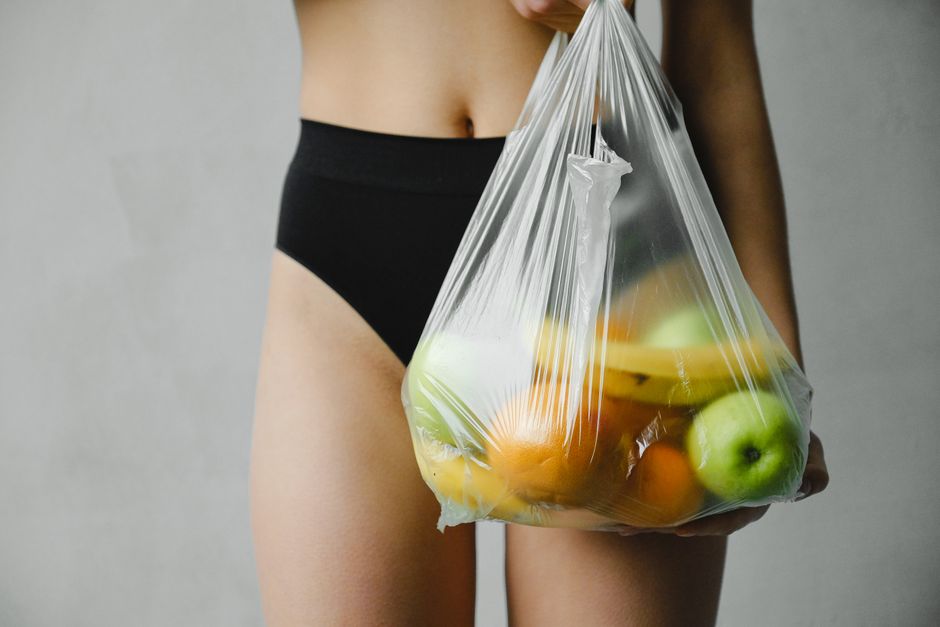
Plastic bags are a particular problem. They tangle in sorting machinery at recycling facilities, causing shutdowns and equipment damage. Most curbside programs explicitly forbid plastic bags in the bin. If you put your recyclables in a plastic bag, the entire bag and its contents may be discarded without being sorted. The bags themselves can often be recycled separately at store drop-off locations, but they should never go in your curbs bin.
Another issue is that not all plastics are economically worth recycling. When oil prices are low, making new plastic is cheaper than collecting, sorting, and reprocessing old plastic. This is why some recycling programs have reduced the types of plastic they accept. It is not that the technology does not exist — it is that the market does not always support it.

What Does the Number 7 Mean?
Number 7 is the “other” category. It includes many different plastics, and the number alone does not tell you what the item is made from. Some number 7 plastics are recyclable, and some are not. Polycarbonate, which contains BPA, falls into this category, as do some compostable bioplastics.
Because number 7 is so mixed, most recycling programs do not accept it. Unless the item specifically says it is recyclable and your local program confirms it, treat number 7 as trash. Do not assume a number 7 item can be recycled just because it has the chasing arrows symbol on it. The symbol is a resin code, not a guarantee of recyclability.
How To Recycle Plastic Correctly
The most accurate way to know what your local program accepts is to check their website or app. Rules vary by city and county, and they change over time. What was accepted last year may not be accepted this year.
Follow these general rules to improve your recycling accuracy:
- Empty and rinse containers before recycling. Food residue contaminates the batch.
- Leave caps on plastic bottles unless your local program says otherwise. Many facilities now have the equipment to process caps separately.
- Do not put plastic bags in your curbside bin. Return them to store drop-off locations instead.
- Do not put any plastic item smaller than a credit card in the recycling bin. Small items fall through sorting screens and contaminate other materials.
- Check the number on the item, then check your local program’s accepted list. When in doubt, throw it out. Wish-cycling — putting non-recyclables in the bin hoping they get recycled — hurts the system.
Some communities use single-stream recycling, where all recyclables go in one bin. Others use dual-stream, where paper and containers are separated. The sorting technology at your local facility determines what can be processed. Even if an item has a recycling symbol, the facility may not be able to process it.
Are Bioplastics Recyclable?
Bioplastics are made from plant materials like corn or sugarcane rather than petroleum. Many are labeled “compostable” or “biodegradable.” These labels do not mean the items can go in your recycling bin.
Compostable plastics are designed to break down in industrial composting facilities, not in backyard compost piles. Most municipal composting programs do not accept them, and they contaminate regular plastic recycling streams. If a bioplastic item ends up in a recycling bin, it can ruin an entire batch of conventional plastic because the two materials have different melting points and cannot be processed together.
Some bioplastics are technically recyclable, but very few facilities accept them. Check with your local program before putting any compostable or biodegradable plastic in the bin. In most areas, these items belong in the trash unless your community specifically collects them.
What Happens to Recycled Plastic?
Recycled plastics are sorted, cleaned, shredded, and melted down into pellets or flakes. These raw materials are sold to manufacturers who use them to make new products. PET bottles become polyester fiber for clothing and carpets. HDPE becomes new bottles, piping, and plastic lumber. PP becomes automotive parts, storage bins, and reusable containers.
The recycling rate for plastic in the United States remains low. Most plastic waste still ends up in landfills or the environment. The reasons are complex: contamination, lack of markets, and the sheer volume of plastic produced. Reducing your plastic use in the first place is often more effective than recycling it. Reusing containers, choosing products with less packaging, and refusing single-use plastics when possible all reduce the demand for new plastic production.
Frequently Asked Questions
Can I recycle plastic bags with the numbers on them?
No, plastic bags should not go in your curbside recycling bin. Take clean, dry plastic bags to store drop-off locations that accept them for recycling.
Is number 5 plastic recyclable?
Number 5 polypropylene is recyclable in many curbside programs, but not all. Check your local recycling guidelines to confirm whether they accept it.
What does the chasing arrows symbol mean?
The chasing arrows symbol with a number is a resin identification code that identifies the plastic type. It does not guarantee the item is recyclable in your area.
Why is number 6 plastic not recyclable?
Number 6 polystyrene is difficult and costly to recycle. Most facilities do not have the equipment or market demand to process it, so it typically goes to landfill.
