
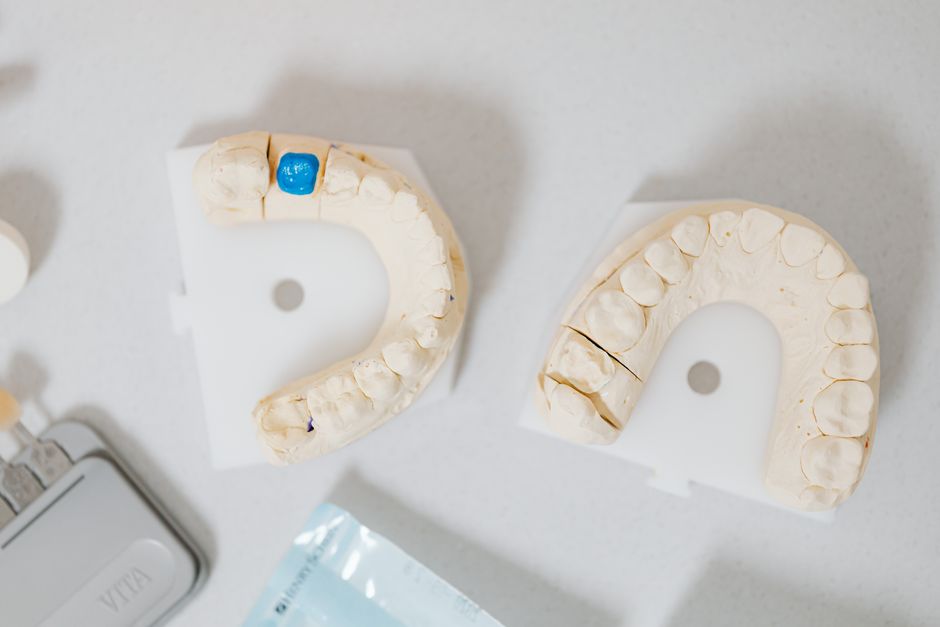
A dental crown typically costs between $500 and $1,500 for a single tooth, though the price can climb to $2,500 or more when a root canal, post, or buildup is also needed. The material matters most: all-metal crowns sit at the low end, porcelain-fused-to-metal lands in the middle, and all-ceramic or zirconia crowns sit at the top. Where you live and who places the crown can swing the price by hundreds of dollars for the identical procedure.
How Much Does A Dental Crown Cost by Material?
The material is the single biggest driver of price. A crown is a custom cap that covers a damaged or weakened tooth, and the lab work behind each type costs the dentist different amounts.
Here is the general range you can expect in the United States before insurance:
- All-metal (gold alloy or base metal): roughly $500 to $1,200. Durable and the least likely to chip, but visible.
- Porcelain-fused-to-metal: roughly $800 to $1,500. A metal shell with porcelain layered on top. Strong and natural-looking, though the porcelain can wear down opposing teeth over time.
- All-ceramic or all-porcelain: roughly $800 to $2,000. Best for front teeth because the color and light transmission match natural enamel.
- Zirconia: roughly $1,000 to $2,500. A strong ceramic often used for back teeth.
These are ranges, not fixed prices. The same zirconia crown can cost $900 at one office and $2,000 at another across town. That gap usually reflects lab quality, the dentist’s overhead, and local demand rather than a difference in the crown itself.
What Is Not Included in the Crown Price?
A crown rarely stands alone. The fee you are quoted often covers only the crown, and several other charges can appear on the final bill.
Common add-ons include:
- Core buildup: rebuilding a broken-down tooth so the crown has something to sit on. Often $200 to $500.
- Root canal: needed if the tooth’s nerve is damaged. This can run from several hundred to over $1,000 depending on the tooth.
- Post and core: a small post placed inside the root to anchor the crown, typically a few hundred dollars.
- X-rays and exams: often billed separately.
- Emergency or sedation fees: vary widely by office.
This is why two people can get “a crown” and pay very different totals. Always ask for a written treatment plan that lists every code and its cost before you agree to anything.
Does Dental Insurance Cover Crowns?
Many dental plans cover part of the cost of a crown, usually 50 percent after you meet your deductible, up to an annual maximum.
The catch is that crowns are often classified as “major” services, which plans cover at a lower rate than cleanings or fillings. A typical annual maximum sits somewhere between $1,000 and $2,000, and a single crown plus a buildup can eat most or all of it.
Coverage also depends on why the crown is needed. A crown to restore a broken tooth is usually covered. A crown placed purely for cosmetic reasons usually is not. If you are near the end of your plan year, some people split treatment across two calendar years to use two annual maximums. That is a financial strategy, not a clinical one, and it only works if waiting does not risk the tooth.




Why Do Crown Prices Vary So Much?
Geography is a major factor. A crown in a large coastal city often costs far more than the same crown in a rural area, because rent, staffing, and lab costs differ.
The type of provider matters too. A general dentist, a prosthodontist (a specialist in restoring teeth), and a dental school clinic will each quote differently. Dental school clinics can cost significantly less because supervised students do the work, though appointments take longer.
The lab used also plays a role. Crowns milled in-house with a digital scanner on the same day may cost more or less than ones sent to an outside lab, depending on the practice.
One thing that does not change with price is the basic idea of what a crown does. It restores the shape, size, and strength of a tooth that cannot be fixed with a filling alone. A higher price buys better materials, a more experienced provider, or a more convenient location, not a fundamentally different procedure.
Are There Cheaper Alternatives to a Crown?
Sometimes a crown is not the only option, and sometimes it is the only thing that will hold.
For a tooth with moderate damage, a large filling or an inlay or onlay (a partial crown) may work and cost less. For a tooth that is cracked, heavily worn, or has had a root canal, a crown is usually the standard way to protect it from breaking.
If cost is the barrier, ask about these options directly:
- A dental school clinic, where supervised students provide lower-cost care.
- A payment plan through the dental office.
- Third-party financing or a dental discount plan, which is not insurance but can lower the price at participating offices.
- Delaying the crown only if the dentist confirms the tooth is stable enough to wait.
Be cautious with any provider that promises a very low crown price without a written plan. A cheap crown that fails and needs to be redone usually costs more than doing it once at a fair price.
How Long Do Crowns Last, and Does That Affect Cost?
A well-made crown can last many years, and some last decades. How long depends on the material, your bite, your oral hygiene, and whether you grind your teeth.
This matters for cost because the true price of a crown is the price divided by how long it lasts. A $1,200 crown that lasts 20 years costs far less per year than a $700 crown that fails in three.
Grinding, also called bruxism, is a common reason crowns chip or come loose. If you grind, a dentist may recommend a night guard, which is an added cost but can protect the crown. Good brushing, flossing, and regular checkups help the tooth and gum around the crown stay healthy.
No material is guaranteed to last a set number of years. Any specific lifespan figure you see should be treated as an average, not a promise.
What Should You Ask Before Getting a Crown?
A short list of questions can prevent billing surprises and help you compare options fairly.
- What material are you recommending, and why is it the right choice for this tooth?
- Is the price all-inclusive, or are buildup, root canal, and X-rays billed separately?
- What will my insurance cover, and what is my out-of-pocket cost?
- How long should this crown last with good care?
- What happens if it fails or needs adjustment?
Get the answers in writing. Dental offices expect these questions, and a clear written plan protects you. If a provider cannot or will not give you one, that is worth noting.
Frequently Asked Questions
How much does a dental crown cost without insurance?
Without insurance, a single crown usually costs between $500 and $1,500, and can reach $2,500 or more for premium materials or when a root canal and buildup are also needed. The material and your location drive most of the difference.
Is a dental crown cheaper than an implant?
A crown is generally much cheaper than a dental implant, which involves surgically placing a titanium post and typically costs well over $1,500 for the implant alone before the crown on top. A crown is only an option when enough of the original tooth remains to support it.
Does insurance cover the full cost of a crown?
Most dental plans cover about half the cost of a crown after your deductible, up to an annual maximum that is often $1,000 to $2,000. Cosmetic crowns and amounts beyond your annual maximum are usually not covered.
Can I get a dental crown for less than $500?
It is possible at a dental school clinic or through a discount plan, but a very low price from a regular office often means the crown or the needed prep work is being billed separately. Always ask for a written, itemized treatment plan before agreeing.
