
Recycling packing materials is not one single task. It is a set of decisions based on the material in your hand. Cardboard goes in one bin, bubble wrap goes to a drop-off, and packing peanuts need a special search. Getting it right means knowing which materials your local facility actually accepts, because rules vary by city and state. The core rule is simple: when in doubt, check your local guidelines rather than guessing and contaminating the recycling stream.
Why Does Proper Recycling of Packing Materials Matter?
Contamination is the biggest problem in recycling. When non-recyclable items end up in the bin, they can ruin an entire load of otherwise good material. A single greasy pizza box can spoil a bale of clean cardboard. The same applies to packing materials.
Plastic bags and film wrap get tangled in sorting machinery at recycling facilities. This causes shutdowns and forces workers to manually cut the material free. It is dangerous and expensive. When facilities cannot process the material, it gets sent to landfill anyway.
Proper sorting keeps materials in the circular economy. It reduces the demand for virgin resources and lowers the environmental footprint of your shipment. It also saves your local recycling program money, which keeps costs down for everyone.
What Are the Different Types of Packing Materials?
Packing materials fall into a few clear categories. Each has its own recycling path. Knowing the category is the first step to correct disposal.
- Paper-based: Cardboard boxes, paper wrap, kraft paper, and molded pulp inserts.
- Plastic film: Bubble wrap, air pillows, plastic mailers, and shrink wrap.
- Rigid plastics: Plastic containers, trays, and clamshells.
- Foam: Expanded polystyrene (EPS) packing peanuts and rigid foam blocks.
- Biodegradable: Cornstarch packing peanuts and other compostable materials.
Each category requires different handling. Paper goes in curbside bins. Film often needs a store drop-off. Foam rarely goes in curbside bins. Biodegradable options may need industrial composting facilities that are not available everywhere.
How To Recycle Packing Materials The Right Way: Cardboard and Paper
Cardboard boxes are the easiest item to recycle. Flatten them completely before placing them in your bin. This saves space and prevents them from being mistaken for trash. Remove all tape, labels, and plastic inserts where possible. Some facilities accept tape, but removing it improves the quality of the recycled pulp.
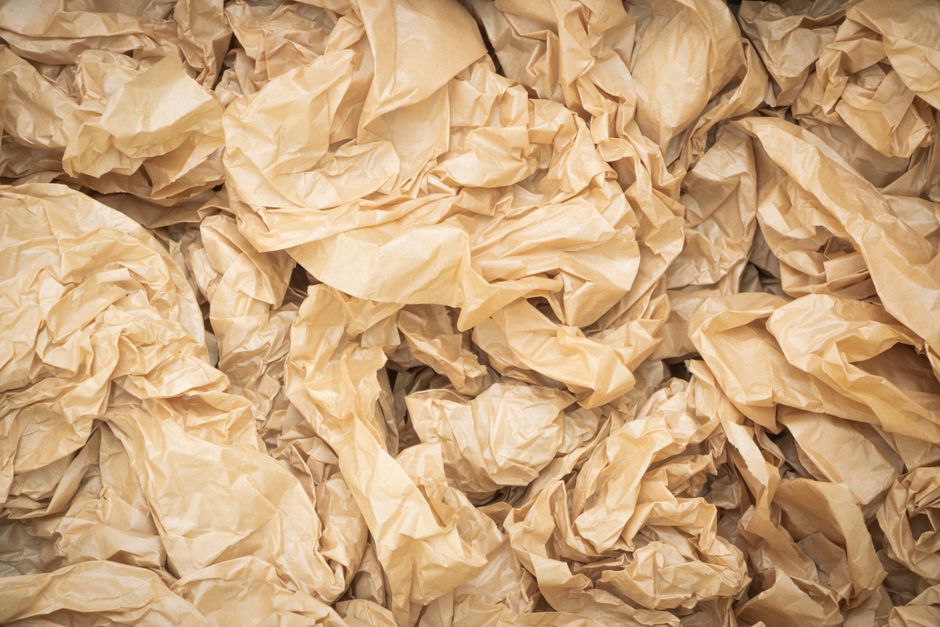
Paper wrap and kraft paper follow the same path. Crumpled paper is fine. Shredded paper is trickier because the small pieces fall through sorting screens. Check with your local facility about shredded paper. Many accept it if placed in a paper bag, but some do not take it at all.
Molded pulp inserts, like the ones used for electronics and bottles, are recyclable with paper. They break down in the pulping process just like cardboard. Keep them dry and clean. Wet paper contaminates the recycling stream and cannot be processed.
Wax-coated or plastic-lined paper is not recyclable. If the paper has a shiny coating or feels waxy, it goes in the trash. The same applies to paper contaminated with food or oil.




How To Recycle Bubble Wrap and Plastic Film
Bubble wrap and plastic air pillows are made from low-density polyethylene (LDPE). This is the same material as plastic grocery bags. Most curbside programs do not accept it because it jams sorting equipment.
The right way to recycle these is through store drop-off programs. Many major grocery and retail chains have bins near their entrances for plastic film. These programs accept clean, dry plastic bags, bubble wrap, and air pillows. Remove all labels and tape first. Air pillows should be popped or deflated before dropping them off.
Plastic mailers are a mixed case. If the mailer is made entirely of plastic film, it can go in the store drop-off bin. If it has paper labels or is padded with bubble wrap inside, check the label. Many padded mailers are not recyclable because they combine materials that are hard to separate.
Never put plastic film in your curbside recycling bin. It tangles in the machinery and causes costly shutdowns. The small effort of taking it to a store drop-off makes a real difference.
What To Do With Packing Peanuts and Foam
Packing peanuts are made of expanded polystyrene (EPS). They are lightweight but bulky. Most curbside recycling programs do not accept them. The peanuts can escape sorting screens and contaminate other materials.
The best option for packing peanuts is reuse. Many shipping stores and packaging retailers accept clean packing peanuts for reuse. Call ahead to confirm they take them. Some UPS and FedEx locations have collection bins for this purpose.
If reuse is not available, check for a foam recycling drop-off. Some communities have special collection events for EPS. The foam is densified and turned into new products like picture frames and crown molding. These programs are not universal, so you must search for one in your area.
Rigid foam blocks, like the ones used for coolers or large electronics, follow the same rules. They are EPS and require special handling. Do not put them in your curbside bin unless your local program explicitly states they accept them.
Biodegradable packing peanuts are different. They dissolve in water and are made from cornstarch. These can go in a home compost bin in many cases. Check the packaging to confirm they are truly compostable. Some facilities accept them in commercial composting programs, but availability varies widely.
Common Mistakes People Make When Recycling Packing Materials
The most common mistake is wish-cycling. This is when people put items in the recycling bin hoping they are recyclable. It contaminates the stream and creates extra work for sorting facilities. When you are unsure, it is better to throw the item away than to contaminate a whole batch of recyclables.
Another mistake is leaving materials in boxes. Tape, plastic windows, and foam inserts should be removed before recycling. These materials do not break down in the pulping process and reduce the quality of the final product.
People also forget to flatten boxes. Unflattened boxes take up space and can block sorting machinery. They also make collection less efficient because trucks fill up faster.
Finally, many people recycle dirty materials. Cardboard with grease stains or paper with food residue cannot be processed. The contamination spreads to clean materials in the same load. When in doubt, cut off the clean portion and recycle that, or throw the whole item away.
How To Find Your Local Recycling Rules
Local rules vary more than most people realize. What is recyclable in one city may be trash in another. The best resource is your local municipal website. Search for “recycling guidelines” plus your city or county name.
Many facilities post their accepted materials list online. This list is the definitive answer for your area. It is updated when processing capabilities change. Check it regularly if you recycle often.
Some regions use a third-party service like Earth911 to help locate drop-off points. These databases allow you to search by material and zip code. They are useful for finding where to take plastic film, foam, and other specialty items.
If you cannot find information online, call your waste management provider directly. They can tell you exactly what to do with each material. It takes a few minutes and prevents costly mistakes.
Frequently Asked Questions
Can bubble wrap go in the curbside recycling bin?
No. Bubble wrap is plastic film that jams sorting machinery at most recycling facilities. Take it to a store drop-off bin for plastic bags instead.
Are packing peanuts recyclable?
Most packing peanuts are made of polystyrene and are not accepted in curbside programs. Reuse them at a shipping store or find a specialty EPS drop-off location.
Do I need to remove tape from cardboard boxes before recycling?
Removing tape improves the quality of recycled paper, but many facilities can handle small amounts. Remove what you can easily pull off and flatten the box completely.
Can biodegradable packing peanuts go in my home compost?
Yes, if they are labeled as compostable and made from cornstarch. Confirm the label before adding them, because not all “biodegradable” products break down in home compost systems.
