

Hemoglobin, often written as Hgb or Hb, is the protein in your red blood cells that carries oxygen from your lungs to the rest of your body. When your hemoglobin is low, you feel tired, weak, and short of breath because your tissues are not getting enough oxygen. You can raise your hemoglobin levels by eating more iron-rich foods, pairing them with vitamin C to improve absorption, and taking targeted supplements like iron, folate, and vitamin B12 when a deficiency is confirmed. The key is identifying which nutrient deficiency is causing the low hemoglobin, because taking the wrong supplement will not fix the problem.
What Causes Low Hemoglobin Levels?
Low hemoglobin is not a disease itself. It is a sign that something else is going on. The most common cause worldwide is iron deficiency. Your body needs iron to build hemoglobin, and without enough of it, your red blood cells become small and pale.
But iron is not the only nutrient involved. Your body also needs folate (vitamin B9) and vitamin B12 to make healthy red blood cells. A deficiency in either of these causes a different type of anemia, where the red blood cells are larger than normal and cannot carry oxygen efficiently.
Other causes include chronic diseases like kidney disease or rheumatoid arthritis, blood loss from heavy menstrual periods or internal bleeding, pregnancy, and inherited conditions like sickle cell anemia or thalassemia. If your hemoglobin is low, you need a doctor to determine why before you start treating it with food and supplements.
How To Raise Hgb Levels With Food And Supplements: The Iron Connection
If your doctor confirms iron deficiency, your first step is increasing dietary iron. There are two types of iron in food: heme iron and non-heme iron. Heme iron comes from animal sources and is absorbed much more efficiently by your body. Non-heme iron comes from plants and is absorbed less efficiently.
Excellent sources of heme iron include:
- Lean red beef
- Liver and organ meats
- Dark meat poultry like chicken thighs
- Oysters, clams, and mussels
- Sardines and canned tuna
Good sources of non-heme iron include:
- Lentils and beans
- Tofu and tempeh
- Spinach and other dark leafy greens
- Fortified breakfast cereals
- Pumpkin seeds and sesame seeds
- Dried apricots and raisins
Here is a critical detail most people do not know: non-heme iron absorption is heavily influenced by what else you eat at the same meal. Vitamin C can increase non-heme iron absorption by several times. Eating a handful of strawberries, a glass of orange juice, or a serving of bell peppers with your lentil soup makes a real difference.
The opposite is also true. Calcium, tannins in tea and coffee, and phytates in whole grains block iron absorption. Drinking coffee or tea with your iron-rich meal can cut absorption significantly. Wait at least one hour after eating before drinking coffee or tea.
Iron Supplements: What You Need To Know
Food alone is often not enough to correct a true iron deficiency. When your hemoglobin is significantly low, supplements are usually necessary. This is a case where following clinical guidance matters more than trying to fix it with diet alone.
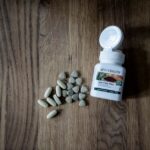
Common iron supplements include ferrous sulfate, ferrous gluconate, and ferrous fumarate. These are all effective forms of iron. The amount of elemental iron varies between them, so check the label carefully. Your doctor will recommend a specific dose based on your hemoglobin level and your weight.
Iron supplements work best when taken on an empty stomach, but they can cause nausea and stomach cramps. If that happens, take them with a small amount of food. Avoid taking iron with dairy products, calcium supplements, or antacids because these significantly reduce absorption.
Taking iron with vitamin C improves absorption. A glass of orange juice or a 250 mg vitamin C supplement taken with your iron pill is a common clinical recommendation.
Expect some digestive changes. Iron supplements commonly cause dark stools, constipation, or diarrhea. These side effects are usually manageable but worth knowing about before you start. If constipation becomes severe, talk to your doctor about adjusting the dose or switching to a different form of iron.

When Folate and Vitamin B12 Are The Problem
Not all low hemoglobin is iron deficiency. If your doctor finds you have macrocytic anemia — meaning your red blood cells are larger than normal — the likely culprits are folate or vitamin B12 deficiency.
Folate is found in leafy green vegetables, citrus fruits, beans, and fortified grains. Cooking can destroy folate, so eating raw or lightly cooked vegetables is better. Folate deficiency is less common now because many grain products are fortified with folic acid, but it still occurs in people with poor diets, heavy alcohol use, or certain digestive conditions.
Vitamin B12 is found almost exclusively in animal products: meat, fish, eggs, and dairy. Vegans and strict vegetarians are at higher risk for B12 deficiency. So are older adults, because the stomach produces less acid with age, and acid is needed to absorb B12 from food.
A critical point: taking folic acid can mask a B12 deficiency. Folic acid will correct the anemia, but it will not correct the nerve damage that B12 deficiency causes. If you have B12 deficiency, you need B12 specifically. This is why you should never self-diagnose and treat anemia without a doctor’s blood work.
B12 supplements are available as pills, sublingual tablets, and injections. For people with absorption problems, high-dose oral B12 or injections are often needed. Your doctor will determine which route is right for you.
How Long Does It Take To Raise Hemoglobin?
Hemoglobin does not rise overnight. Red blood cells take time to be produced and mature. With consistent iron supplementation, you can expect your hemoglobin to start rising within 2 to 4 weeks. Most doctors will recheck your blood after about a month to see if the treatment is working.
Full correction of anemia usually takes 2 to 3 months. Even after your hemoglobin returns to normal, your doctor may recommend continuing iron supplements for several more months to rebuild your body’s iron stores, which are measured by a test called ferritin.
If your hemoglobin does not improve after a few months of treatment, your doctor will look for other causes. This could include ongoing blood loss, an absorption problem in your gut, or another underlying condition. Do not assume that more supplements will fix it. More is not better when it comes to iron — excessive iron can damage your organs.
Foods That Help and Foods That Hurt
Knowing which foods help and which hurt is the practical core of raising hemoglobin through diet. Here is a clear breakdown:
Foods that help:
- Red meat, poultry, and fish for heme iron
- Beans, lentils, and tofu for non-heme iron
- Citrus fruits, tomatoes, and bell peppers for vitamin C
- Leafy greens for folate
- Eggs and dairy for B12
Foods that hurt absorption:
- Tea and coffee (tannins)
- Dairy products (calcium)
- Whole grains and legumes (phytates)
- Eggs — the protein in eggs can interfere with iron absorption from other foods
You do not need to eliminate these foods. You just need to separate them from your iron-rich meals. Eat your steak with broccoli and a glass of orange juice. Save the milk and tea for later.
When To See A Doctor
You should never try to raise your hemoglobin without first knowing your blood counts. If you have symptoms of anemia — fatigue, weakness, pale skin, shortness of breath, dizziness, cold hands and feet — see a doctor and ask for a complete blood count (CBC) test.
Low hemoglobin can be a sign of serious underlying conditions, including internal bleeding or chronic disease. Self-treating with iron supplements without a diagnosis can delay proper treatment and cause harm.
If you are already being treated for anemia and your symptoms are not improving, return to your doctor. Do not increase your supplement dose on your own. Iron toxicity is real and can damage your liver and heart over time.
Frequently Asked Questions
How quickly can food raise hemoglobin levels?
Dietary changes alone usually take several weeks to months to raise hemoglobin, and food alone is often insufficient for a true deficiency. Supplements work faster than food and are the standard treatment for confirmed iron deficiency anemia.
What is the best iron supplement to raise hemoglobin?
Ferrous sulfate is the most commonly recommended and studied form of iron, but ferrous gluconate and ferrous fumarate are also effective. The best supplement is the one your doctor prescribes at the right dose for your specific blood test results.
Can you raise hemoglobin without supplements?
Mild iron deficiency can sometimes be corrected with diet alone, especially if you increase heme iron intake and pair plant iron with vitamin C. Moderate to severe anemia almost always requires supplements because food cannot deliver enough iron quickly enough.
Is it safe to take iron supplements every day?
Daily iron supplements are safe when taken at the dose your doctor recommends for a confirmed deficiency. Taking extra iron without a deficiency can cause iron overload, which is harmful to your liver, heart, and pancreas.
