
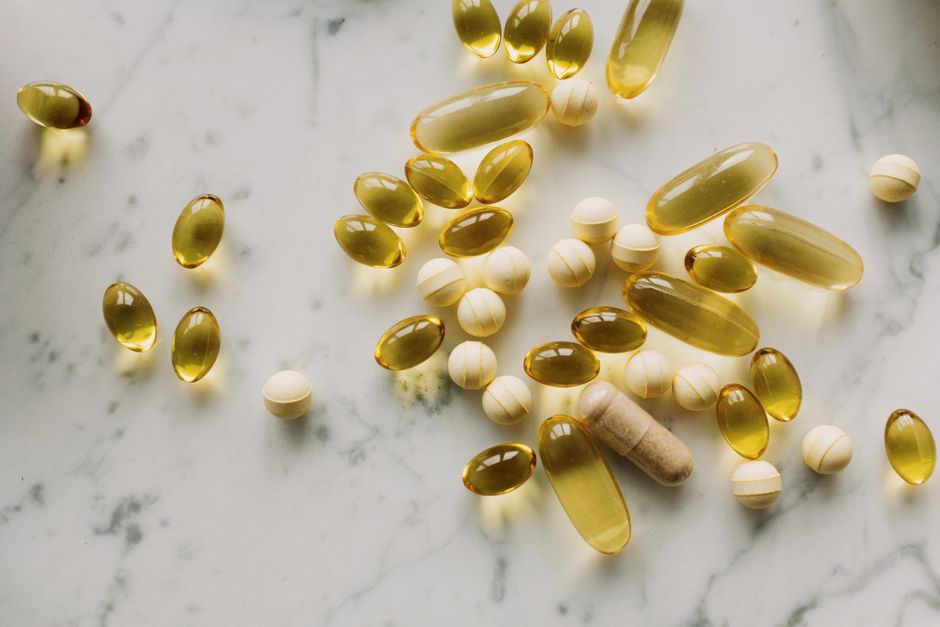
Most people do not get enough omega-3s. The typical Western diet is low in fatty fish and high in omega-6 oils from processed foods. This imbalance matters because omega-3s help control inflammation, support brain function, and keep your heart healthy. To increase your intake, eat fatty fish twice a week and add plant sources like walnuts and flaxseeds. If you cannot get enough from food alone, a fish oil or algae oil supplement can close the gap. The key is consistency — small daily changes add up over time.
What Are Omega-3s and Why Do You Need Them?
Omega-3s are a type of polyunsaturated fat. Your body cannot make them, so you must get them from food or supplements. There are three main types: ALA, EPA, and DHA.
ALA comes from plants like flaxseeds, chia seeds, and walnuts. Your body can convert some ALA into EPA and DHA, but the conversion rate is low — around 5 to 15 percent. That is why relying only on plant sources for EPA and DHA is not ideal.
EPA and DHA come mostly from marine sources. Fatty fish like salmon, mackerel, and sardines are the richest sources. Algae oil is the only plant-based source that provides DHA directly. EPA helps reduce inflammation. DHA is a structural part of your brain and eyes. Research published in the journal Prostaglandins, Leukotrienes and Essential Fatty Acids has linked higher DHA levels to better cognitive function in older adults.
How Much Omega-3 Do You Actually Need?
There is no single official daily requirement for omega-3s in the United States. The National Academies have set an Adequate Intake (AI) for ALA only — 1.1 grams per day for women and 1.6 grams for men. For EPA and DHA, most health organizations recommend a combined total of 250 to 500 milligrams per day for general health.
The American Heart Association suggests eating two servings of fatty fish per week. Each serving is about 3.5 ounces cooked. That provides roughly 500 to 1,000 milligrams of EPA and DHA per day depending on the fish.
If you have high triglycerides, your doctor may recommend higher doses — 2 to 4 grams of EPA plus DHA per day. Do not take high doses without medical supervision. Omega-3s thin the blood at high levels, which can increase bleeding risk.
How To Increase Omega 3 Intake With Food And Supplements: A Practical Guide
The easiest way to increase omega-3 intake is to eat more fatty fish. Salmon, herring, sardines, mackerel, and anchovies are the top sources. A single 3.5-ounce serving of cooked salmon provides about 2,200 milligrams of EPA and DHA combined. That is more than enough for the whole week in one meal.
For people who do not eat fish, plant sources are the next option. Flaxseeds, chia seeds, hemp seeds, and walnuts are rich in ALA. Ground flaxseeds are better absorbed than whole ones. Add a tablespoon to oatmeal, yogurt, or smoothies. Walnuts make an easy snack — a quarter cup gives you about 2.5 grams of ALA.
| Food Source | Serving Size | Omega-3 Content (EPA+DHA or ALA) |
|---|---|---|
| Cooked salmon | 3.5 oz | 2,200 mg (EPA+DHA) |
| Canned sardines | 3.5 oz | 1,500 mg (EPA+DHA) |
| Ground flaxseeds | 1 tbsp | 1,600 mg (ALA) |
| Chia seeds | 1 tbsp | 1,800 mg (ALA) |
| Walnuts | 1/4 cup | 2,500 mg (ALA) |
| Algae oil supplement | 1 capsule | 200-400 mg (DHA) |
If food alone is not enough, supplements can help. Fish oil is the most common. Look for a brand that lists the amounts of EPA and DHA on the label — not just “total omega-3s.” A standard dose is one to two grams per day. Algae oil is a good alternative for vegetarians and vegans. It provides DHA directly, though EPA levels are usually lower.





What Does the Research Say About Omega-3 Supplements?
The evidence for omega-3 supplements is mixed. Several large trials have tested whether fish oil pills prevent heart attacks in healthy people. The results have been disappointing. A 2018 review in the Cochrane Database of Systematic Reviews found that omega-3 supplements probably reduce the risk of heart disease slightly, but the effect is small.
Where supplements do show clear benefit is in people who already have heart disease or high triglycerides. The REDUCE-IT trial, published in the New England Journal of Medicine in 2019, found that a high-dose prescription omega-3 drug reduced heart attacks and strokes by 25 percent in people with high triglycerides and existing heart disease. That drug is not the same as over-the-counter fish oil. It uses a purified form of EPA only.
For brain health, the evidence is also mixed. Some studies suggest that people with higher blood levels of DHA have slower cognitive decline. But supplement trials have not consistently shown that fish oil pills improve memory in healthy adults. The largest trial to date, the VITAL study published in JAMA in 2020, found no significant benefit of omega-3 supplements on cognitive decline over five years in older adults.
Bottom line: food sources are more reliable than supplements. If you take a supplement, choose a reputable brand and do not expect miracles.
What Are the Side Effects of Omega-3 Supplements?
Omega-3 supplements are generally safe for most people. The most common side effects are mild and include fishy aftertaste, burping, nausea, and loose stools. Taking the supplement with a meal or freezing the capsules can reduce these issues.
Higher doses — above 3 grams per day — can thin the blood. This increases the risk of bleeding, especially if you take blood thinners like warfarin or aspirin. If you have a bleeding disorder or are scheduled for surgery, talk to your doctor before taking high-dose omega-3s.
Some fish oil supplements can go rancid. Rancid oil smells fishy and may cause stomach upset. It can also reduce the effectiveness of the supplement. Store your fish oil in the refrigerator and check the expiration date. If it smells bad, throw it out.
Common Misconceptions About Omega-3s
One common myth is that all omega-3 supplements are the same. They are not. The form matters. Triglyceride form is better absorbed than ethyl ester form. Most high-quality brands use the triglyceride form. Check the label.
Another myth is that plant-based omega-3s are just as good as fish-based ones. ALA from plants is beneficial, but it does not provide the same direct benefits as EPA and DHA. If you are vegan, consider an algae oil supplement for DHA.
Some people think that eating fish oil capsules is the same as eating fish. It is not. Fish provides protein, vitamin D, selenium, and other nutrients that supplements lack. Whole food sources are always preferable.
A final misconception is that more is always better. Taking excessive amounts of omega-3s does not provide extra benefits and can cause harm. Stick to recommended doses unless a doctor advises otherwise.
What to Avoid When Increasing Omega-3 Intake
Avoid relying on processed foods that claim to be “omega-3 enriched.” These often contain ALA from flaxseed, which is poorly converted to EPA and DHA. The amounts are usually too small to matter.
Avoid cooking fatty fish in ways that destroy the oil. Deep frying at high temperatures can degrade omega-3s. Baking, broiling, or poaching are better methods. Canned fish packed in water or olive oil is a convenient option that preserves the nutrients.
Avoid taking fish oil supplements that are past their expiration date or stored in warm places. Heat and light cause oxidation. Oxidized fish oil may not provide benefits and could even cause inflammation.
Do not assume that eating salmon once a month is enough. Consistency matters. Aim for at least two servings of fatty fish per week. If you cannot do that, a daily supplement can help fill the gap.
Frequently Asked Questions
What is the best food source of omega-3s?
Fatty fish like salmon, mackerel, sardines, and herring are the best sources because they provide EPA and DHA directly.
Can I get enough omega-3s from plants alone?
Plant sources provide ALA, which your body converts poorly to EPA and DHA, so relying only on plants may not be enough.
How much fish oil should I take daily?
A standard dose is 1,000 to 2,000 milligrams of combined EPA and DHA per day, but check with your doctor for your specific needs.
Are omega-3 supplements safe for everyone?
They are safe for most people, but high doses can increase bleeding risk, especially if you take blood thinners.
