
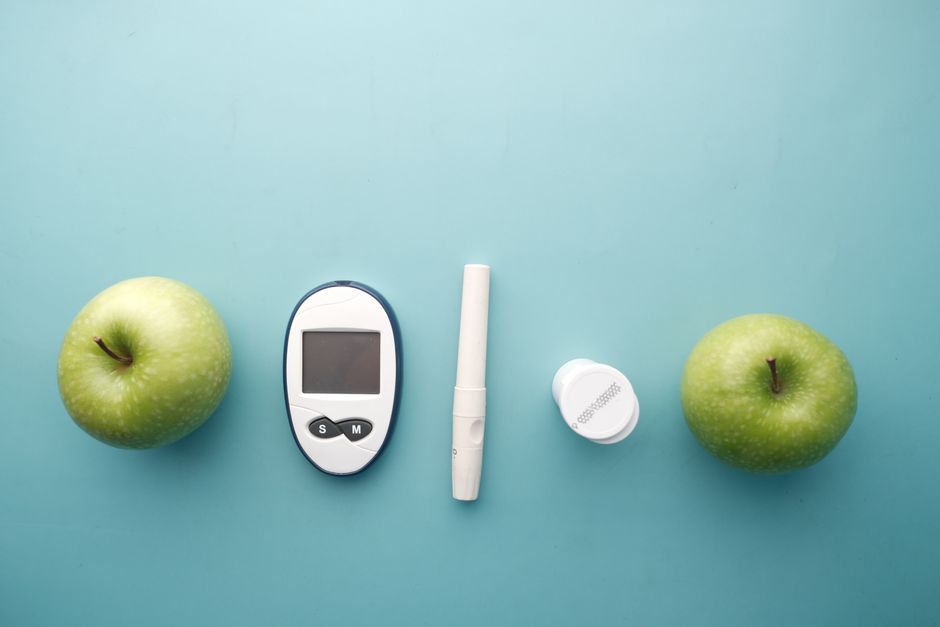
Your body runs on sugar, but too much of it in your blood causes real damage over time. The simplest way to regulate your sugar levels is to change what you eat and how you move. A diet focused on protein, fiber, and healthy fats combined with regular exercise keeps your blood sugar steady. This is not about a quick fix. It is about building habits that work with your body’s natural systems.
What Is Blood Sugar Regulation and Why Does It Matter?
Blood sugar, or glucose, is the main fuel for your cells. When you eat carbohydrates, your body breaks them down into glucose. Insulin, a hormone from your pancreas, helps move glucose into your cells. When this system works right, your blood sugar stays in a healthy range.
Problems start when your cells stop responding well to insulin. This is called insulin resistance. Your pancreas then has to make more insulin to keep up. Over time, your blood sugar stays high. The CDC reports that more than 1 in 3 American adults have prediabetes. Most of them do not know it.
High blood sugar damages blood vessels and nerves. It raises your risk for heart disease, kidney disease, and vision loss. Keeping your blood sugar in a normal range is not just about avoiding diabetes. It helps your energy, mood, and focus every single day.
How Does Diet Help Regulate Sugar Levels?
Food is the biggest lever you have. What you eat directly determines how much glucose enters your blood. The goal is to slow down that glucose release so your body can handle it without a spike.
Protein and fiber are your best tools. Both slow digestion. When you eat a meal with protein, your stomach empties more slowly. Fiber does the same thing. Research published in the Journal of Nutrition found that meals with at least 15 grams of protein and 8 grams of fiber produced significantly lower blood sugar spikes compared to meals without them.
Healthy fats also help. Avocado, nuts, olive oil, and fatty fish slow down how fast sugar enters your bloodstream. But they are calorie-dense, so portion size matters. A handful of almonds with an apple works better than an apple alone.
A simple rule is to build every meal around a protein source. Eggs at breakfast. Chicken or beans at lunch. Fish or tofu at dinner. Add vegetables for fiber. This pattern naturally lowers the glycemic load of your entire day.
Does How To Regulate Sugar Levels Diet Exercise More Actually Work?
Yes, and the evidence is strong. The combination of dietary changes and physical activity is the most effective non-medical strategy for blood sugar control. The American Diabetes Association recommends both diet and exercise as first-line treatment for prediabetes and type 2 diabetes.
A landmark study called the Diabetes Prevention Program followed over 3,000 people with prediabetes. The group that changed their diet and exercised 150 minutes per week reduced their risk of developing diabetes by 58 percent. That is better than the medication metformin, which reduced risk by 31 percent.
Diet and exercise work together in different ways. Diet controls how much sugar enters your blood. Exercise increases how much sugar your muscles take out of your blood. When you exercise, your muscles pull glucose from your blood without needing as much insulin. This effect lasts for hours after you stop moving.
This is not a one-time thing. Consistency matters more than intensity. A 20-minute walk every day helps more than a two-hour workout once a week.





What Type of Exercise Works Best for Blood Sugar?
Both aerobic exercise and resistance training help, but they help in different ways. Aerobic exercise like walking, jogging, or cycling improves how your body uses insulin. Resistance training like lifting weights or doing bodyweight exercises builds muscle, which stores more glucose.
A study published in Diabetes Care compared the two. People who did both aerobic and resistance exercise had better blood sugar control than those who did only one type. The best approach is a mix of both.
A practical weekly schedule might look like this:
- Three days of brisk walking or cycling for 30 minutes each
- Two days of resistance training with bands, weights, or bodyweight exercises
- One day of something active you enjoy, like swimming or dancing
Timing also matters. Exercise after a meal helps lower the blood sugar spike from that meal. A 15-minute walk after dinner can reduce your post-meal glucose by up to 30 percent according to research from the Journal of Applied Physiology.
What Foods Should You Eat and Avoid for Steady Sugar Levels?
Some foods help. Some foods hurt. The difference comes down to how fast they turn into glucose. A simple way to think about it is whole foods versus processed foods.
Foods that help keep sugar levels steady include:
- Non-starchy vegetables like broccoli, spinach, peppers, and zucchini
- Whole grains like oats, quinoa, and brown rice in moderate amounts
- Legumes like lentils, chickpeas, and black beans
- Nuts and seeds like almonds, walnuts, chia seeds, and flaxseeds
- Lean proteins like chicken, turkey, fish, eggs, and tofu
- Berries and other low-sugar fruits like apples and pears
Foods that cause rapid sugar spikes include sugary drinks, white bread, white rice, pasta, pastries, and candy. These foods digest quickly and flood your blood with glucose.
A comparison table can help you see the difference clearly:
| Food Choice | Effect on Blood Sugar | Better Alternative |
|---|---|---|
| Soda (12 oz) | Spikes within 20 minutes | Sparkling water with lemon |
| White bread (2 slices) | Raises sugar rapidly | Whole grain bread with seeds |
| Candy bar | Sharp spike then crash | Apple with almond butter |
| White rice (1 cup) | Moderate spike | Cauliflower rice or quinoa |
| Fruit juice (8 oz) | Spikes like soda | Whole fruit with skin |
What Role Does Meal Timing and Portion Size Play?
When you eat matters almost as much as what you eat. Large meals cause bigger blood sugar spikes. Spreading your food across the day helps keep levels steady.
Eating three moderate meals with one or two small snacks is a common pattern that works well. Skipping breakfast is linked to higher blood sugar later in the day according to research in the Journal of Clinical Endocrinology & Metabolism. Your body becomes more insulin resistant as the day goes on, so morning meals are often handled better than late-night ones.
Portion size is straightforward. A serving of carbohydrates is about the size of your fist. A serving of protein is about the size of your palm. A serving of vegetables is about two fists. Fill half your plate with vegetables, a quarter with protein, and a quarter with carbohydrates.
Eating in this pattern naturally reduces the total carbohydrate load of each meal. Your blood sugar stays lower because you are not overwhelming your system all at once.
What Are Common Misconceptions About Sugar Regulation?
Many people think that cutting out all sugar is the answer. That is not true and it is not sustainable. Your body needs glucose to function. The goal is steady levels, not zero sugar.
Another common myth is that fruit is bad for blood sugar because it contains sugar. Whole fruit comes with fiber, water, and nutrients that slow down sugar absorption. The sugar in fruit is packaged differently than the sugar in candy or soda. People who eat whole fruit regularly have lower diabetes risk according to a study in the British Medical Journal.
Some people believe that “diabetic” or “sugar-free” foods are safe. Many of these products contain sugar alcohols or artificial sweeteners that can still affect blood sugar or cause digestive issues. Stevia and monk fruit are better options, but they are not necessary for most people.
There is also a widespread claim that apple cider vinegar or cinnamon alone can regulate blood sugar. Some studies suggest these have modest effects, but they are small compared to diet and exercise. Relying on them instead of real lifestyle changes is a mistake.
Frequently Asked Questions
How long does it take to lower blood sugar with diet and exercise?
Most people see improvements in blood sugar within one to two weeks of consistent dietary changes and daily exercise. Full effects on insulin sensitivity can take several months.
Can walking after a meal really lower blood sugar?
Yes, a 15-minute walk after a meal can reduce your blood sugar spike by up to 30 percent. This effect is strongest after dinner.
Is it better to exercise before or after eating for blood sugar control?
Exercising after a meal helps lower the spike from that meal. Exercising before a meal can improve how your body handles the next meal. Both are beneficial.
Do artificial sweeteners affect blood sugar?
Most artificial sweeteners do not raise blood sugar directly, but some studies suggest they can change gut bacteria and affect insulin response over time. Stick with small amounts of stevia or monk fruit if needed.
