
Raising dragonflies from nymph to adult is a rewarding project, but it requires patience and a clear understanding of their life cycle. The process involves collecting or sourcing nymphs, housing them in a suitable aquatic environment, feeding them live prey, and providing a structure for them to climb out of the water when they are ready to emerge as adults. It is a delicate process, and success depends on mimicking their natural habitat closely.
What Do Dragonfly Nymphs Look Like and Where Do You Find Them?
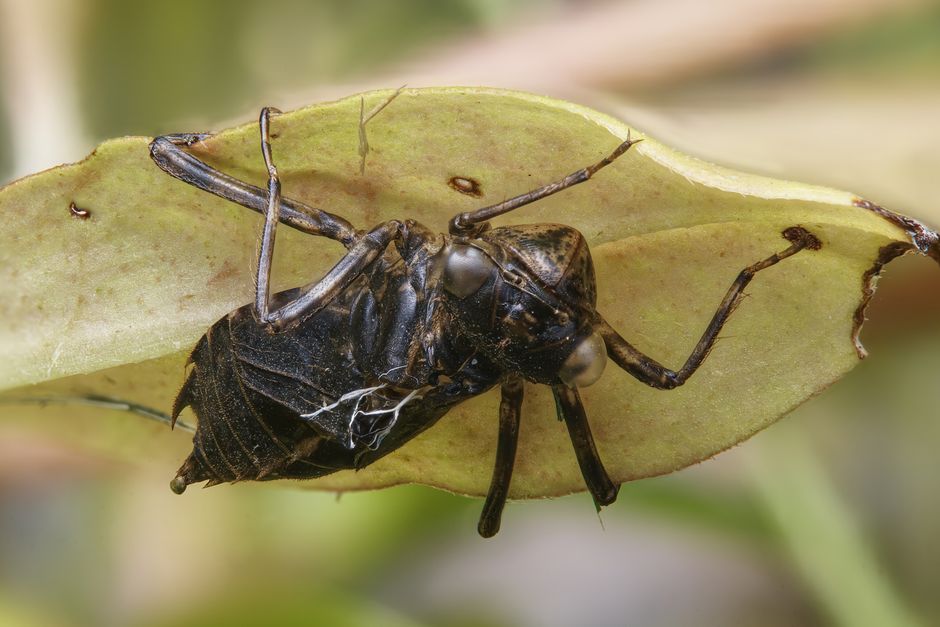
Dragonfly nymphs look nothing like the adults. They are aquatic, wingless creatures with elongated bodies and six legs. They have large, compound eyes and a distinctive hinged lower lip called a labium, which they shoot out to catch prey. They are usually brown, olive, or greenish in color, which helps them blend into the mud and vegetation at the bottom of ponds.
You can find them in freshwater habitats like ponds, lakes, and slow-moving streams. Look in shallow water near the edges, especially around submerged plants or leaf litter. Gently sweep a net through the vegetation and mud to collect them. Avoid taking nymphs from protected natural areas, and always check local regulations. If you prefer not to collect them, some biological supply companies sell nymphs for educational purposes.
How To Set Up a Habitat for Dragonfly Nymphs
Nymphs need a tank that mimics a calm pond. A glass aquarium or a large plastic container works well. The size depends on how many nymphs you keep, but a 10-gallon tank is a good starting point for a few individuals. Keep the water dechlorinated, using a water conditioner sold for aquariums. Do not use tap water straight from the faucet.
Add a layer of sand or fine gravel to the bottom. Include some aquatic plants, either live or artificial, to give the nymphs places to hide. They are cannibalistic, so hiding spots are essential if you keep more than one. A small, gentle filter can help keep the water clean, but make sure the current is not strong. Nymphs prefer still or slow-moving water. Keep the tank out of direct sunlight to prevent algae overgrowth and overheating.
What Do Dragonfly Nymphs Eat?
Nymphs are predators. They eat anything they can catch and overpower. In the wild, this includes mosquito larvae, small aquatic insects, tadpoles, and even small fish. In captivity, you need to provide live food. They will not eat dead or prepared foods.
Good food options include live bloodworms, daphnia, brine shrimp, and mosquito larvae. As the nymph grows, you can offer larger prey like small earthworms or flightless fruit flies. Feed them every day or every other day. Remove any uneaten food after a few hours to keep the water clean. Do not overfeed, as decaying food will spoil the water quality.





How Long Does It Take for a Nymph To Become an Adult?
The time varies greatly by species. Some species complete their development in a few months. Others take several years. The nymph stage is the longest part of the dragonfly life cycle. They molt multiple times as they grow, shedding their outer skin to get larger.
Water temperature plays a big role in growth rate. Warmer water speeds up development. Cooler water slows it down. You cannot rush this process safely. Patience is the most important tool you have. Some species also have a diapause period, a kind of pause in development, which can be triggered by seasonal changes.
How To Help a Nymph Emerge Into an Adult Dragonfly
When a nymph is ready to emerge, it will climb out of the water. This usually happens at night or in the early morning. You will notice the nymph becoming more restless and climbing onto plants or the sides of the tank above the waterline. This behavior signals that emergence is imminent.
You must provide a structure for the nymph to climb. A stick, a piece of driftwood, or a tall artificial plant that extends above the water surface works perfectly. The nymph will climb up, grip the surface, and its skin will split open. The adult dragonfly will slowly pull itself out. This process takes several hours. Do not touch or disturb the dragonfly during this time. Its wings are soft and wet, and any interference can cause permanent damage.
Once the adult has emerged and its wings have hardened, it will fly away. This usually takes a few hours. After it leaves the water, it is on its own. You can release it outdoors near a body of water or a garden. Adult dragonflies eat flying insects like mosquitoes and gnats.
Common Mistakes and Problems When Raising Dragonflies
One of the most common mistakes is using chlorinated tap water. Chlorine is toxic to nymphs. Always treat the water first. Another mistake is keeping too many nymphs in one tank without enough hiding places. They will eat each other.
Poor water quality is another frequent issue. Leftover food and waste produce ammonia, which is harmful. Change a portion of the water regularly, about 25% every week, using dechlorinated water. Do not clean the tank completely, as this removes beneficial bacteria.
People often worry when a nymph stops eating for a few days. This is normal before a molt. The nymph is preparing to shed its skin and may not eat for a day or two. Do not force feed it. If the water is clean and the temperature is stable, leave it alone.
Can You Keep an Adult Dragonfly in Captivity?
Keeping an adult dragonfly as a pet is not recommended. Adult dragonflies are strong fliers and need a lot of space. They are also voracious predators that need to catch flying insects in mid-air. A cage small enough for a home is not suitable for them.
They have very short adult lifespans, ranging from a few weeks to a couple of months. The best approach is to release the adult shortly after its wings have hardened. You have completed the hard part by raising it through the nymph stage. Releasing it gives it the best chance to live out its natural life.
Frequently Asked Questions
What is the easiest way to find dragonfly nymphs?
The easiest way is to sweep a net through submerged vegetation and mud at the edge of a pond or slow stream. Look for them in shallow water where they hide among plants and leaf litter.
Can I keep a dragonfly nymph in a jar?
A small jar is not suitable for more than a short period. Nymphs need space to move and hunt, and water quality degrades quickly in a small container. A small aquarium or large plastic container is much better.
How often should I feed a dragonfly nymph?
Feed nymphs every day or every other day with live prey like bloodworms or daphnia. Remove any uneaten food after a few hours to keep the water clean.
What do I do when the dragonfly emerges?
Leave it alone. Do not touch it while its wings are soft and wet. Allow it several hours to harden its wings before it flies away, then release it outdoors.
